Wholesale UHF 860-960MHz RFID Tags Walmart Retail Sticker
Walmart RFID Tags for Item-Level Retail Products
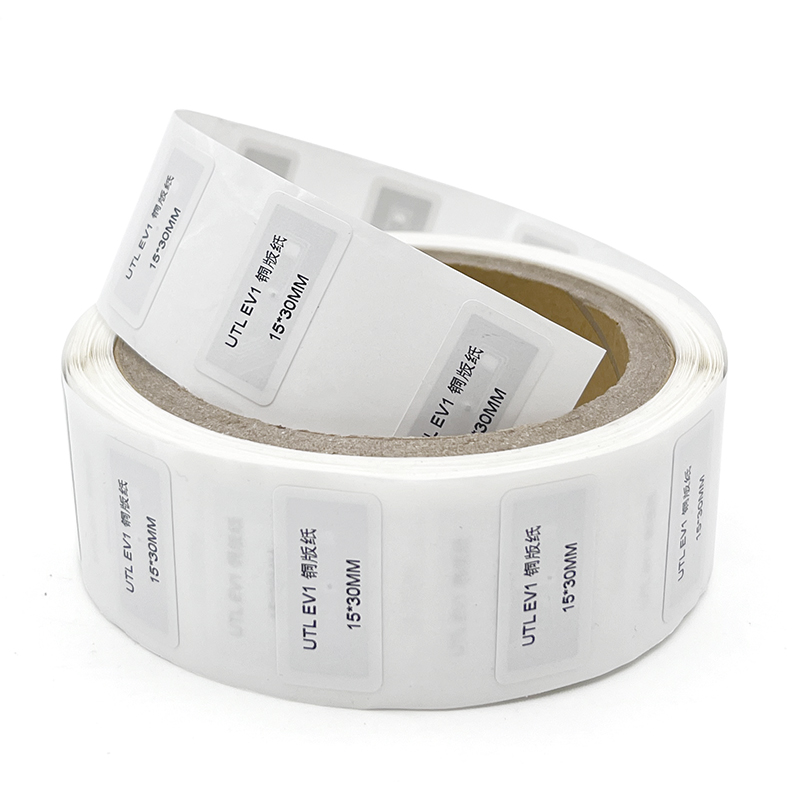
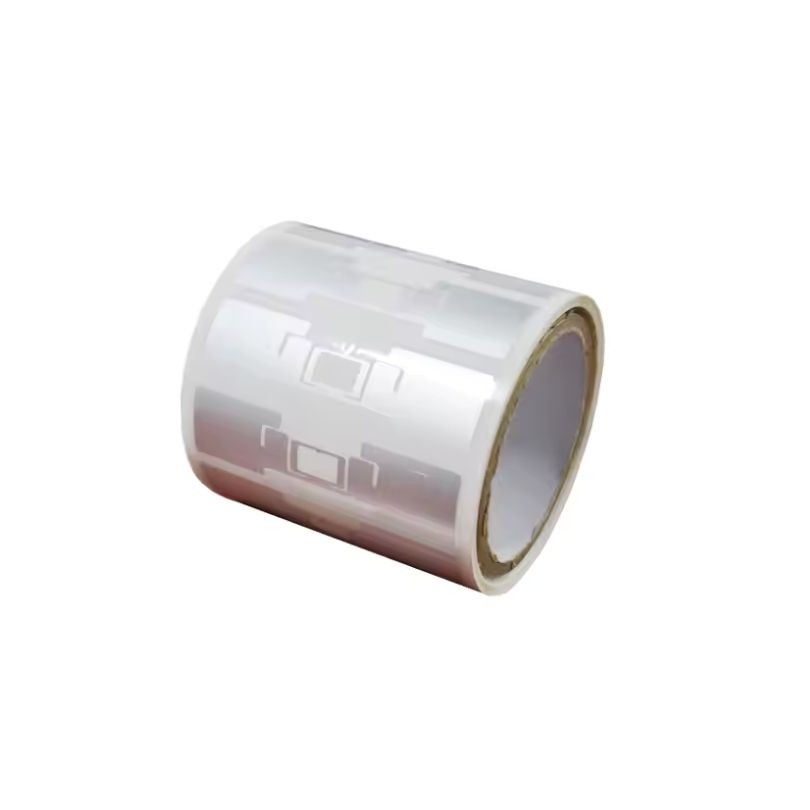
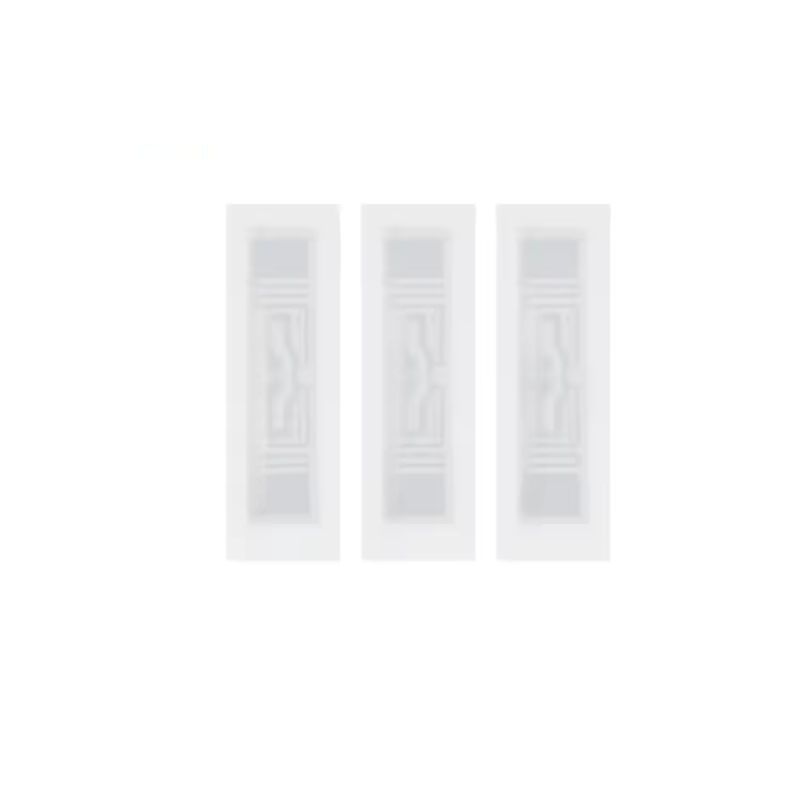
RFID tags for Walmart supplier labeling are passive UHF RFID labels applied to retail products, packaging, hang tags, or cartons for item-level identification.
These Walmart RFID tags use EPC-based encoding and are selected according to the product category, packaging material, ARC specification, tag placement, and encoding requirement.
Our team supplies printable retail RFID tags for suppliers that need custom size, barcode printing, serialization, EPC encoding, and roll-format label supply. Final tag selection should be tested on the actual product packaging before bulk production.
Key Features of Walmart RFID Tags
- Passive UHF RFID Label Format
The tag does not contain a battery. It is powered by the RF field from a compatible UHF RFID reader during scanning. - EPC-Based Item Identification
Each label can be encoded with an EPC or item-level identifier and linked to product records, shipment data, or retail inventory systems. - Custom Inlay and Label Options
Label size, inlay type, face material, adhesive, chip, printing, encoding, and roll format can be selected according to packaging and category requirements.
Technical Specifications
| Feature | Specification |
| Product Type | Walmart RFID tag / retail RFID tag / UHF RFID sticker label |
| RFID Type | Passive UHF RFID |
| Frequency | UHF 860–960 MHz, depending on regional regulations |
| Protocol | EPC UHF Gen2 / ISO/IEC 18000-63 |
| Legacy Naming | EPCglobal Class 1 Gen2 / ISO 18000-6C |
| Common Use | Retail item-level labeling, packaging identification, shipment preparation, and inventory workflows |
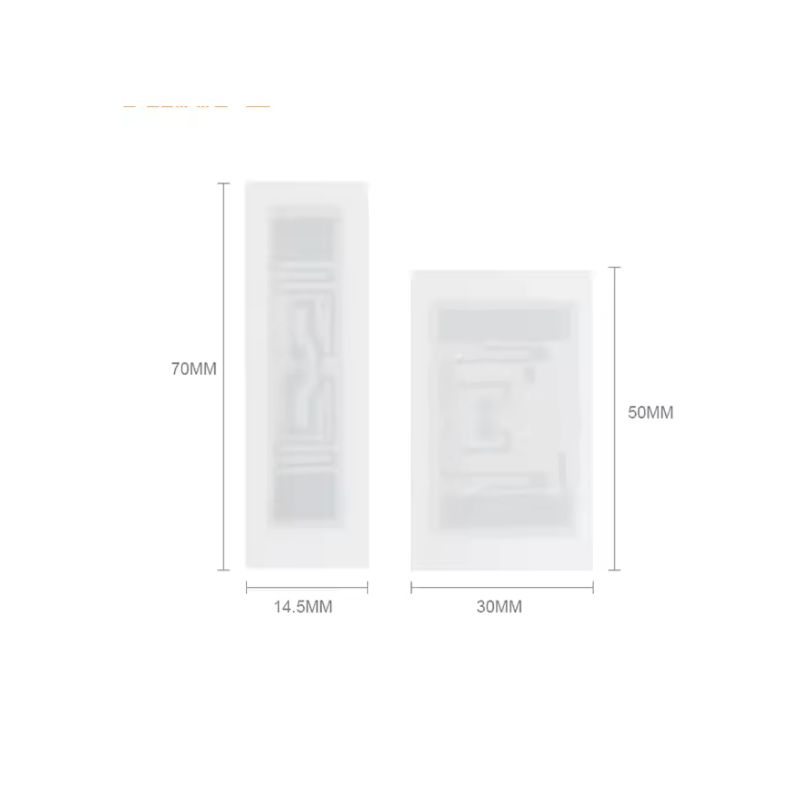
| Example Size | 43 × 18 mm, or custom dimensions according to packaging and inlay requirement |
| Material Options | Paper, PET, PP, coated paper, polymer film, or project-specific printable material |
| Adhesive Options | Permanent, removable, repositionable, or project-specific pressure-sensitive adhesive |
| Chip Options | Impinj, NXP UCODE, Alien Higgs, or project-compatible UHF chips |
| Memory | Depends on selected chip and encoding requirement |
| Read Range | Depends on inlay, reader power, antenna, product material, packaging, tag position, and environment |
| Printing Options | Barcode, QR code, SKU, serial number, logo, product data, or custom artwork |
| Encoding Options | EPC writing, SGTIN encoding, serial matching, TID matching, SKU association, or database mapping |
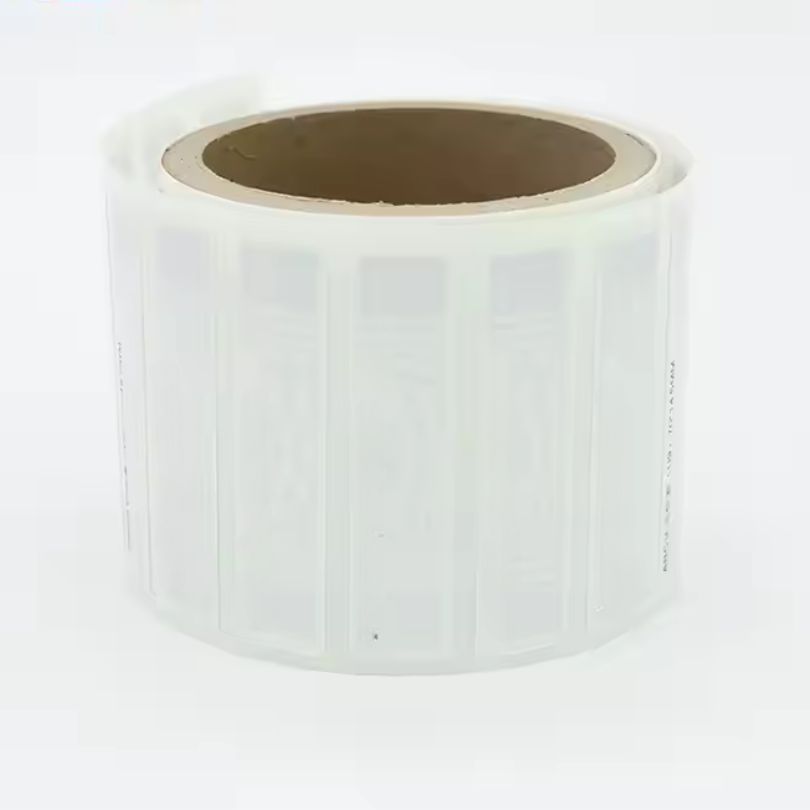
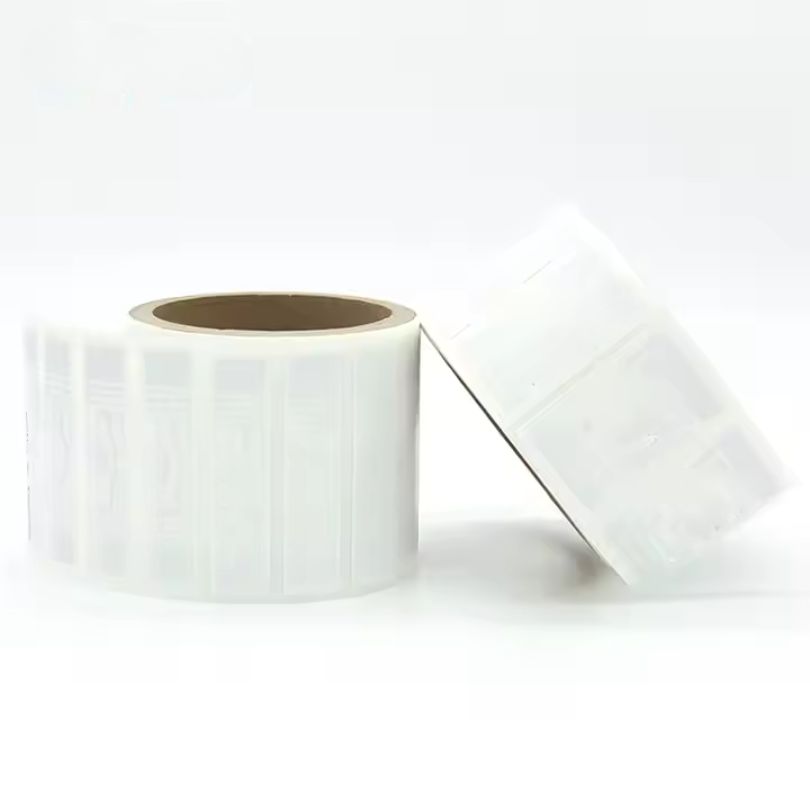
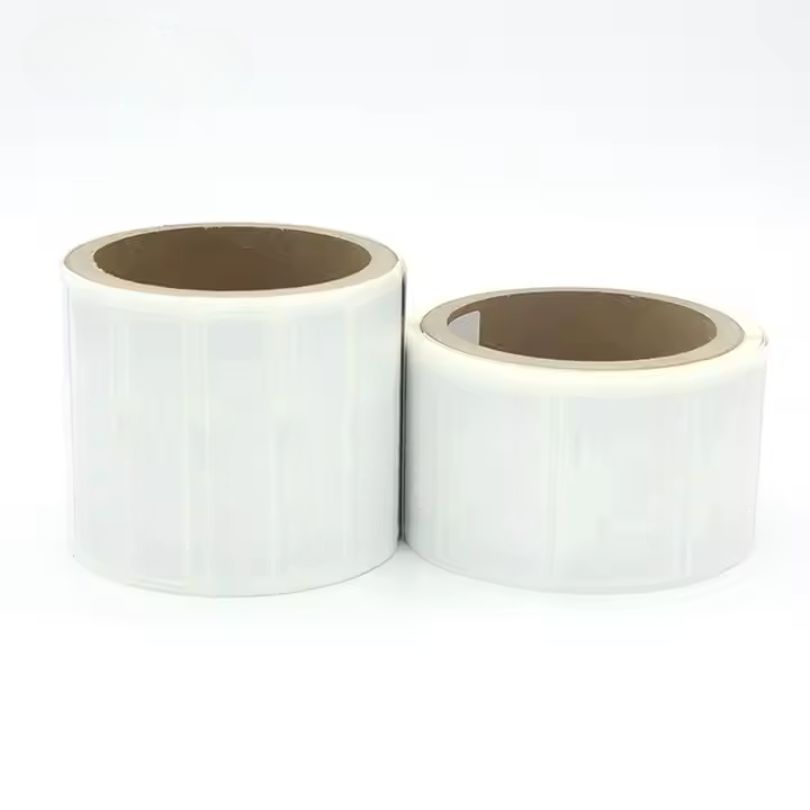
| Supply Format | Roll labels, printed labels, encoded labels, or project-specific packaging |
| Customization | Size, inlay, chip, adhesive, face material, printing, encoding, roll core, and data file matching |
For Walmart supplier projects, confirm the product category, ARC inlay specification, placement rules, and encoding format before mass production.
Typical Applications
- Retail Item-Level Tagging
Retail RFID tags can be applied to eligible products, packaging, hang tags, or labels for item-level identification. - Apparel and Soft Goods
RFID labels or hang tags can support item-level tagging for apparel, accessories, textiles, and softline products when the inlay specification is appropriate. - Boxed and Packaged Goods
Walmart RFID tags can be used on boxes, backer cards, product labels, and packaging surfaces after placement and readability testing. - Warehouse and Shipping Preparation
Suppliers can use encoded RFID labels during packing, carton preparation, shipment verification, and inventory handling.
Walmart RFID Tags and ARC Inlay Selection
Walmart RFID requirements are category-specific. A label that works for one product type may not be suitable for another product category, packaging material, or label position.
ARC inlay specifications help define performance requirements for approved retail inlays. Suppliers should confirm the correct ARC specification and approved inlay list for their department, subcategory, and packaging format before ordering production labels.
A typical supplier workflow includes selecting the correct inlay, printing and encoding the RFID label, testing it on final packaging, and validating readability before bulk application.
Products with liquids, metal packaging, foil, dense materials, or small label areas may need additional testing because these conditions can affect RFID read performance.
Need RFID Tags for Walmart Supplier Labeling?
Use Walmart RFID tags when your retail products require UHF item-level identification, EPC encoding, custom printing, and packaging-specific label validation.
Send the product category, packaging material, label size, required ARC specification, artwork file, encoding format, printer model, and expected quantity. Our specialists can recommend a suitable retail RFID tag structure and prepare samples for printing, encoding, placement, and readability testing.
FAQs – Walmart RFID Stickers & Tags
Are these RFID tags approved for Walmart?
Approval depends on the selected inlay, product category, and current ARC-approved inlay list. Confirm the required specification before ordering production labels.
What data should be encoded on Walmart RFID tags?
Common options include EPC, SGTIN, serial number, SKU-linked identifier, TID matching, or database-associated product data. The exact format should follow the supplier’s data and retailer requirements.
Do these tags work on all packaging materials?
No. RFID performance depends on packaging material, product contents, label position, inlay design, reader setup, and surrounding environment. Liquids, metals, foil, and small items may require special testing.
What information should be confirmed before ordering?
Confirm the product category, packaging material, ARC specification, label size, inlay requirement, printer model, encoding format, artwork file, roll format, and expected quantity.
Get Your Custom RFID Tags
As a leading custom RFID tag manufacturer, we craft solutions based on the unique needs of your operation. We offer a wide range of customization options, including material, size, frequency, encoding, and read distance, ensuring each RFID Tag is perfectly customized to your requirements. No matter what application you use RFID tags for, we can provide rugged, reliable RFID tags that meet the highest quality and durability standards. Here are the main ways we customize RFID tags to fit your needs.

Material Selection
Material is key for customizing RFID tags. Plastic works in harsh conditions, while softer materials suit delicate spaces. Different materials also affect signal performance. Pick what fits your use case to ensure your tags last and work reliably.

Customized Size
Size shapes usability. Small tags fit tight spaces or tiny items, while larger tags are easily read. In crowded areas, sleek tags prevent clashes. Align shape and dimension with your goods for visibility, convenience, and performance.

Frequency Requirements
Choose LF, HF, or UHF based on read range, speed, and interference. LF and HF resist metals and liquids but have shorter ranges. UHF offers an extended range yet may face signal blocks. Match frequency to your environment for reliable performance.

Reading Distance
Define the distance at which you have to read the tag. Short distances work for retail checkouts, while warehouses may need meters of coverage. Antenna design, reader settings, and power outputs affect range.Adjust these factors to capture data accurately at the distance you need.

Encode
Plan how data is stored on each tag. Some only hold an ID, while others contain detailed info. Decide if you need a simple EPC or added user memory. Ensure your chosen format works with existing software. Proper encoding streamlines processes and slashes errors.

Application Environment
Consider real-world conditions. Temperature swings, humidity, and chemicals can degrade tags. For outdoor use, opt for UV-resistant casings. In healthcare or food settings, ensure compliance with safety rules. Matching your tags to the environment maximizes their lifespan.
Related Products
Customize any RFID tags from our factory to meet your requirements.