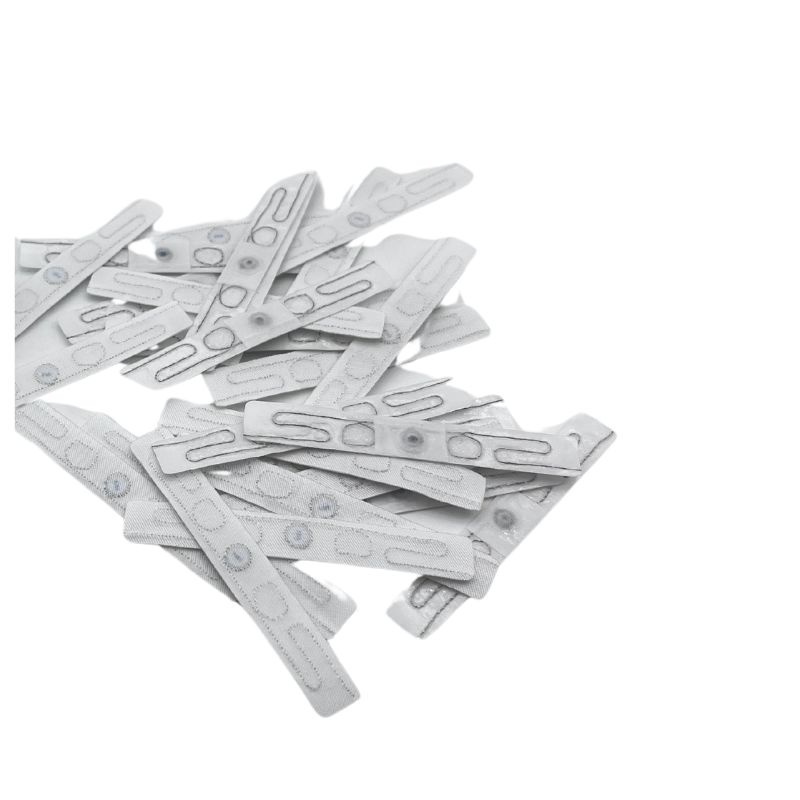
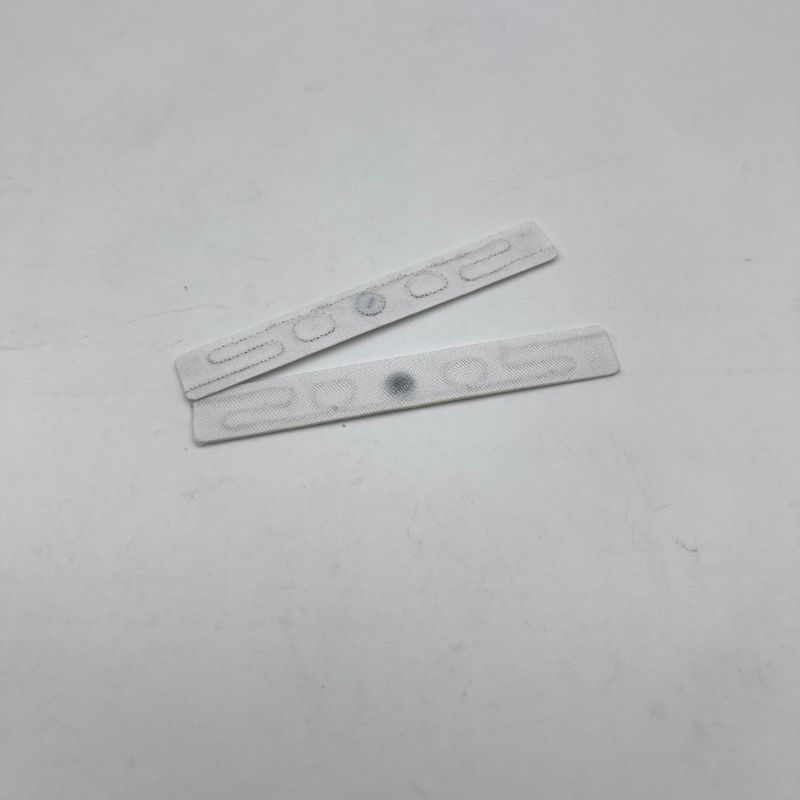
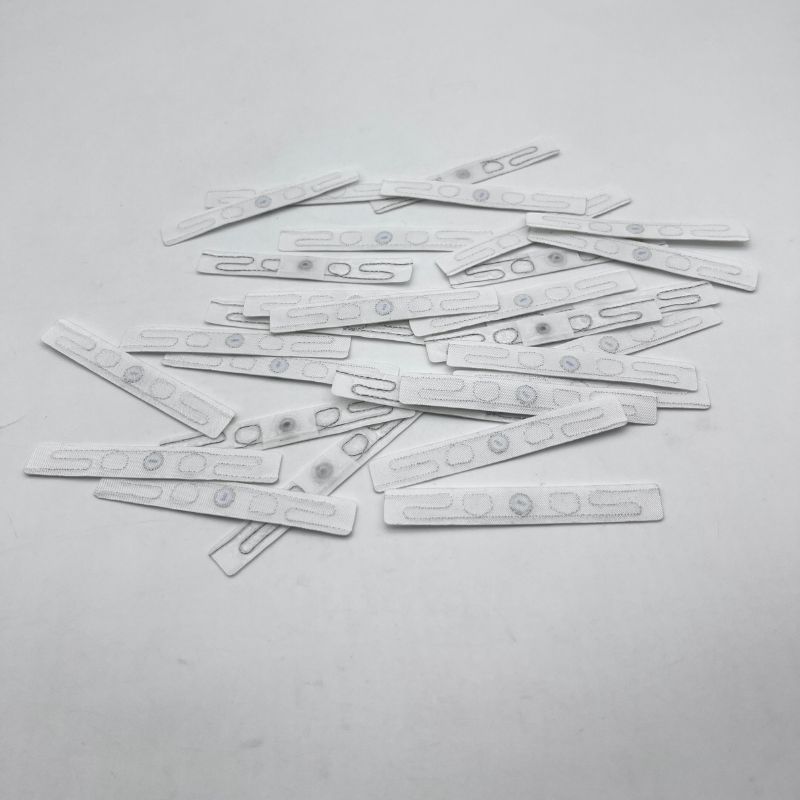
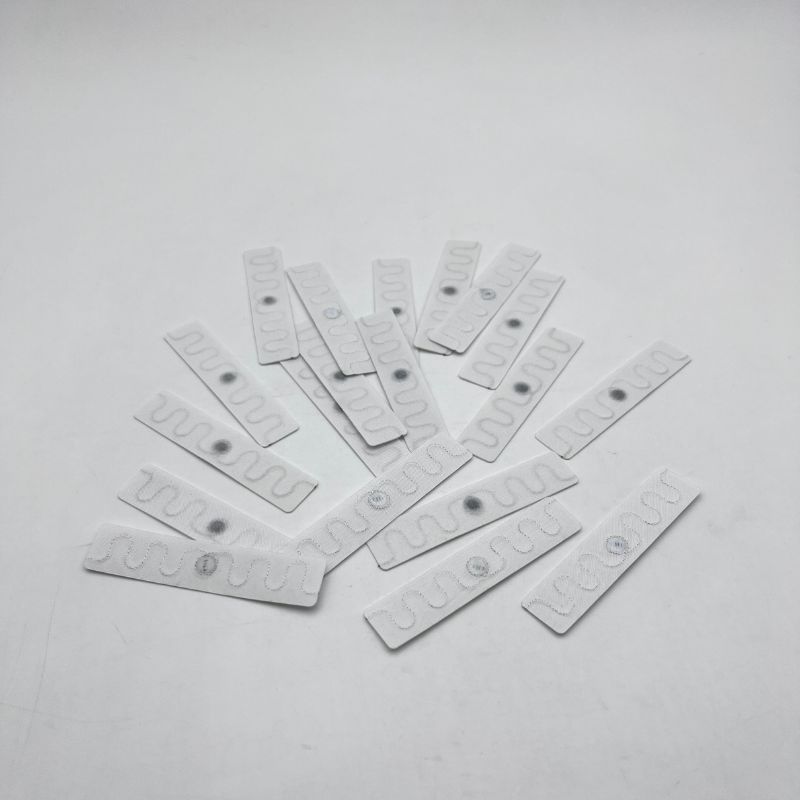
RFID Tags for Garments as UHF Hang Tags

RFID Garment Tags for Apparel Inventory Management

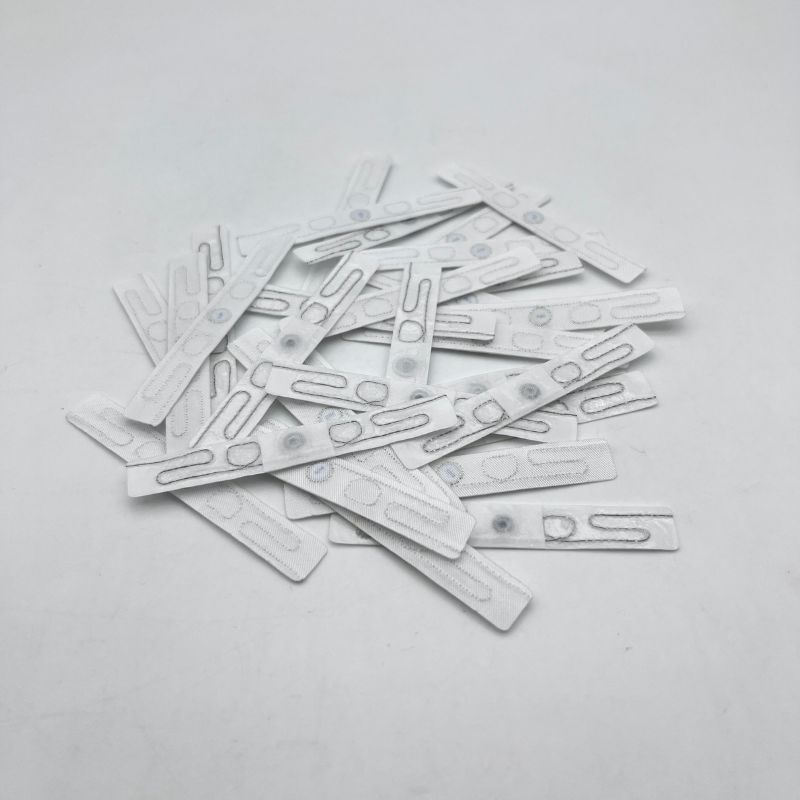
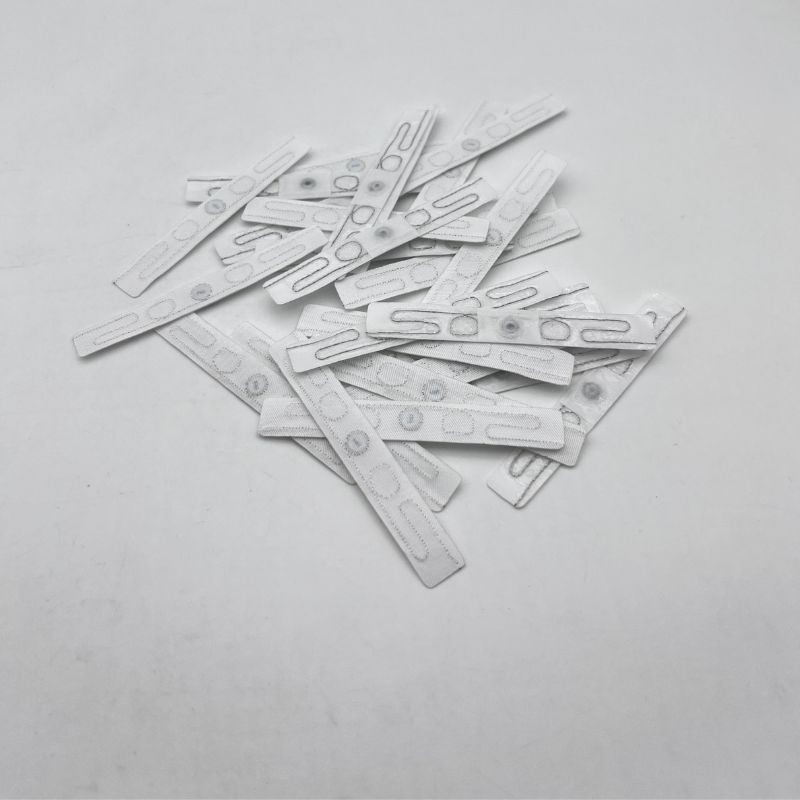
RFID tags for garments are item-level RFID hang tags used to identify clothing products with a unique electronic code.
This product is a UHF RFID garment hang tag designed for retail apparel, brand source tagging, warehouse stock counting, store replenishment, and garment-level inventory visibility.
The tag is attached as a hang tag rather than sewn into the garment, making it suitable for sales, logistics, and retail handling workflows.

Key Features

UHF Item-Level Identification
Each tag carries a unique RFID identity that can be linked to SKU, size, color, batch, serial number, or product database records.
Printable Garment Hang Tag Format
The RFID inlay is integrated into a printable hang tag for brand artwork, barcode, QR code, price, size, care information, or product details.
Batch Reading at RFID Checkpoints
Compatible UHF readers can scan multiple tagged garments in stock rooms, at warehouse gates, at packing stations, or at store inventory points.
Custom Encoding and Printing
RFID garment tags can be supplied with EPC encoding, serial matching, logo printing, barcode printing, or project-specific data association.

Technical Specifications

FeatureSpecification
Product TypeUHF RFID garment hang tag / RFID garment tag
RFID TypePassive UHF RFID
Frequency860–960 MHz
ProtocolEPC Gen2 / ISO 18000-6C compatible
Tag FormatPrinted hang tag with embedded RFID inlay
Material OptionsCoated paper, cardboard, synthetic paper, PET, or custom material by project requirement
Attachment MethodString, loop, pin, garment fastener, or project-specific hang-tag attachment
Printing OptionsLogo, brand artwork, size, price, SKU, barcode, QR code, care information, or custom text
Encoding OptionsEPC encoding, SKU matching, SGTIN, serial number matching, batch ID, or database association
Read RangeProject-dependent; affected by inlay, reader, antenna, garment material, and tag position
Reader OptionsHandheld UHF reader, fixed UHF reader, tunnel reader, or RFID gate reader
Software MatchingERP, WMS, POS, inventory platform, or custom database integration

RFID garment tag performance should be tested with the actual garment type, hang-tag position, reader setup, and software workflow before bulk production.

Typical Applications

  • Apparel Retail Inventory
    Used to count garments by SKU, size, color, and style in retail stores or stock rooms.
  • Brand Source Tagging
    Used by apparel brands or manufacturers to apply RFID identification before products enter the supply chain.
  • Warehouse and Distribution Tracking
    Used during inbound receiving, picking, packing, shipment verification, and store replenishment.
  • Retail Checkout Support
    Used in RFID-enabled checkout or verification workflows when the reader, POS system, and item database are configured together.
  • Returns and Product Verification
    Used to match returned garments with product records, shipment data, or inventory status.

How to Specify RFID Tags for Garments

RequirementWhat to Confirm
Garment TypeShirts, trousers, jackets, shoes, accessories, or mixed apparel
Tag PositionHang tag, neck area, sleeve tag, waistband, packaging, or outer label
Reader SetupHandheld, gate, tunnel, checkout, or warehouse reader
Data FormatEPC, SGTIN, SKU, serial number, batch ID, or custom format
Printing DesignLogo, barcode, QR code, size, price, care text, or brand artwork
Tagging PointFactory tagging, warehouse tagging, or store-level tagging

Sample testing is recommended when garments include metal accessories, folded stacks, dense cartons, or mixed materials.

Retail Stock Count Workflow with RFID Garment Tags

A retailer can attach RFID garment tags to each clothing item before the products reach the store.

Each tag ID is linked to the product SKU, size, color, style, and inventory record.

During a stock count, staff use a handheld UHF reader to scan shelves, racks, or cartons without reading each barcode one by one.

The inventory system compares the scanned tag IDs with the expected stock list and identifies missing, misplaced, or unregistered items.

This workflow is useful when apparel teams need faster garment-level inventory checking across stores, stock rooms, or distribution centers.

RFID Garment Hang Tag vs Sewn-In RFID Laundry Tag

Comparison PointRFID Garment Hang TagSewn-In RFID Laundry Tag
Main PurposeRetail inventory and garment identificationLaundry, linen, and uniform wash-cycle tracking
AttachmentHang tag, string, loop, or fastenerSewn into fabric or heat-sealed
Washing SuitabilityRemoved before use or not intended for repeated washingDesigned for repeated industrial washing
Common UseApparel retail, warehouse, checkout, source taggingHotels, laundries, hospitals, uniforms
Tag MaterialPrinted paper, card, PET, or synthetic labelTextile, silicone, PPS, or washable material
Selection FocusPrinting, EPC encoding, inlay performance, tag positionWash cycles, pressure, chemicals, and heat resistance

Choose RFID garment hang tags when the goal is apparel inventory, source tagging, warehouse tracking, or retail item identification.

Choose sewn-in RFID laundry tags when garments or textiles must be tracked through repeated washing and drying cycles.


Planning RFID Garment Tags for Apparel Inventory?

Start with the garment type, tag position, reader setup, printing artwork, data format, and expected scanning workflow.

Our team can help check suitable inlay options, EPC encoding rules, hang-tag material, printing layout, and sample testing requirements.

Sample testing is recommended before bulk production to verify RFID readability on the actual garment and packaging format.

Frequently Asked Question

What are RFID tags for garments?

RFID tags for garments are RFID hang tags or labels used to identify individual clothing items with a unique electronic code.

No. Standard RFID garment hang tags are not designed for repeated industrial washing. For laundry or uniform wash-cycle tracking, use washable RFID laundry tags.

RFID garment tags can work alongside barcodes. RFID supports contactless scanning, while barcodes remain useful for visual or single-item scanning workflows.

Read performance depends on the RFID inlay, garment material, tag position, reader antenna, software settings, packaging density, and surrounding environment.

Yes. RFID garment tags can be encoded with unique EPC data and matched with SKU, serial number, batch number, or database records.

Get Your Custom RFID Tags

As a leading custom RFID tag manufacturer, we craft solutions based on the unique needs of your operation. We offer a wide range of customization options, including material, size, frequency, encoding, and read distance, ensuring each RFID Tag is perfectly customized to your requirements. No matter what application you use RFID tags for, we can provide rugged, reliable RFID tags that meet the highest quality and durability standards. Here are the main ways we customize RFID tags to fit your needs.

RFID Tags Material

Material Selection

Material is key for customizing RFID tags. Plastic works in harsh conditions, while softer materials suit delicate spaces. Different materials also affect signal performance. Pick what fits your use case to ensure your tags last and work reliably.

rfid tag size

Customized Size

Size shapes usability. Small tags fit tight spaces or tiny items, while larger tags are easily read. In crowded areas, sleek tags prevent clashes. Align shape and dimension with your goods for visibility, convenience, and performance.

RFID Tags Frequency

Frequency Requirements

Choose LF, HF, or UHF based on read range, speed, and interference. LF and HF resist metals and liquids but have shorter ranges. UHF offers an extended range yet may face signal blocks. Match frequency to your environment for reliable performance.

RFID TAGS Reading Distance

Reading Distance

Define the distance at which you have to read the tag. Short distances work for retail checkouts, while warehouses may need meters of coverage. Antenna design, reader settings, and power outputs affect range.Adjust these factors to capture data accurately at the distance you need.

Encoding

Encode

Plan how data is stored on each tag. Some only hold an ID, while others contain detailed info. Decide if you need a simple EPC or added user memory. Ensure your chosen format works with existing software. Proper encoding streamlines processes and slashes errors.

rfid tags application

Application Environment

Consider real-world conditions. Temperature swings, humidity, and chemicals can degrade tags. For outdoor use, opt for UV-resistant casings. In healthcare or food settings, ensure compliance with safety rules. Matching your tags to the environment maximizes their lifespan.
Scroll to Top

InQUIRY NOW

Fill out the form below, and we will be in touch in 20 minutes.

InQUIRY NOW

Fill out the form below, and we will be in touch in 20 minutes.