


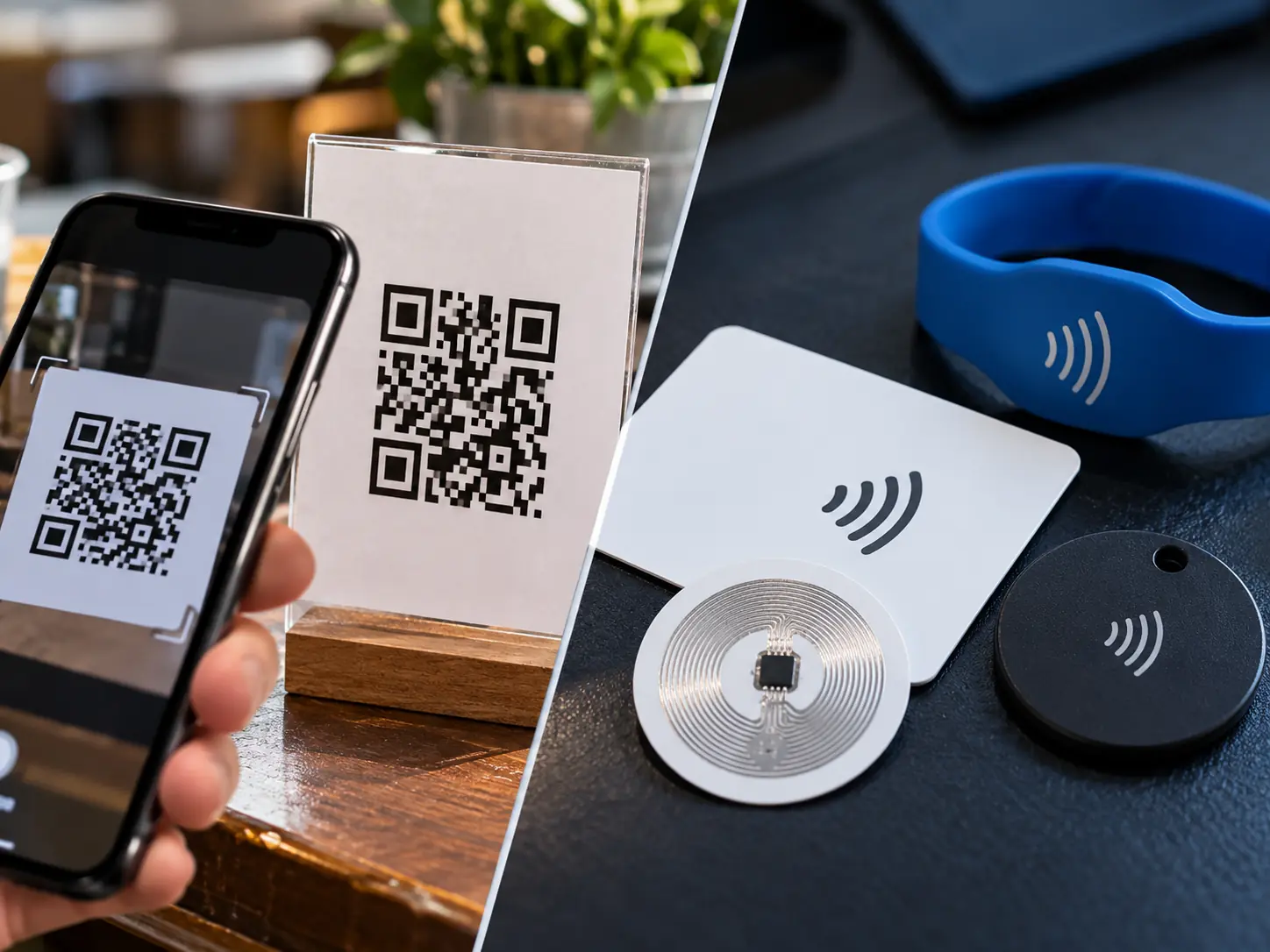
| Data Reading | No line-of-sight needed | Line-of-sight required |
| Read Range | Longer (up to several meters) | Short (typically a few inches) |
| Data Capacity | Higher (can store more information) | Lower (limited to basic product information) |
| Read/Write Capability | Can read and write data multiple times | Read-only (data is fixed at the time of printing) |
| Multiple Tag Reading | Can read multiple tags simultaneously | Can only read one barcode at a time |
| Durability | More durable and can withstand harsh environments | Less durable and can be easily damaged or obscured |
| Cost | The higher initial cost for tags and readers | Lower initial cost for printed labels and basic scanners |
| Use Cases | Inventory management, asset tracking, supply chain, anti-theft | Point of sale, basic inventory tracking, product identification |
| Anti-Theft | Effective with EAS integration, real-time alerts | Limited to visual inspection and manual checks |
| Inventory Accuracy | High accuracy with real-time tracking | Lower accuracy, prone to human error during manual counts |
| Operational Efficiency | Significantly improves efficiency by automating processes | Less efficient, requires manual scanning and data entry |
| Supply Chain Visibility | Provides end-to-end visibility and traceability | Limited visibility, primarily at the point of sale or during transit |
| Customer Experience | Enables faster checkouts, personalized promotions | Basic checkout process, limited customer interaction |
| Data Security | This can include encryption and authentication for secure data transfer | Data is typically not encrypted, susceptible to copying |