




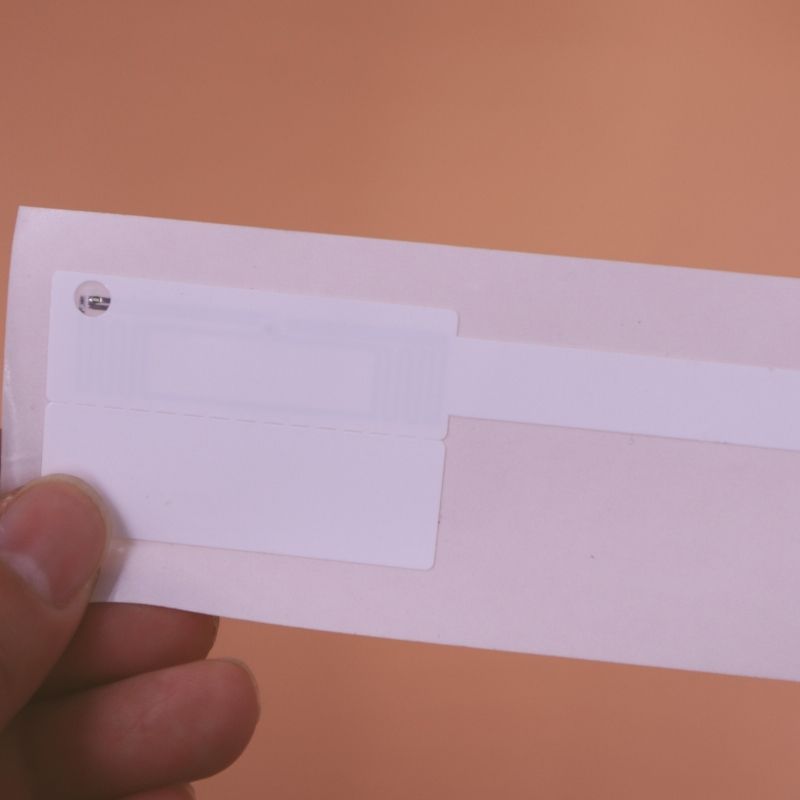
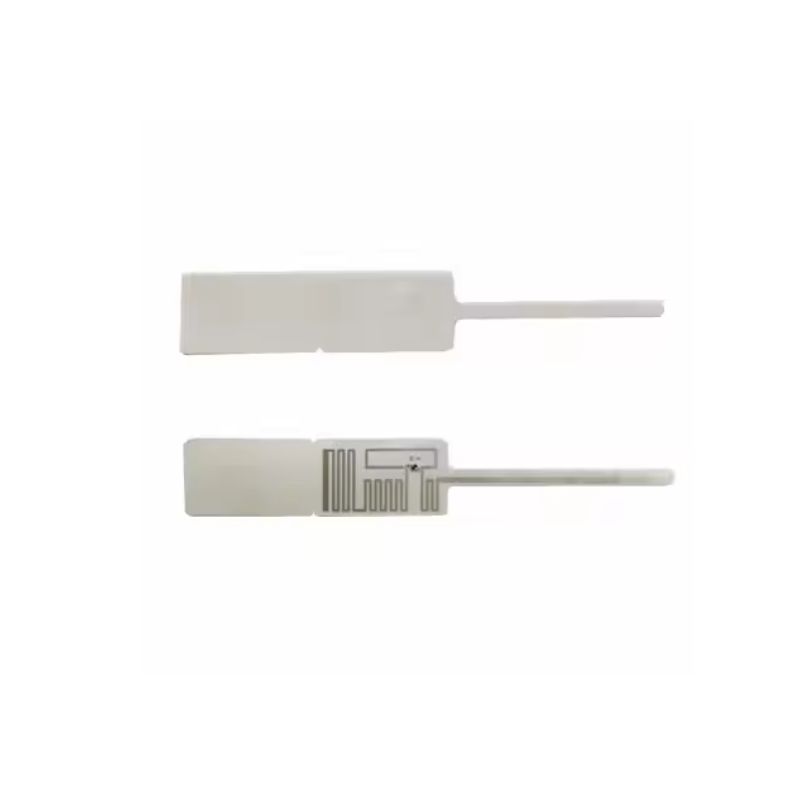
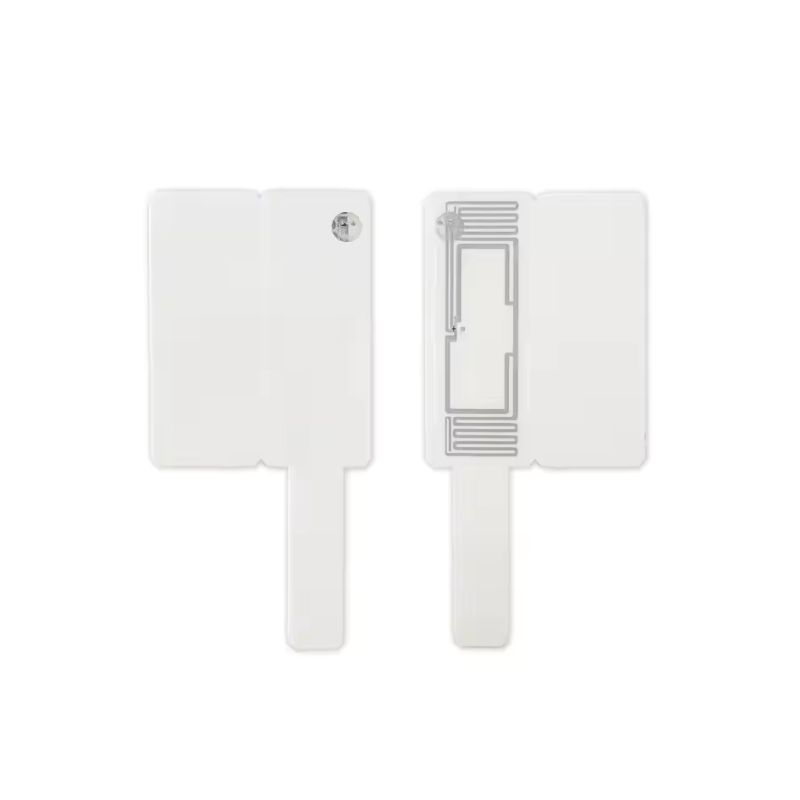




Passive RFID tags are the most affordable option, with prices ranging from a few cents to a couple of dollars per tag for basic UHF tags. Active RFID tags are much more expensive, typically costing $10 to $100 per tag. Semi-passive tags fall in between, with prices ranging from a few dollars to over $20 per tag. The cost of passive RFID tags is significantly lower than that of active tags.
Due to economies of scale and widespread adoption, UHF tags are generally the most cost-effective option for passive RFID systems. LF and HF tags may be necessary for certain specialized applications but are typically more expensive.
Ordering RFID tags in bulk can significantly reduce the cost per tag due to volume discounts offered by manufacturers.
Customization, such as specialized programming, printing, or unique form factors, can add to the tag cost.
The tag material and form factor also impact RFID tag prices, with basic label tags being the most affordable and rugged and specialized tags costing more.
When implementing an RFID system, it’s essential to consider the tag cost and the costs associated with readers, antennas, software, installation, and integration.
Calculating the total cost of ownership (TCO) for an RFID system involves factoring in initial hardware and software costs and ongoing expenses like training, maintenance, tag replacement, and energy consumption.
While RFID systems require an upfront investment, they can deliver significant long-term benefits and cost savings through improved inventory accuracy, increased efficiency, reduced shrinkage, enhanced data accuracy, better asset utilization, and improved supply chain visibility.
Choosing the right RFID tag for your application involves balancing performance requirements, such as read range and durability, with cost considerations.
- A chip, dry inlay, wet inlay, blank RFID label, printed and encoded label, and finished hard tag are different products. Confirm exactly what each supplier quotation includes before comparing prices.
Volume discounts can reduce the unit price, but minimum order quantities, lead times, excess inventory, and the risk of future specification changes should also be considered.
For reusable laundry, container, tool, or asset tags, compare the cost per successful use rather than the purchase price alone.
Test qualified RFID tags on the actual item and in the intended operating environment before placing a large order.
By carefully evaluating your needs, understanding the different types of RFID tags available, and considering the various factors that influence RFID tag cost, you can make an informed decision and select the most cost-effective RFID solution for your business.
Whether you’re looking to implement RFID for inventory management, asset tracking, supply chain visibility, or another application, a well-planned RFID deployment can deliver significant ROI and help your business thrive in today’s competitive landscape. For more insights into how RFID can transform your operations, explore our resources on RFID for retail and custom RFID tags; contact us today to learn more about how we can help you leverage the power of RFID to achieve your business goals.