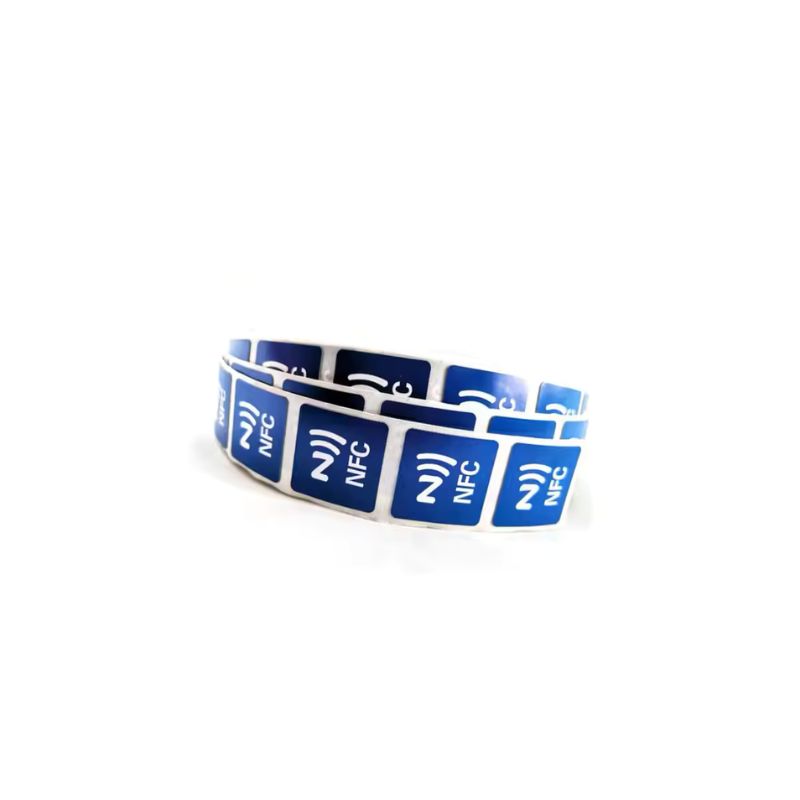
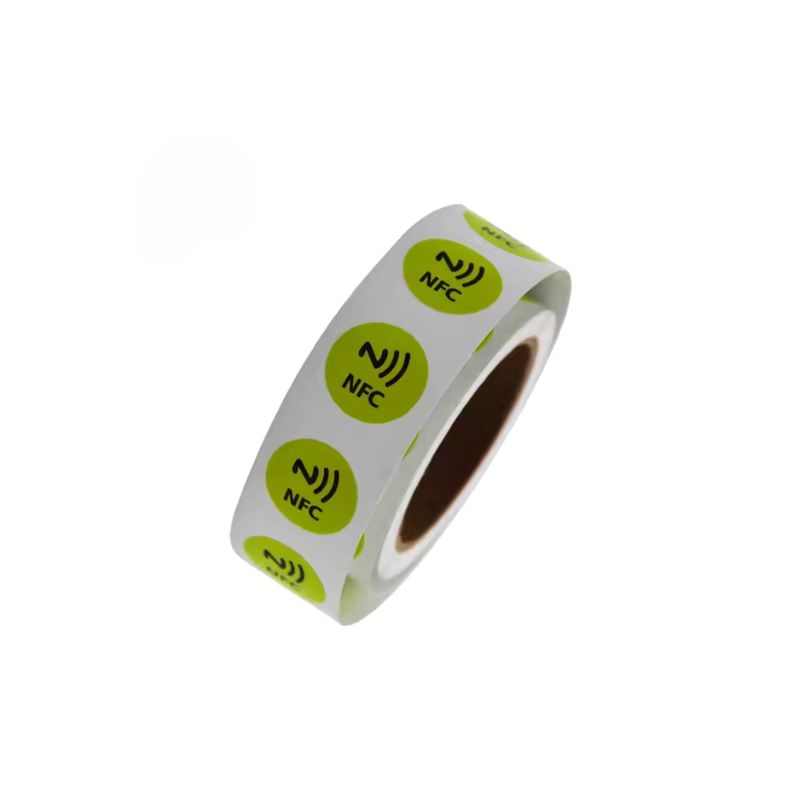
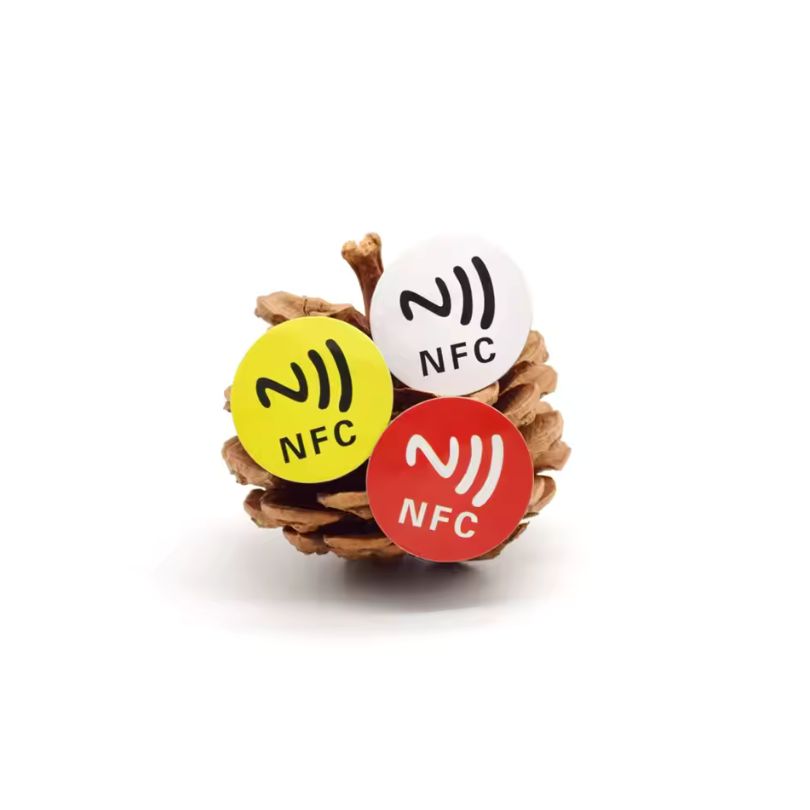
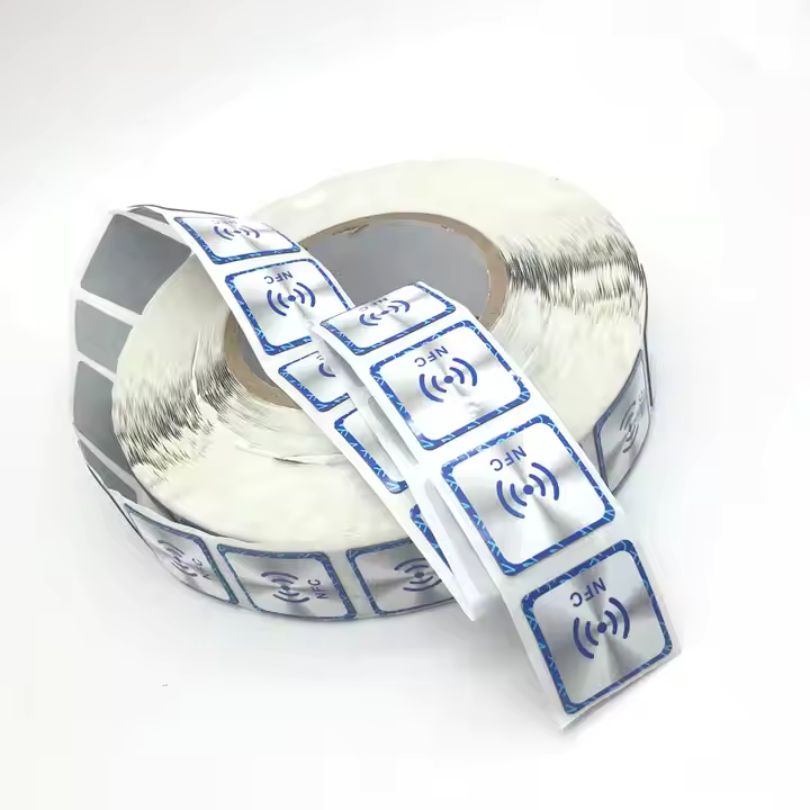
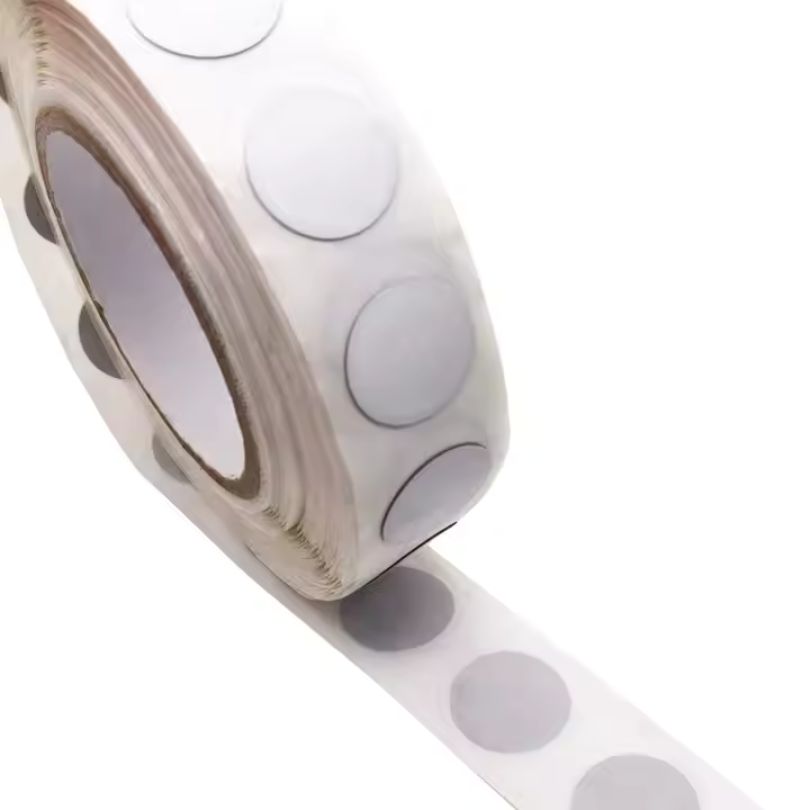
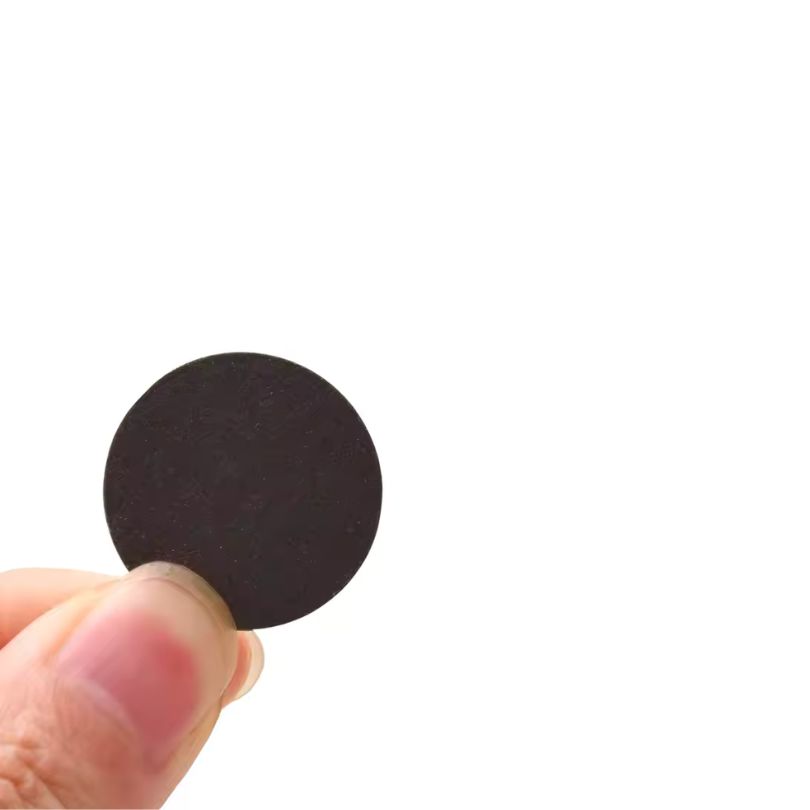
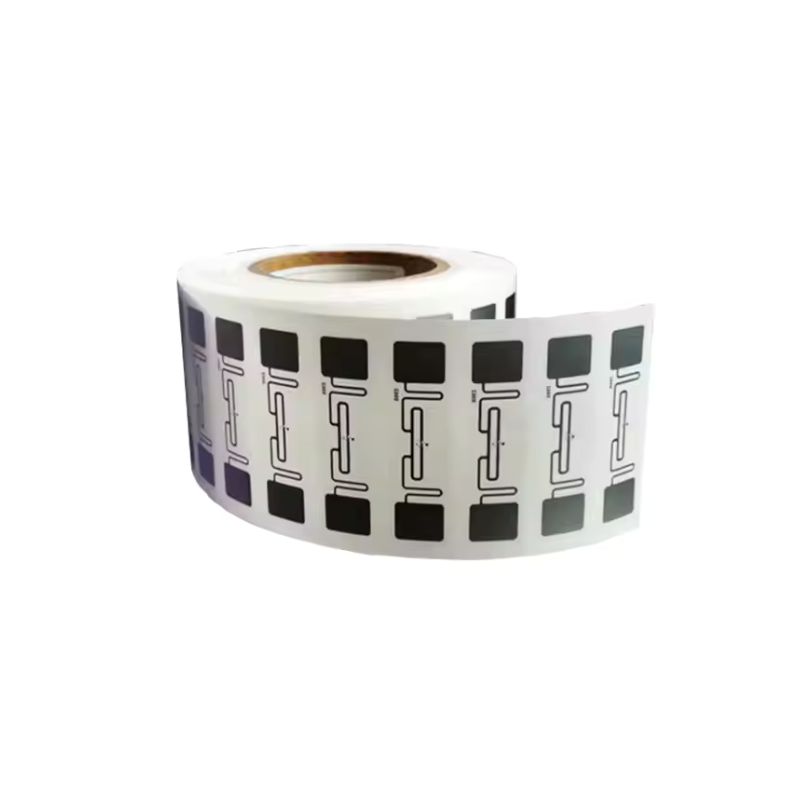
Tamaño personalizado Logotipo Anti-metal Imprimible NFC Etiqueta engomada

Printable On Metal NFC Tags for Tap-Based Identification

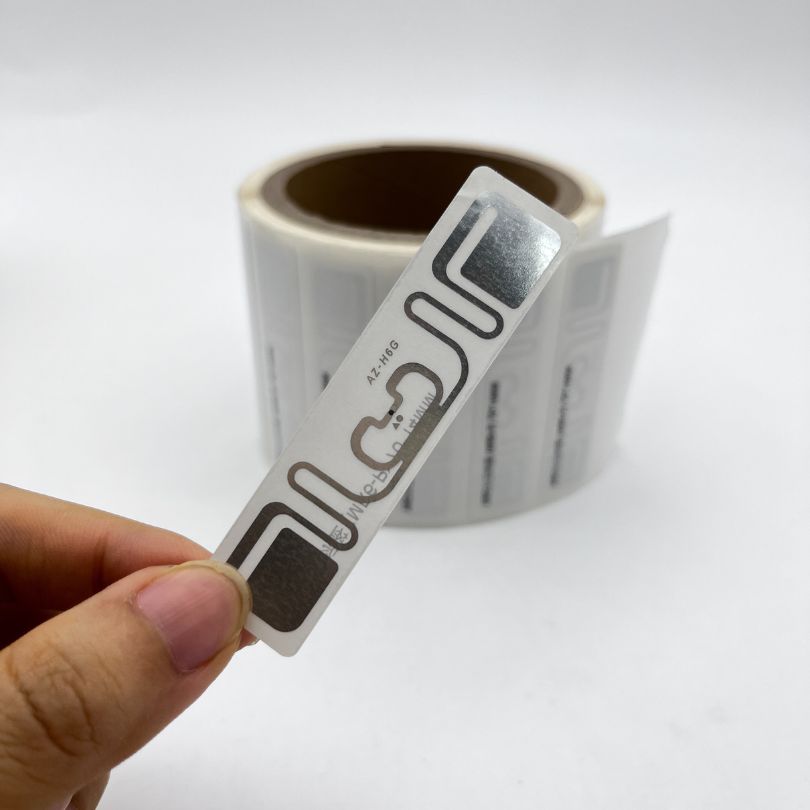
Anti metal NFC tags are NFC sticker tags designed for use on metal surfaces where standard NFC stickers may not read reliably.

An anti-metal NFC tag uses a special backing layer to help reduce metal interference between the NFC antenna and the metal item. This allows the tag to be applied to suitable metal products, equipment, packaging, tools, cases, cabinets, or promotional items.

Our team supplies custom printable on metal NFC tags with selectable chip, size, material, adhesive, logo printing, UID printing, QR code, barcode, and URL encoding options. The final structure should be selected according to the metal surface, phone-reading requirement, chip memory, artwork, and operating environment. applications. These small, adhesive labels embed NFC chips, allowing seamless data transfer and interaction with compatible devices, primarily smartphones. With the advent of customized size and logo anti-metal printable options, the potential of NFC sticker tags has expanded exponentially, offering tailored solutions for an even wider range of applications.

Key Features of Anti Metal NFC Tags

  • Designed for NFC Tags on Metal Surface
    The anti-metal structure helps the NFC tag work when applied to tested metal surfaces, including product shells, tool housings, metal packaging, cabinets, and equipment labels.
  • Short-Range NFC Tap Reading
    The tag operates at 13.56 MHz and is designed for close-range tap interaction with compatible NFC smartphones or NFC readers.
  • Custom Printable Surface
    The visible surface can include a logo, brand design, QR code, barcode, serial number, UID reference, product code, or campaign message.
  • URL and Data Encoding
    ags can be encoded with a website link, social media page, product page, authentication page, text record, UID reference, or database-linked identifier.
  • Multiple Material and Finish Options
    Coated paper, PVC, PET, epoxy, art paper, thermal paper, or project-specific materials can be selected according to durability and appearance requirements.

Especificaciones técnicas

CaracterísticaEspecificación
Tipo de productoAnti metal NFC tag / on metal NFC sticker / printable NFC sticker tag
Tipo RFIDEtiqueta pasiva HF / NFC
Frecuencia13,56 MHz
Common StandardsISO/IEC 14443 Type A or ISO/IEC 15693, depending on chip
Opciones habituales de chipsNTAG213, NTAG215, NTAG216, MIFARE Classic, F08, ICODE, or project-compatible NFC chips
Estructura de etiquetasNFC chip and antenna with anti-metal backing layer
Opciones de materialesCoated paper, PVC, PET, epoxy, art paper, thermal paper, or customized material
Tallas habituales18 × 18 mm, 35 × 35 mm, diameter 26 mm, diameter 30 mm, or customized size
Distancia de lecturaUsually short range; depends on chip, antenna, phone model, tag size, metal surface, and placement
Opciones de impresiónLogo printing, UID printing, QR code, barcode, serial number, product code, or custom artwork
Opciones de codificaciónURL, NDEF record, UID matching, text record, product ID, membership ID, or database association
Surface UseTested metal surfaces, product shells, tools, equipment, packaging, cabinets, and promotional items
Opciones adhesivasStandard adhesive or project-specific adhesive for the target surface
Opciones de acabadoGlossy, matte, transparent, epoxy, waterproof-facing option, or project-specific finish
PersonalizaciónSize, shape, chip, material, artwork, adhesive, encoding, QR code, barcode, and packaging

Sample testing is recommended before bulk production because NFC reading on metal depends on the anti-metal structure, tag size, chip, phone model, adhesive surface, and final installation position.

Aplicaciones típicas

  • Metal Product Identification
    Anti metal NFC tags can be applied to suitable metal product surfaces to open product pages, manuals, service records, or registration forms.
  • Tool and Equipment Labels
    On metal NFC tags can support tap-based identification for tools, machines, cabinets, cases, instruments, and service equipment.
  • Smart Packaging and Brand Interaction
    Brands can use printable NFC stickers on metal packaging, gift boxes, tins, bottles, or promotional items to connect customers to digital content.
  • Product Authentication Support
    NFC tags can link to authentication pages, serial-number lookup pages, or product verification workflows when connected to a suitable backend system.
  • Asset and Maintenance Records
    NFC tags on metal surface can help staff open maintenance records, inspection forms, asset pages, or internal equipment data with a smartphone tap.

Which NFC Chip Should You Choose?

Tipo de chipUso adecuadoBuyer Note
NTAG213Short URLs, basic product links, campaign pages, and simple NDEF recordsCommon choice for standard smartphone tap projects
NTAG215Larger NDEF records or projects needing more memory than NTAG213Useful when encoded content is longer
NTAG216Higher-memory NFC applications and longer data recordsSuitable when more user memory is required
MIFARE Classic / F08Existing closed-loop systems using compatible readersConfirm system compatibility before ordering
ICODE / ISO15693 OptionProject-specific HF/NFC reader applicationsConfirm phone and reader compatibility before production

For most smartphone-based NFC sticker projects, NTAG chips are commonly selected. For access, authentication, membership, or industrial identification projects, the chip should be confirmed according to the reader, software, security requirement, and data format.


How Brands Use On Metal NFC Tags for Product Interaction

A brand can apply anti metal NFC tags to a metal product, metal package, equipment label, promotional item, or display sample.

Each NFC tag is printed with brand artwork and encoded with a product URL, digital manual, registration page, authentication page, or service record link.

When a user taps the tag with a compatible NFC smartphone, the encoded content opens. The landing page can show product details, care instructions, warranty registration, campaign content, or after-sales information.

Before production, sample tags should be tested on the actual metal surface, final label position, phone models, artwork layout, adhesive, and encoded


Need Custom Anti Metal NFC Tags for Metal Products?

Use anti metal NFC tags when your project requires tap-based NFC interaction on metal products, equipment, tools, packaging, or promotional items.

Send the metal surface type, tag size, artwork file, chip preference, encoded URL or data format, adhesive requirement, and expected quantity. Our specialists can recommend a suitable on-metal NFC tag structure and prepare samples for phone-reading, printing, encoding, and adhesion testing.

Preguntas frecuentes

an anti metal NFC tags be used for payments?

An NFC tag can open a payment page or app link, but it does not process secure payments by itself. Payment use requires a secure payment platform, compatible system, and proper authentication.

Waterproof or weather-resistant performance depends on the tag material, surface finish, sealing method, adhesive, and installation environment.

Confirm the tag size, metal surface, chip type, reading phone or reader, artwork file, encoded URL or data, adhesive requirement, finishing method, and order quantity.

Obtenga sus etiquetas RFID personalizadas

Como fabricante líder de etiquetas RFID personalizadas, creamos soluciones basadas en las necesidades únicas de su operación. Ofrecemos una amplia gama de opciones de personalización, que incluyen material, tamaño, frecuencia, codificación y distancia de lectura, lo que garantiza que cada etiqueta RFID se personalice perfectamente según sus requisitos. Sin importar para qué aplicación utilice las etiquetas RFID, podemos proporcionar etiquetas RFID resistentes y confiables que cumplan con los más altos estándares de calidad y durabilidad. Estas son las principales formas en que personalizamos las etiquetas RFID para satisfacer sus necesidades.

Material de las etiquetas RFID

Selección de materiales

El material es clave para personalizar las etiquetas RFID. El plástico funciona en condiciones duras, mientras que los materiales más blandos son adecuados para espacios delicados. Los distintos materiales también afectan el rendimiento de la señal. Elija lo que se adapte a su caso de uso para garantizar que sus etiquetas duren y funcionen de manera confiable.

tamaño de etiqueta rfid

Tamaño personalizado

El tamaño determina la usabilidad. Las etiquetas pequeñas se adaptan a espacios reducidos o artículos pequeños, mientras que las etiquetas más grandes se leen fácilmente. En áreas concurridas, las etiquetas elegantes evitan los desajustes. Adapte la forma y la dimensión a sus productos para lograr visibilidad, comodidad y rendimiento.

Frecuencia de las etiquetas RFID

Requisitos de frecuencia

Elija LF, HF o UHF en función del rango de lectura, la velocidad y la interferencia. LF y HF resisten metales y líquidos, pero tienen rangos más cortos. UHF ofrece un rango extendido, pero puede enfrentar bloqueos de señal. Adapte la frecuencia a su entorno para un rendimiento confiable.

Distancia de lectura de etiquetas RFID

Distancia de lectura

Define la distancia a la que debes leer la etiqueta. Las distancias cortas son adecuadas para las cajas registradoras de los comercios, mientras que los almacenes pueden necesitar metros de cobertura. El diseño de la antena, la configuración del lector y las salidas de potencia afectan el alcance. Ajusta estos factores para capturar datos con precisión a la distancia que necesitas.

Codificación

Codificar

Planifique cómo se almacenan los datos en cada etiqueta. Algunas solo contienen un ID, mientras que otras contienen información detallada. Decida si necesita un EPC simple o memoria de usuario adicional. Asegúrese de que el formato elegido funcione con el software existente. La codificación adecuada agiliza los procesos y reduce los errores.

Aplicación de etiquetas RFID

Entorno de aplicación

Tenga en cuenta las condiciones del mundo real. Los cambios bruscos de temperatura, la humedad y los productos químicos pueden degradar las etiquetas. Para uso en exteriores, opte por carcasas resistentes a los rayos UV. En entornos de atención sanitaria o alimentarios, asegúrese de cumplir con las normas de seguridad. Adaptar las etiquetas al entorno maximiza su vida útil.

Scroll al inicio

CONSULTE AHORA

Complete el formulario a continuación y nos comunicaremos con usted en 20 minutos.

CONSULTE AHORA

Complete el formulario a continuación y nos comunicaremos con usted en 20 minutos.