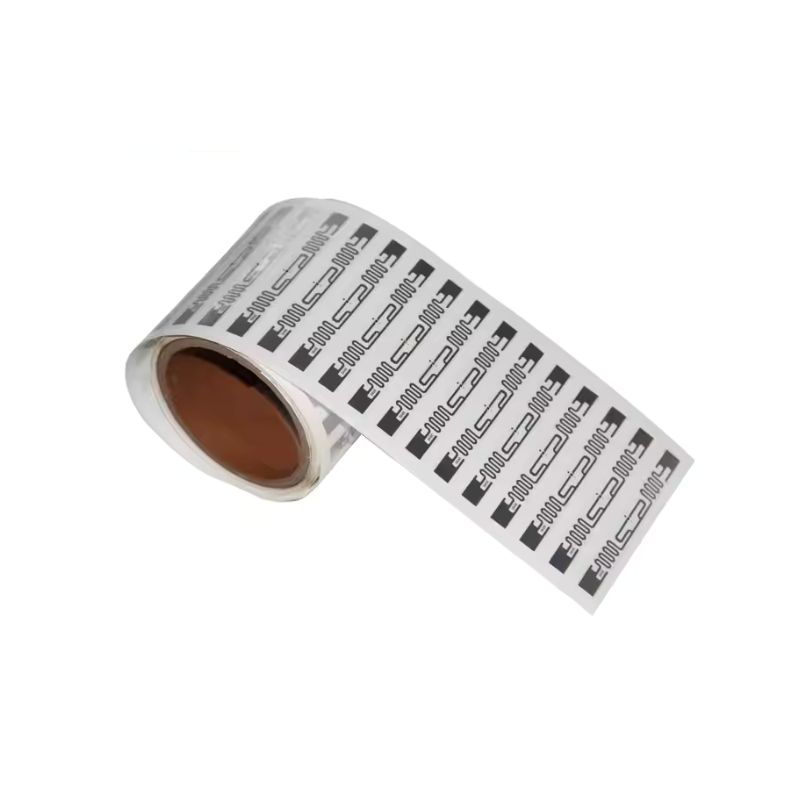
Taille personnalisée Logo Anti-métal Imprimable NFC Sticker Tag
Printable On Metal NFC Tags for Tap-Based Identification
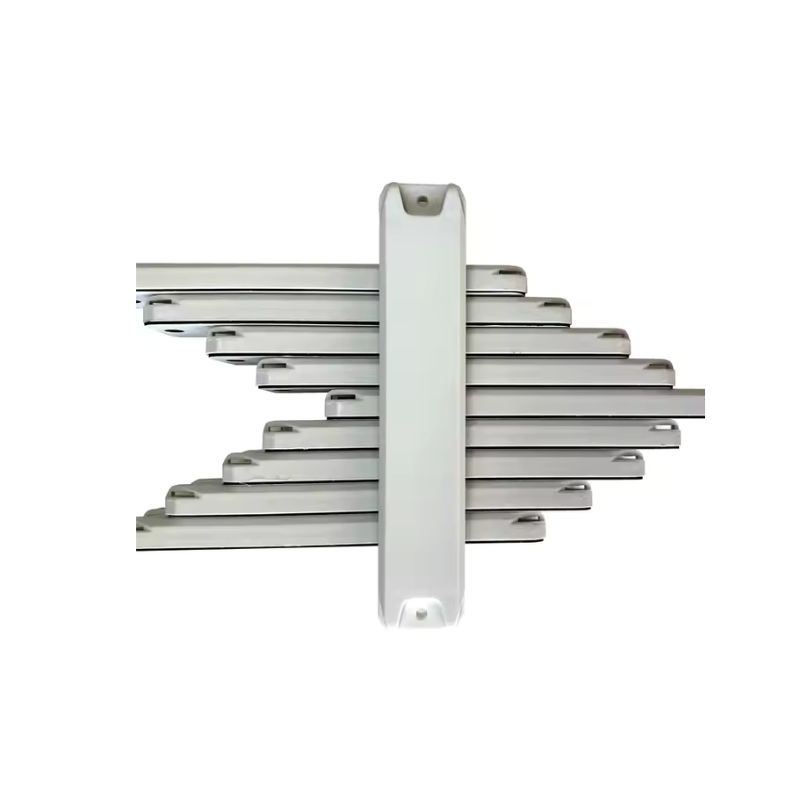
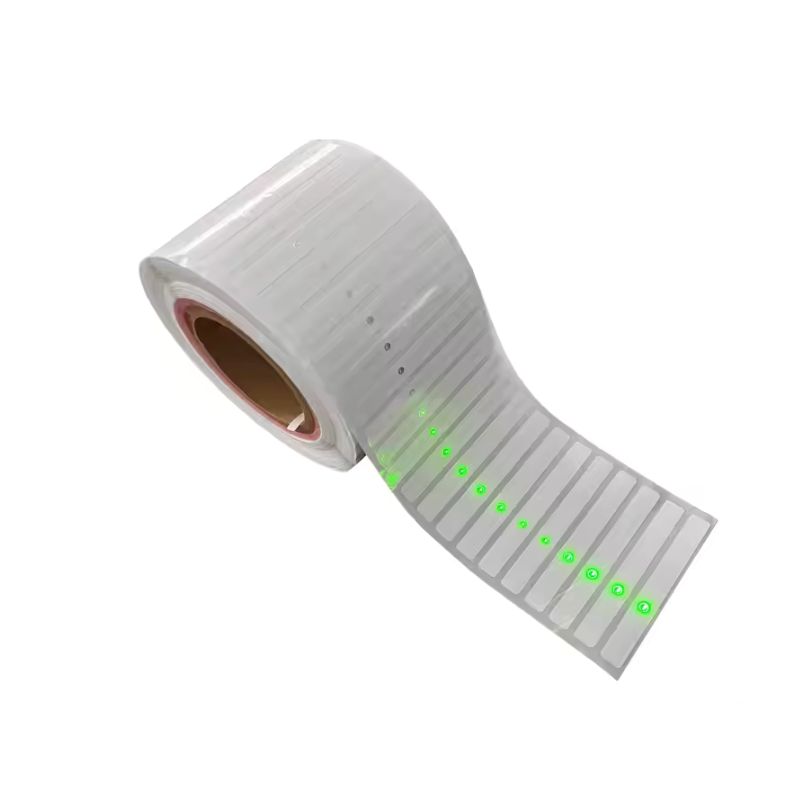
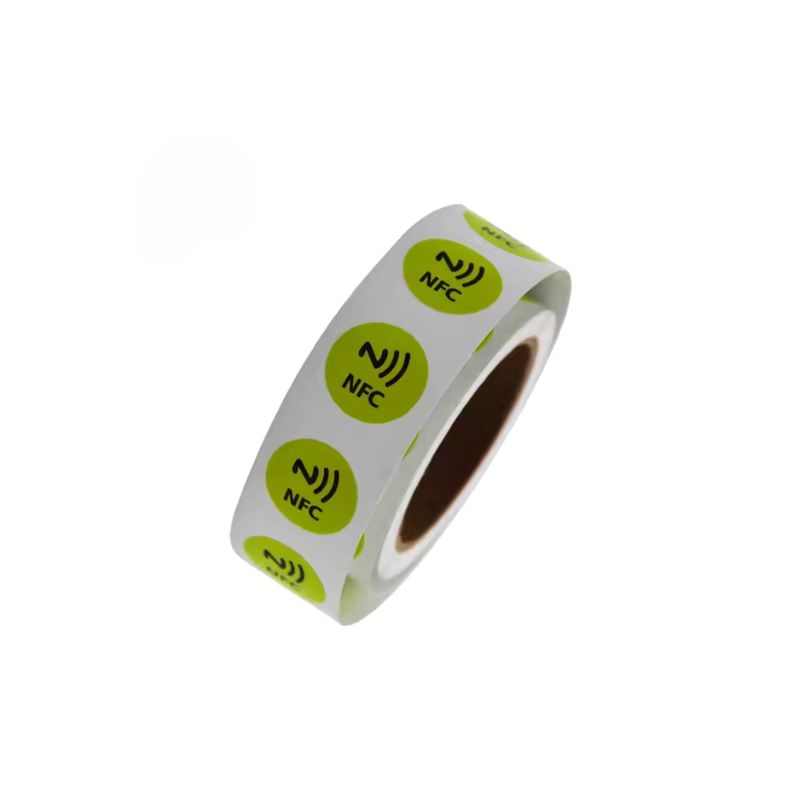
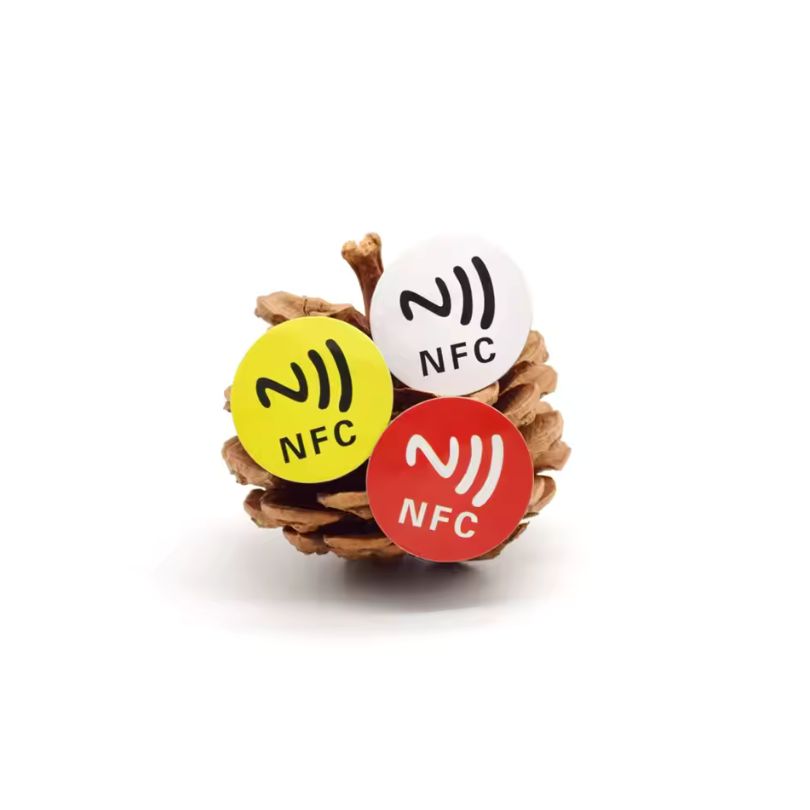
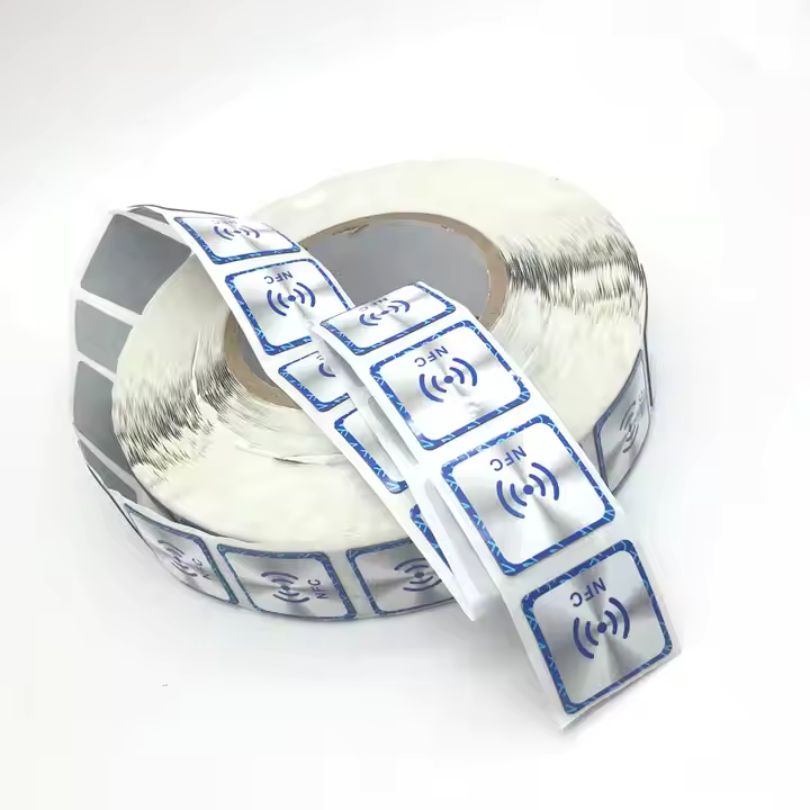
Anti metal NFC tags are NFC sticker tags designed for use on metal surfaces where standard NFC stickers may not read reliably.
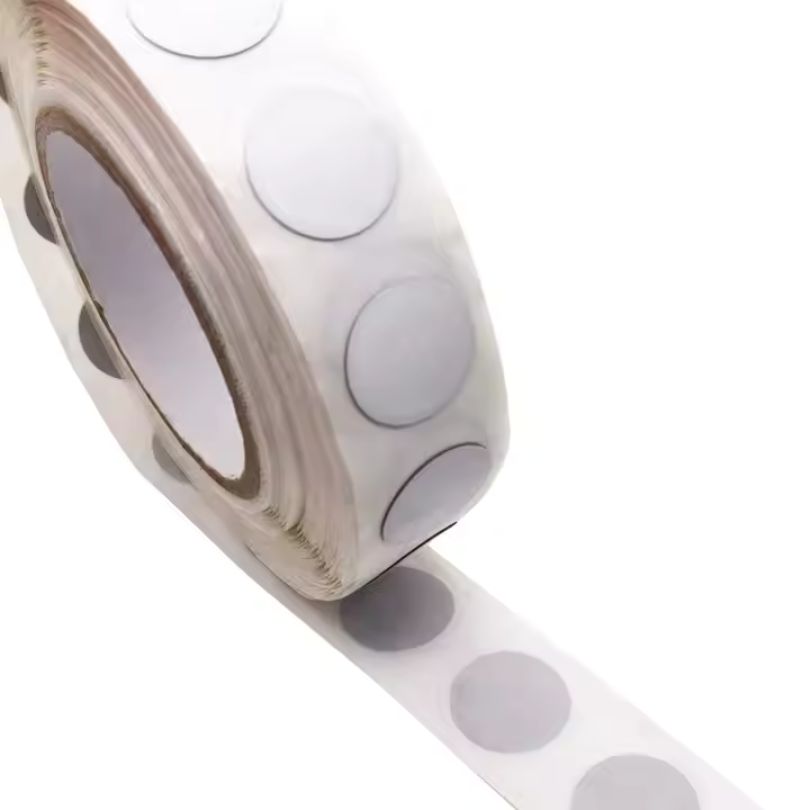
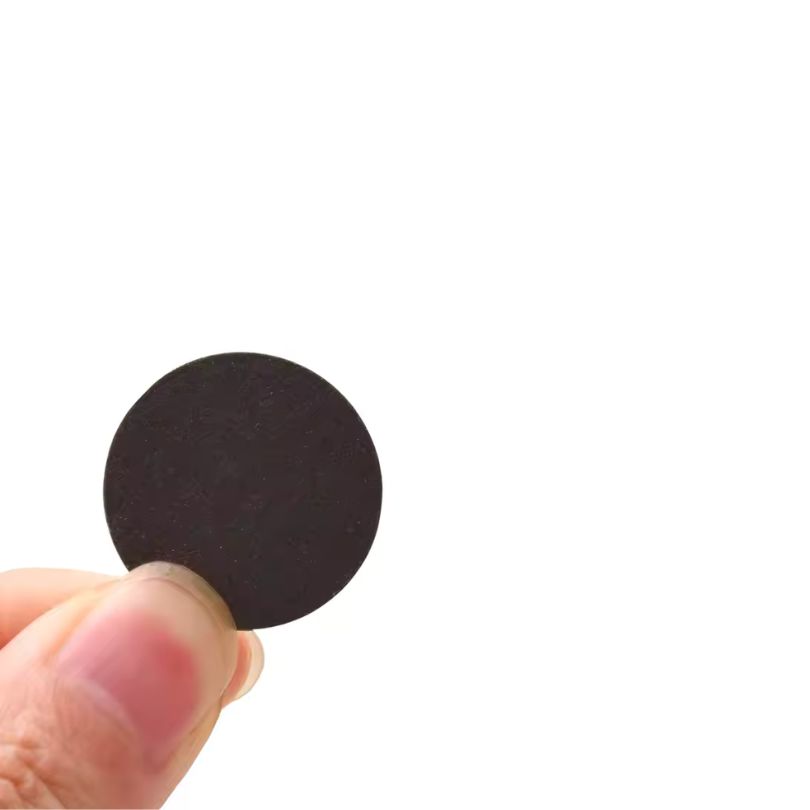
An anti-metal NFC tag uses a special backing layer to help reduce metal interference between the NFC antenna and the metal item. This allows the tag to be applied to suitable metal products, equipment, packaging, tools, cases, cabinets, or promotional items.
Our team supplies custom printable on metal NFC tags with selectable chip, size, material, adhesive, logo printing, UID printing, QR code, barcode, and URL encoding options. The final structure should be selected according to the metal surface, phone-reading requirement, chip memory, artwork, and operating environment. applications. These small, adhesive labels embed NFC chips, allowing seamless data transfer and interaction with compatible devices, primarily smartphones. With the advent of customized size and logo anti-metal printable options, the potential of NFC sticker tags has expanded exponentially, offering tailored solutions for an even wider range of applications.
Key Features of Anti Metal NFC Tags
- Designed for NFC Tags on Metal Surface
The anti-metal structure helps the NFC tag work when applied to tested metal surfaces, including product shells, tool housings, metal packaging, cabinets, and equipment labels. - Short-Range NFC Tap Reading
The tag operates at 13.56 MHz and is designed for close-range tap interaction with compatible NFC smartphones or NFC readers. - Custom Printable Surface
The visible surface can include a logo, brand design, QR code, barcode, serial number, UID reference, product code, or campaign message. - URL and Data Encoding
ags can be encoded with a website link, social media page, product page, authentication page, text record, UID reference, or database-linked identifier. - Multiple Material and Finish Options
Coated paper, PVC, PET, epoxy, art paper, thermal paper, or project-specific materials can be selected according to durability and appearance requirements.
Spécifications techniques
| Fonctionnalité | Spécification |
| Type de produit | Anti metal NFC tag / on metal NFC sticker / printable NFC sticker tag |
| Type de RFID | Étiquette passive HF / NFC |
| Fréquence | 13,56 MHz |
| Common Standards | ISO/IEC 14443 Type A or ISO/IEC 15693, depending on chip |
| Options courantes de puces | NTAG213, NTAG215, NTAG216, MIFARE Classic, F08, ICODE, or project-compatible NFC chips |
| Structure des balises | NFC chip and antenna with anti-metal backing layer |
| Options de matériaux | Coated paper, PVC, PET, epoxy, art paper, thermal paper, or customized material |
| Tailles courantes | 18 × 18 mm, 35 × 35 mm, diameter 26 mm, diameter 30 mm, or customized size |
| Distance de lecture | Usually short range; depends on chip, antenna, phone model, tag size, metal surface, and placement |
| Options d'impression | Logo printing, UID printing, QR code, barcode, serial number, product code, or custom artwork |
| Options d'encodage | URL, NDEF record, UID matching, text record, product ID, membership ID, or database association |
| Surface Use | Tested metal surfaces, product shells, tools, equipment, packaging, cabinets, and promotional items |
| Options adhésives | Standard adhesive or project-specific adhesive for the target surface |
| Options de finition | Glossy, matte, transparent, epoxy, waterproof-facing option, or project-specific finish |
| Personnalisation | Size, shape, chip, material, artwork, adhesive, encoding, QR code, barcode, and packaging |
Sample testing is recommended before bulk production because NFC reading on metal depends on the anti-metal structure, tag size, chip, phone model, adhesive surface, and final installation position.
Applications typiques
- Metal Product Identification
Anti metal NFC tags can be applied to suitable metal product surfaces to open product pages, manuals, service records, or registration forms. - Tool and Equipment Labels
On metal NFC tags can support tap-based identification for tools, machines, cabinets, cases, instruments, and service equipment. - Smart Packaging and Brand Interaction
Brands can use printable NFC stickers on metal packaging, gift boxes, tins, bottles, or promotional items to connect customers to digital content. - Product Authentication Support
NFC tags can link to authentication pages, serial-number lookup pages, or product verification workflows when connected to a suitable backend system. - Asset and Maintenance Records
NFC tags on metal surface can help staff open maintenance records, inspection forms, asset pages, or internal equipment data with a smartphone tap.
Quelle puce NFC choisir ?
| Type de puce | Utilisation prévue | Remarque à l'attention de l'acheteur |
| NTAG213 | Short URLs, basic product links, campaign pages, and simple NDEF records | Common choice for standard smartphone tap projects |
| NTAG215 | Larger NDEF records or projects needing more memory than NTAG213 | Useful when encoded content is longer |
| NTAG216 | Higher-memory NFC applications and longer data records | À utiliser lorsque davantage de mémoire utilisateur est nécessaire |
| MIFARE Classic / F08 | Systèmes en boucle fermée existants utilisant des lecteurs compatibles | Confirm system compatibility before ordering |
| ICODE / ISO15693 Option | Project-specific HF/NFC reader applications | Confirm phone and reader compatibility before production |
For most smartphone-based NFC sticker projects, NTAG chips are commonly selected. For access, authentication, membership, or industrial identification projects, the chip should be confirmed according to the reader, software, security requirement, and data format.
How Brands Use On Metal NFC Tags for Product Interaction
A brand can apply anti metal NFC tags to a metal product, metal package, equipment label, promotional item, or display sample.
Each NFC tag is printed with brand artwork and encoded with a product URL, digital manual, registration page, authentication page, or service record link.
When a user taps the tag with a compatible NFC smartphone, the encoded content opens. The landing page can show product details, care instructions, warranty registration, campaign content, or after-sales information.
Before production, sample tags should be tested on the actual metal surface, final label position, phone models, artwork layout, adhesive, and encoded
Need Custom Anti Metal NFC Tags for Metal Products?
Use anti metal NFC tags when your project requires tap-based NFC interaction on metal products, equipment, tools, packaging, or promotional items.
Send the metal surface type, tag size, artwork file, chip preference, encoded URL or data format, adhesive requirement, and expected quantity. Our specialists can recommend a suitable on-metal NFC tag structure and prepare samples for phone-reading, printing, encoding, and adhesion testing.
Questions fréquemment posées
an anti metal NFC tags be used for payments?
An NFC tag can open a payment page or app link, but it does not process secure payments by itself. Payment use requires a secure payment platform, compatible system, and proper authentication.
Are anti metal NFC tags waterproof?
Waterproof or weather-resistant performance depends on the tag material, surface finish, sealing method, adhesive, and installation environment.
Quelles informations faut-il vérifier avant de passer commande ?
Confirm the tag size, metal surface, chip type, reading phone or reader, artwork file, encoded URL or data, adhesive requirement, finishing method, and order quantity.
Obtenez vos étiquettes RFID personnalisées
En tant que fabricant leader d'étiquettes RFID personnalisées, nous élaborons des solutions en fonction des besoins uniques de votre activité. Nous proposons une large gamme d'options de personnalisation, notamment le matériau, la taille, la fréquence, le codage et la distance de lecture, garantissant que chaque étiquette RFID est parfaitement adaptée à vos besoins. Quelle que soit l'application pour laquelle vous utilisez des étiquettes RFID, nous pouvons fournir des étiquettes RFID robustes et fiables qui répondent aux normes de qualité et de durabilité les plus élevées. Voici les principales façons dont nous personnalisons les étiquettes RFID pour répondre à vos besoins.

Sélection des matériaux
Le matériau est essentiel pour personnaliser les étiquettes RFID. Le plastique est adapté aux conditions difficiles, tandis que les matériaux plus souples conviennent aux espaces délicats. Différents matériaux affectent également les performances du signal. Choisissez ce qui convient à votre cas d'utilisation pour garantir que vos étiquettes durent et fonctionnent de manière fiable.

Taille personnalisée
La taille détermine la facilité d'utilisation. Les petites étiquettes s'adaptent aux espaces restreints ou aux petits objets, tandis que les étiquettes plus grandes sont faciles à lire. Dans les zones encombrées, les étiquettes élégantes évitent les conflits. Alignez la forme et les dimensions avec vos produits pour plus de visibilité, de commodité et de performances.

Exigences en matière de fréquence
Choisissez LF, HF ou UHF en fonction de la portée de lecture, de la vitesse et des interférences. Les LF et HF résistent aux métaux et aux liquides mais ont des portées plus courtes. L'UHF offre une portée étendue mais peut être confronté à des blocages de signal. Adaptez la fréquence à votre environnement pour des performances fiables.

Distance de lecture
Définissez la distance à laquelle vous devez lire l'étiquette. Les courtes distances conviennent aux caisses de vente au détail, tandis que les entrepôts peuvent nécessiter plusieurs mètres de couverture. La conception de l'antenne, les paramètres du lecteur et les sorties d'alimentation affectent la portée. Ajustez ces facteurs pour capturer les données avec précision à la distance dont vous avez besoin.

Encoder
Planifiez la manière dont les données sont stockées sur chaque étiquette. Certaines ne contiennent qu'un identifiant, tandis que d'autres contiennent des informations détaillées. Décidez si vous avez besoin d'un EPC simple ou d'une mémoire utilisateur supplémentaire. Assurez-vous que le format que vous avez choisi fonctionne avec le logiciel existant. Un codage approprié rationalise les processus et réduit les erreurs.

Environnement d'application
Tenez compte des conditions réelles. Les variations de température, l'humidité et les produits chimiques peuvent dégrader les étiquettes. Pour une utilisation en extérieur, optez pour des boîtiers résistants aux UV. Dans les établissements de santé ou alimentaires, veillez au respect des règles de sécurité. L'adaptation de vos étiquettes à l'environnement maximise leur durée de vie.
Produits connexes
Personnalisez toutes les étiquettes RFID de notre usine pour répondre à vos besoins.