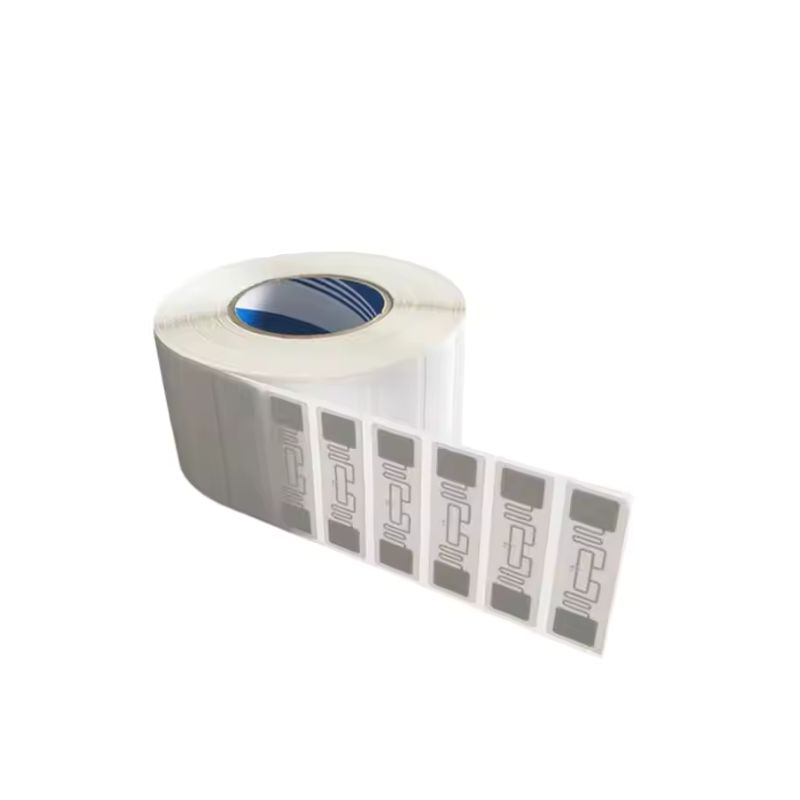
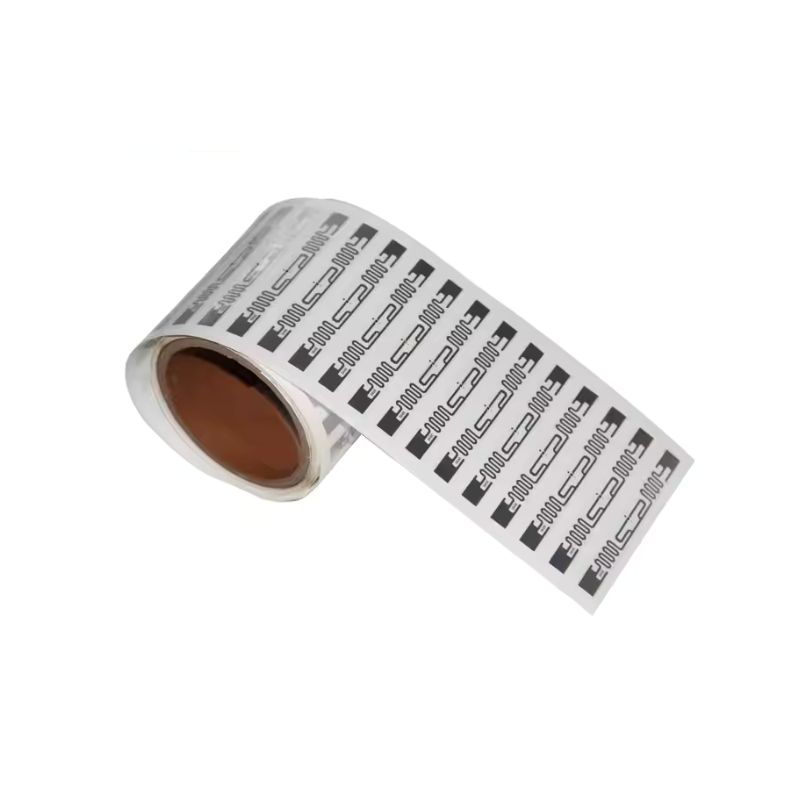
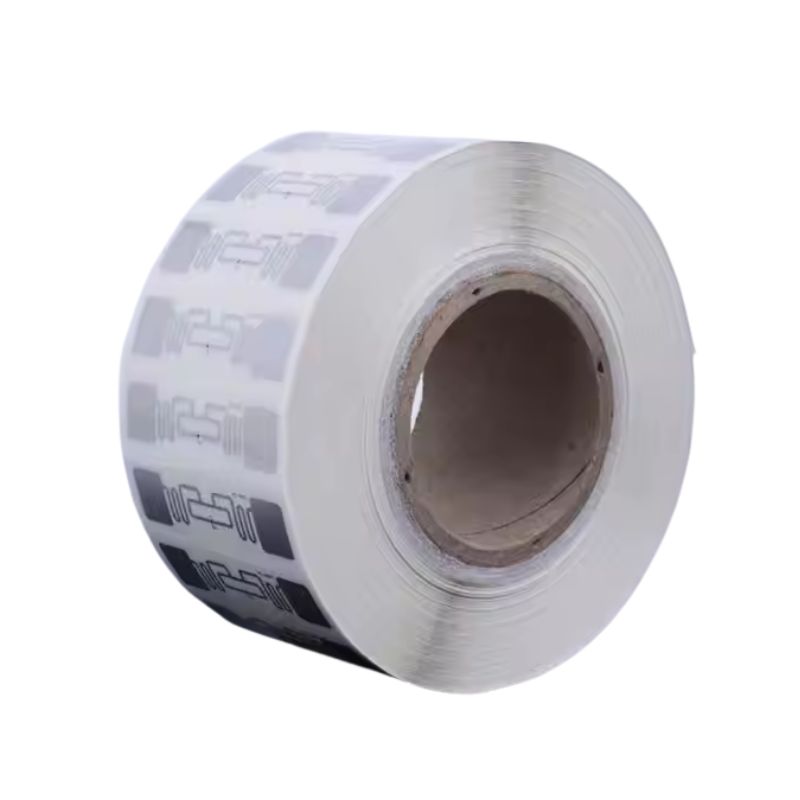
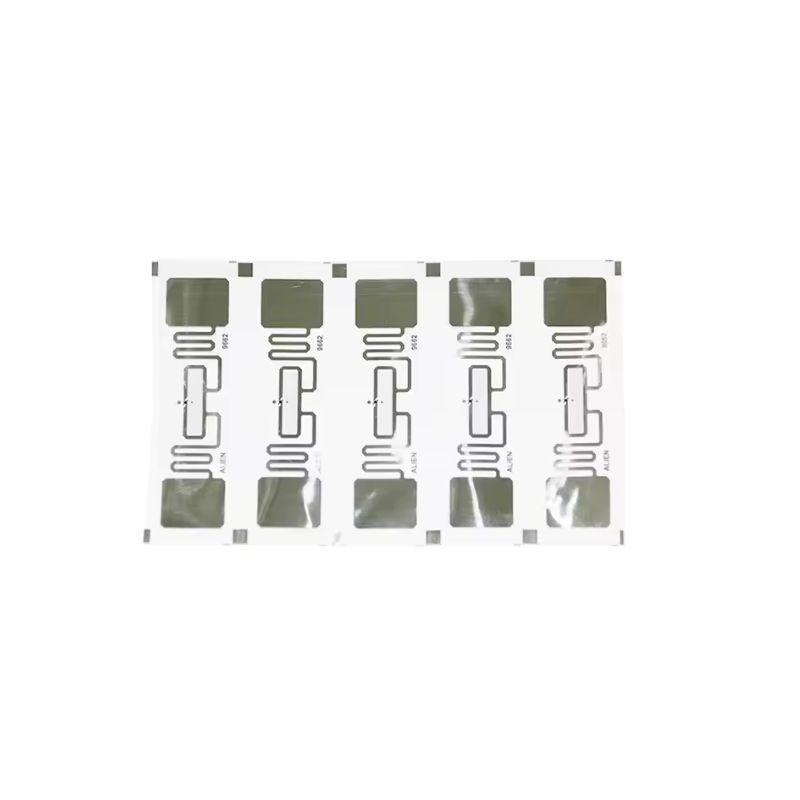
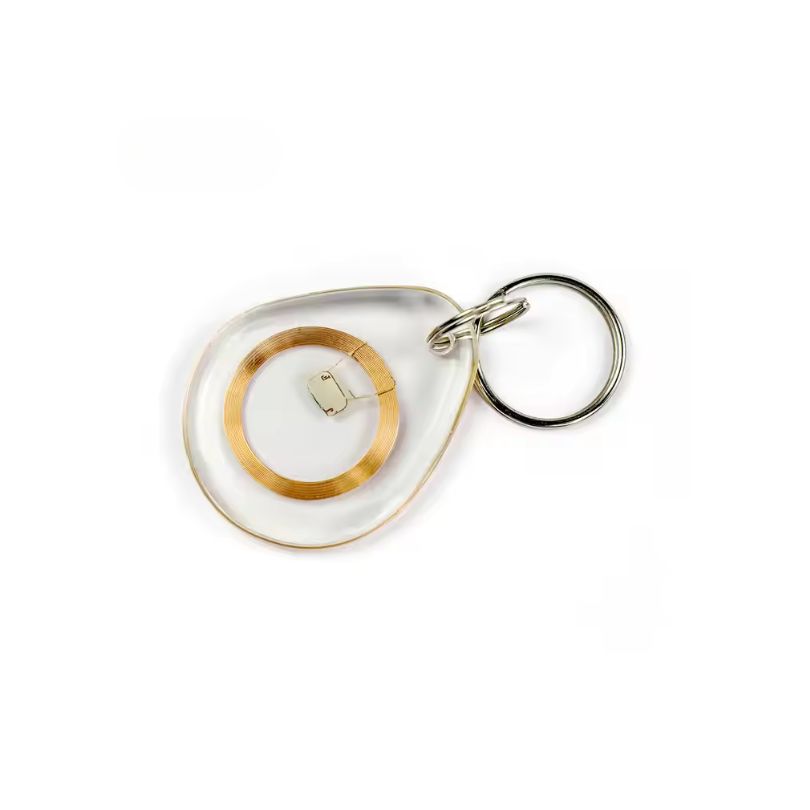
Tagi RFID firmy Alien Technology do naklejek UHF na zamówienie
Printed Alien RFID Tags for Inventory and Asset Tracking
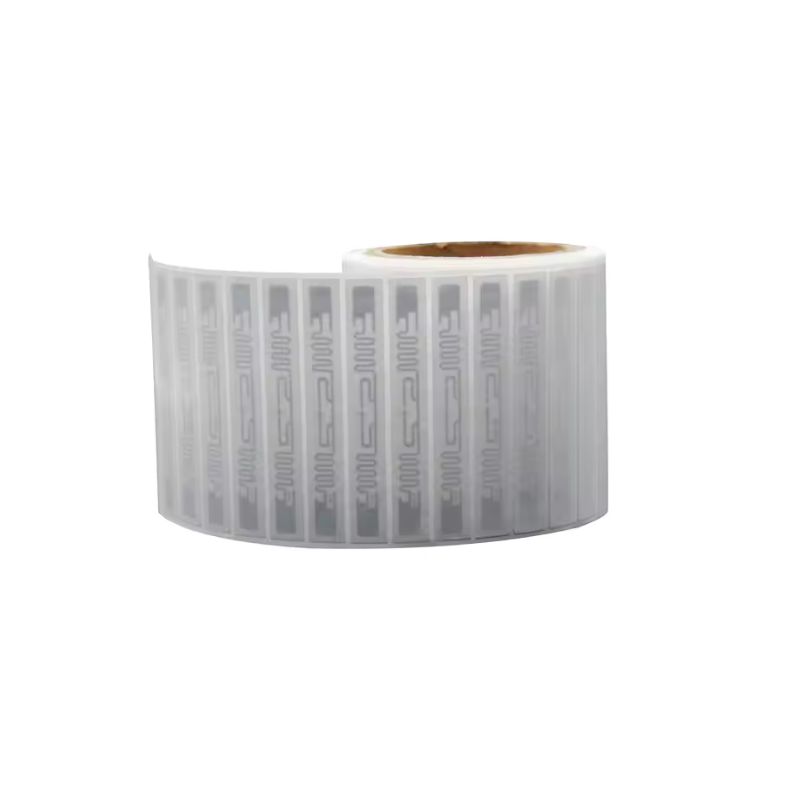
Alien Technology RFID Tags are passive UHF RFID labels or inlays used for item-level identification, inventory control, logistics tracking, and asset management.
This product is a custom printed UHF RFID sticker configured with Alien RFID IC or inlay options by project requirement.
It is suitable for projects that need both visible label information and EPC-based RFID identification.
These alien rfid tags are typically applied to non-metallic surfaces such as cartons, plastic containers, glass, wood, product packaging, and selected high-dielectric materials.
For direct metal surfaces, an on-metal RFID label or anti-metal RFID tag should be selected instead.
Główne cechy
- Alien Higgs-Series UHF Options
Available with Alien Higgs-series IC options such as Higgs-3, Higgs-EC, or Higgs-9, depending on memory, read performance, and project requirements. - Printable RFID Sticker Format
The RFID inlay is converted into a printed sticker label for visual identification, barcode scanning, QR code linking, product marking, or asset numbering. - EPC Encoding Support
Each RFID sticker can be encoded with EPC data, SKU, asset ID, batch number, serial number, or database-matched information. - Material and Adhesive Selection
Paper, PET, synthetic label material, permanent adhesive, or high-tack adhesive can be selected according to the application surface and handling environment.
Dane techniczne
| Funkcja | Specyfikacja |
|---|---|
| Typ produktu | Alien Technology RFID tag / custom printed UHF RFID sticker |
| Typ RFID | Pasywna technologia RFID UHF |
| Częstotliwość | 860–960 MHz |
| Protokół | EPC Gen2 / ISO 18000-6C / ISO 18000-63 compatible |
| Common IC Options | Alien Higgs-3, Higgs-EC, Higgs-9, or project-specific Alien IC options |
| Common Inlay Options | ALN-9654, ALN-9662, or other Alien inlay options by project |
| Format etykiety | Wet inlay, RFID sticker, printed RFID label, or roll label |
| Opcje materiałowe | Coated paper, PET, synthetic paper, or custom label material |
| Opcje kleju | Permanent adhesive, high-tack adhesive, or project-specific adhesive |
| Opcje drukowania | Logo, barcode, QR code, serial number, color printing, text, or product code |
| Opcje kodowania | EPC encoding, SKU matching, asset ID, batch ID, serial number, or database association |
| Odczyt zakresu | Project-dependent; affected by inlay, reader, antenna, surface, label size, and environment |
| Powierzchnia aplikacji | Non-metallic or selected high-dielectric surfaces; use on-metal RFID labels for metal assets |
| Opcje dla czytelników | Handheld UHF reader, fixed reader, RFID gate, tunnel reader, or workstation reader |
RFID sticker performance should be tested with the actual surface, label size, reader setup, and operating environment before bulk production.
Alien 9654 RFID Tag vs Alien 9662 RFID Tag
| Inlay Option | Common Reference | Typowy powód wyboru |
|---|---|---|
| ALN-9654 | Alien 9654 RFID tag | Selected when the project needs UHF RFID label performance on suitable high-dielectric materials such as plastic, glass, or reusable plastic containers |
| ALN-9662 | Alien 9662 | Selected when the project needs a narrower UHF RFID sticker format for cartons, assets, product labels, or space-limited label areas |
| Higgs-3 Sticker | Sticker RFID UHF H3 | Selected when the buyer specifies Alien Higgs-3 IC use in a UHF RFID sticker format |
| Higgs-9 Sticker | Alien Higgs-9 RFID sticker option | Selected when the project requires a newer Alien IC option or a different memory configuration |
The correct Alien RFID tag depends on the surface material, available label area, expected read distance, reader type, and encoding format.
Typowe zastosowania
- Warehouse Inventory Labels
Used for cartons, bins, shelves, plastic containers, and warehouse assets that need RFID-based identification. - Retail and Product Identification
Used for item-level tagging, product packaging, stock counting, and RFID-enabled inventory workflows. - Logistics and Supply Chain Tracking
Used for shipping labels, reusable transport items, pallet labels, and distribution checkpoints. - IT and Office Asset Tracking
Used for laptops, equipment, files, media assets, and office inventory when the surface is suitable for UHF RFID stickers.
Need Alien RFID Tags for Printed UHF Stickers?
Start with the inlay model, label size, surface material, reader setup, printing artwork, and encoding format.
Our RFID specialist can help check whether ALN-9654, ALN-9662, Higgs-3, Higgs-9, or another UHF RFID sticker option is more suitable for the project.
Sample testing is recommended before bulk production to verify read performance, adhesive compatibility, printing layout, and data matching.
Często zadawane pytania
What are Alien Technology RFID Tags?
Alien Technology RFID Tags are passive UHF RFID inlays, labels, or stickers using Alien RFID IC and antenna designs for reader-based identification.
What is an alien 9654 rfid tag?
An alien 9654 rfid tag usually refers to the Alien ALN-9654 UHF RFID inlay. It is often selected for suitable plastic, glass, or high-dielectric surfaces.
What is alien 9662?
Alien 9662 usually refers to the Alien ALN-9662 UHF RFID inlay. It is commonly selected when a narrower sticker format is required.
What does sticker rfid uhf h3 mean?
Sticker RFID UHF H3 usually means a UHF RFID sticker using an Alien Higgs-3 chip. It is selected when the project specifies Higgs-3 IC use in a printed label format.
Can these RFID stickers be used on metal?
Standard UHF RFID stickers are not designed for direct metal surfaces. For metal assets, use a dedicated on-metal RFID label or anti-metal RFID tag.
What affects Alien RFID sticker read performance?
Read performance depends on the inlay model, label size, surface material, reader power, antenna setup, tag position, and surrounding environment.
Zdobądź swoje niestandardowe tagi RFID
Jako wiodący producent niestandardowych tagów RFID, tworzymy rozwiązania oparte na unikalnych potrzebach Twojej działalności. Oferujemy szeroki zakres opcji dostosowywania, w tym materiał, rozmiar, częstotliwość, kodowanie i odległość odczytu, zapewniając, że każdy tag RFID jest idealnie dostosowany do Twoich wymagań. Niezależnie od tego, do jakiego zastosowania używasz tagów RFID, możemy dostarczyć wytrzymałe, niezawodne tagi RFID, które spełniają najwyższe standardy jakości i trwałości. Oto główne sposoby, w jakie dostosowujemy tagi RFID do Twoich potrzeb.

Wybór materiałów
Materiał jest kluczowy dla personalizacji tagów RFID. Plastik sprawdza się w trudnych warunkach, podczas gdy miękkie materiały pasują do delikatnych przestrzeni. Różne materiały również wpływają na wydajność sygnału. Wybierz to, co pasuje do Twojego przypadku użycia, aby mieć pewność, że Twoje tagi będą trwałe i działać niezawodnie.

Niestandardowy rozmiar
Rozmiar kształtuje użyteczność. Małe tagi pasują do ciasnych przestrzeni lub małych przedmiotów, podczas gdy większe tagi są łatwe do odczytania. W zatłoczonych miejscach eleganckie tagi zapobiegają kolizjom. Dopasuj kształt i wymiar do swoich towarów, aby zapewnić widoczność, wygodę i wydajność.

Wymagania częstotliwościowe
Wybierz LF, HF lub UHF w zależności od zasięgu odczytu, prędkości i zakłóceń. LF i HF są odporne na metale i ciecze, ale mają krótszy zasięg. UHF oferuje większy zasięg, ale może napotkać bloki sygnału. Dopasuj częstotliwość do swojego środowiska, aby zapewnić niezawodną wydajność.

Odległość czytania
Określ odległość, z której musisz odczytać tag. Krótkie odległości sprawdzają się w przypadku kas detalicznych, podczas gdy magazyny mogą wymagać metrów zasięgu. Konstrukcja anteny, ustawienia czytnika i wyjścia mocy wpływają na zasięg. Dostosuj te czynniki, aby dokładnie przechwytywać dane z potrzebnej odległości.

Kodować
Zaplanuj, jak dane są przechowywane na każdym tagu. Niektóre zawierają tylko ID, podczas gdy inne zawierają szczegółowe informacje. Zdecyduj, czy potrzebujesz prostego EPC, czy dodatkowej pamięci użytkownika. Upewnij się, że wybrany format działa z istniejącym oprogramowaniem. Prawidłowe kodowanie usprawnia procesy i eliminuje błędy.

Środowisko aplikacji
Weź pod uwagę rzeczywiste warunki. Wahania temperatury, wilgotność i chemikalia mogą powodować degradację tagów. Do użytku na zewnątrz wybierz obudowy odporne na promieniowanie UV. W placówkach służby zdrowia lub w branży spożywczej upewnij się, że przestrzegasz zasad bezpieczeństwa. Dopasowanie tagów do środowiska maksymalizuje ich żywotność.
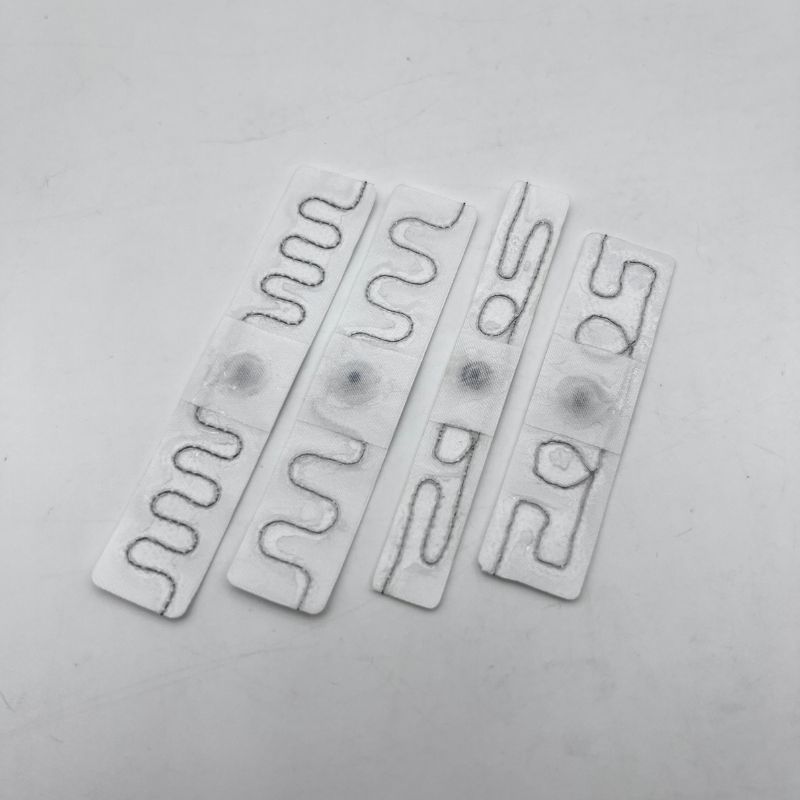
Produkty powiązane
Dostosuj dowolne tagi RFID z naszej fabryki tak, aby spełniały Twoje wymagania.