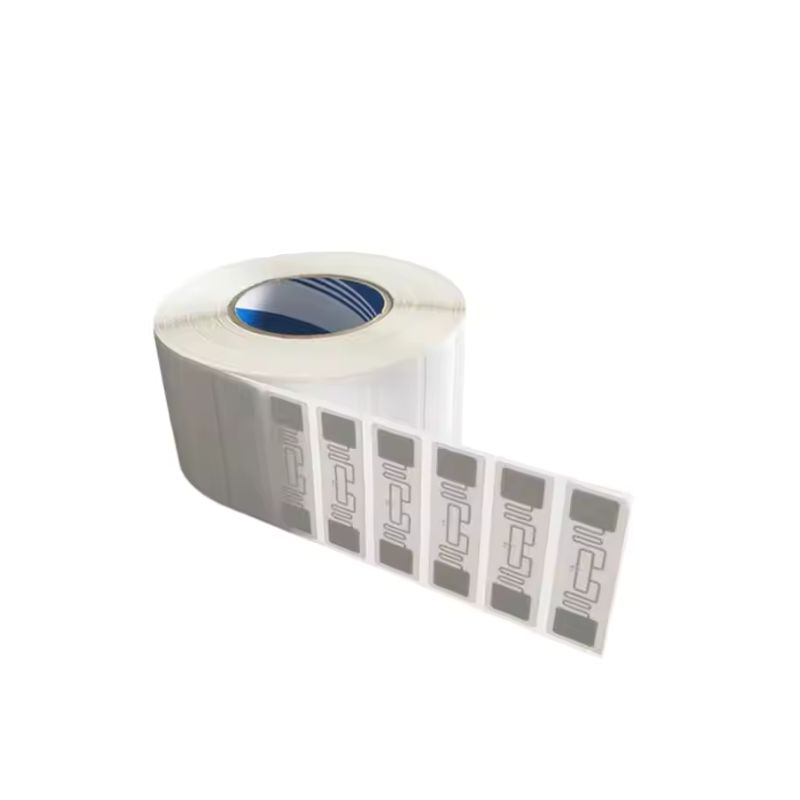
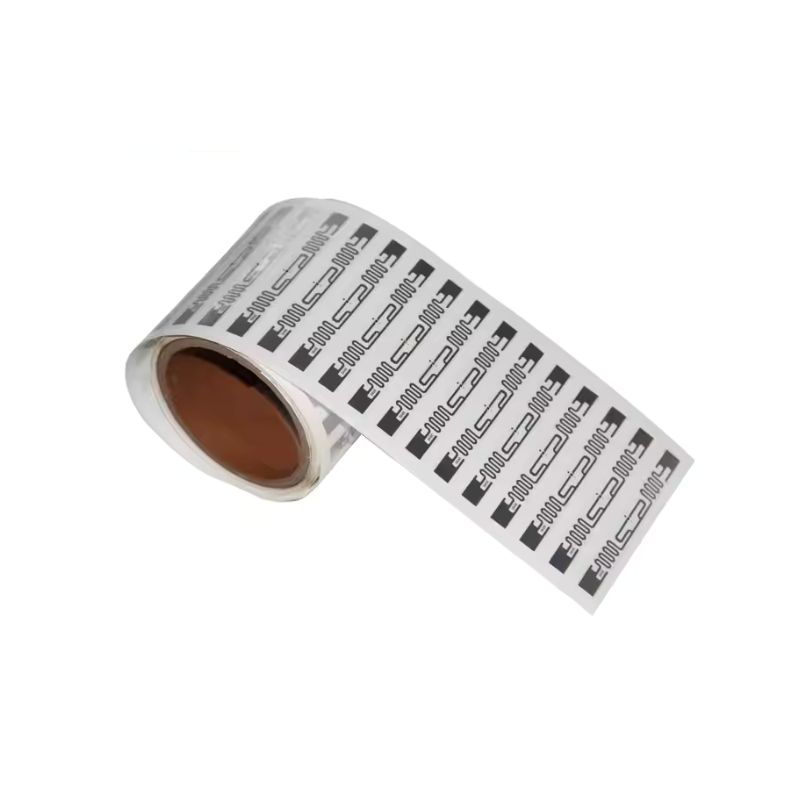
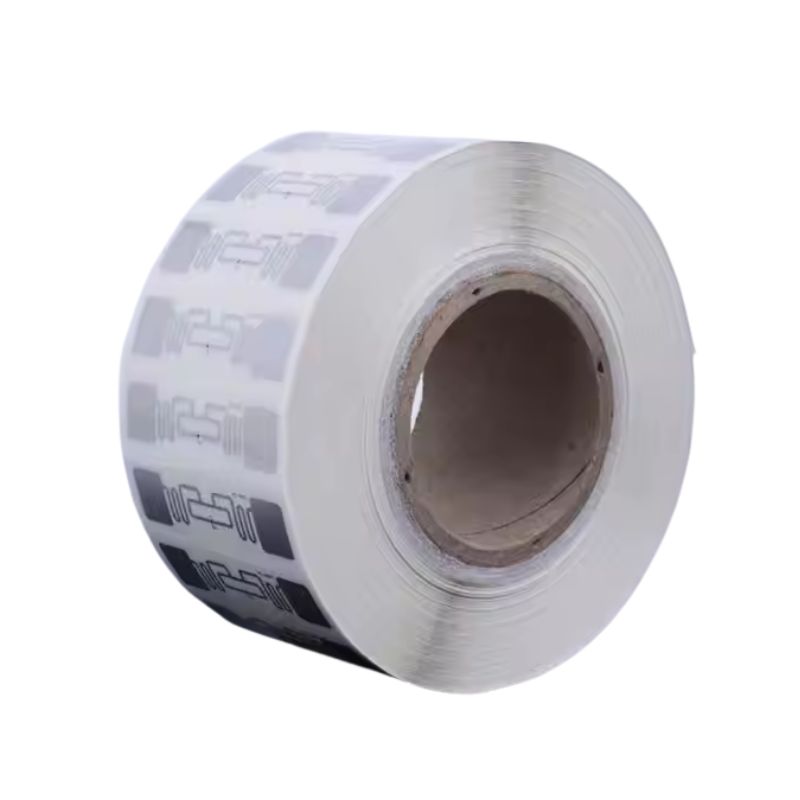
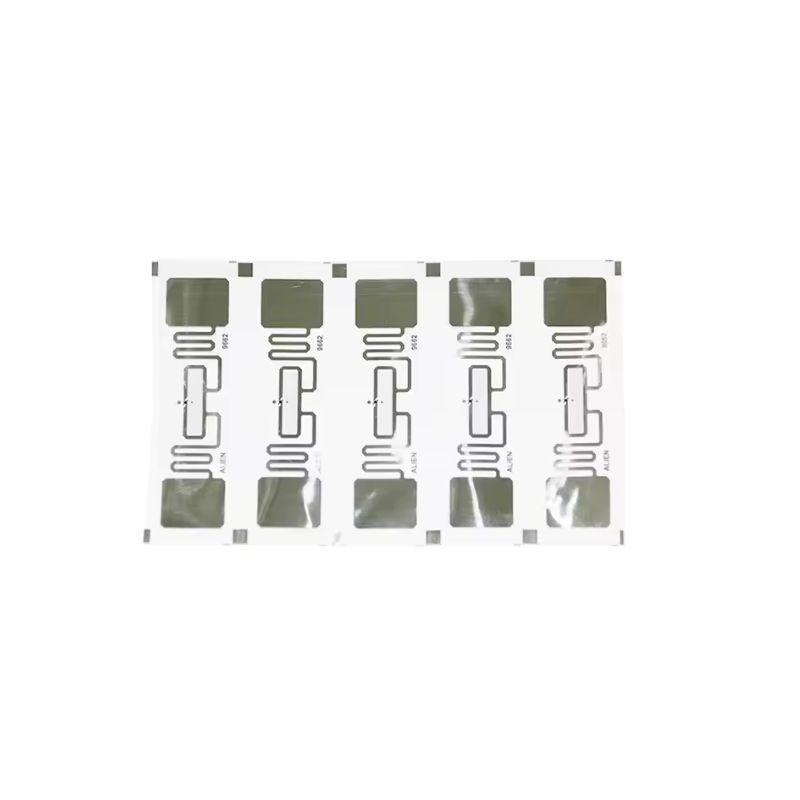
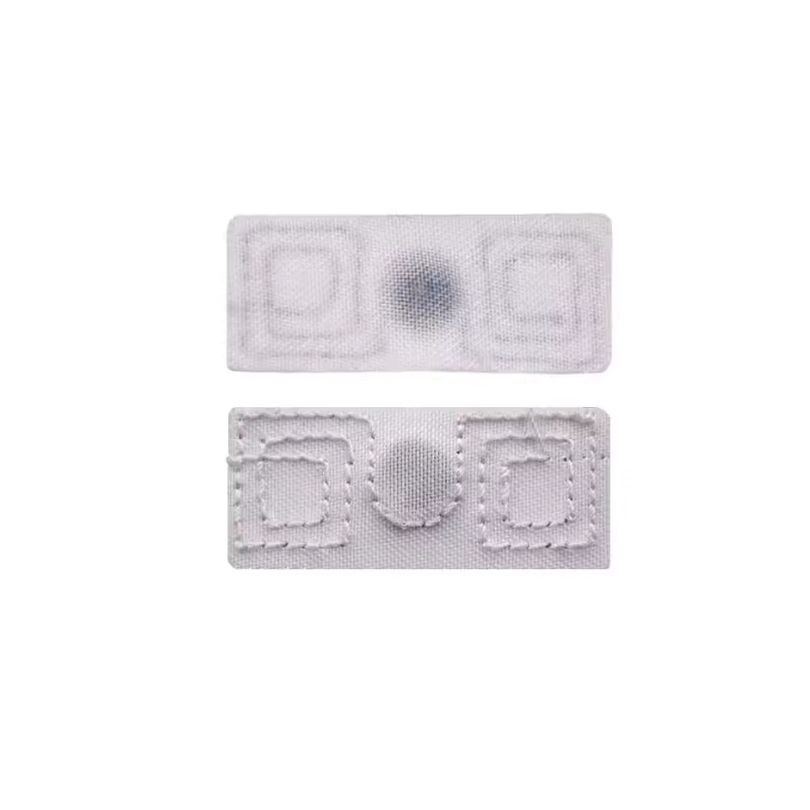
Tag RFID di Alien Technology per adesivi UHF personalizzati
Printed Alien RFID Tags for Inventory and Asset Tracking
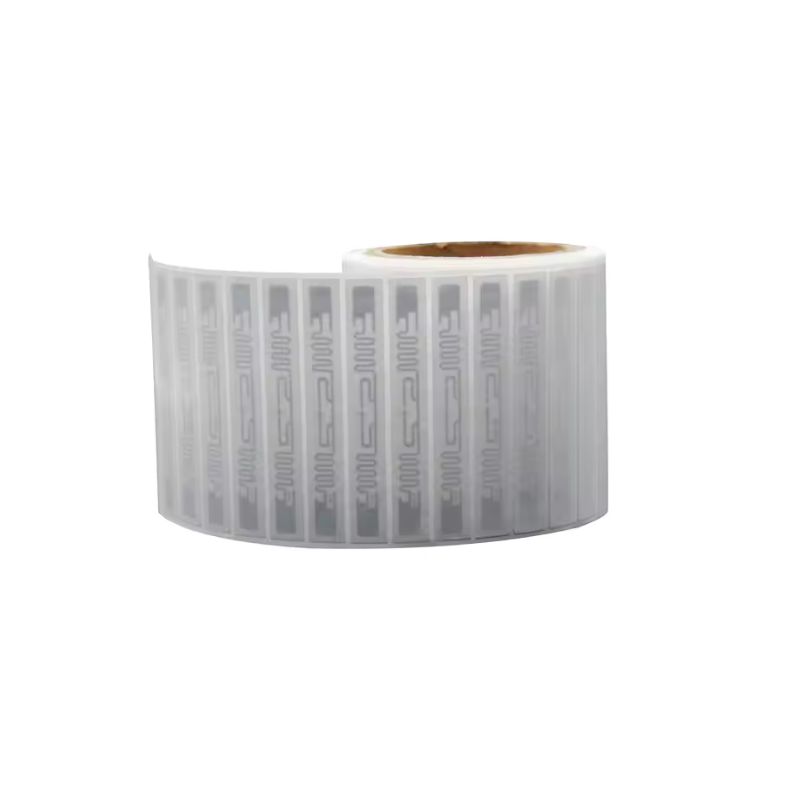
Alien Technology RFID Tags are passive UHF RFID labels or inlays used for item-level identification, inventory control, logistics tracking, and asset management.
This product is a custom printed UHF RFID sticker configured with Alien RFID IC or inlay options by project requirement.
It is suitable for projects that need both visible label information and EPC-based RFID identification.
These alien rfid tags are typically applied to non-metallic surfaces such as cartons, plastic containers, glass, wood, product packaging, and selected high-dielectric materials.
For direct metal surfaces, an on-metal RFID label or anti-metal RFID tag should be selected instead.
Caratteristiche principali
- Alien Higgs-Series UHF Options
Available with Alien Higgs-series IC options such as Higgs-3, Higgs-EC, or Higgs-9, depending on memory, read performance, and project requirements. - Printable RFID Sticker Format
The RFID inlay is converted into a printed sticker label for visual identification, barcode scanning, QR code linking, product marking, or asset numbering. - EPC Encoding Support
Each RFID sticker can be encoded with EPC data, SKU, asset ID, batch number, serial number, or database-matched information. - Material and Adhesive Selection
Paper, PET, synthetic label material, permanent adhesive, or high-tack adhesive can be selected according to the application surface and handling environment.
Specifiche tecniche
| Caratteristica | Specificazione |
|---|---|
| Tipo di prodotto | Alien Technology RFID tag / custom printed UHF RFID sticker |
| Tipo RFID | RFID UHF passivo |
| Frequenza | 860–960 MHz |
| Protocollo | EPC Gen2 / ISO 18000-6C / ISO 18000-63 compatible |
| Common IC Options | Alien Higgs-3, Higgs-EC, Higgs-9, or project-specific Alien IC options |
| Common Inlay Options | ALN-9654, ALN-9662, or other Alien inlay options by project |
| Formato dell'etichetta | Wet inlay, RFID sticker, printed RFID label, or roll label |
| Opzioni di materiale | Coated paper, PET, synthetic paper, or custom label material |
| Opzioni di adesivo | Permanent adhesive, high-tack adhesive, or project-specific adhesive |
| Opzioni di stampa | Logo, barcode, QR code, serial number, color printing, text, or product code |
| Opzioni di codifica | EPC encoding, SKU matching, asset ID, batch ID, serial number, or database association |
| Intervallo di lettura | Project-dependent; affected by inlay, reader, antenna, surface, label size, and environment |
| Superficie di applicazione | Non-metallic or selected high-dielectric surfaces; use on-metal RFID labels for metal assets |
| Opzioni di lettura | Handheld UHF reader, fixed reader, RFID gate, tunnel reader, or workstation reader |
RFID sticker performance should be tested with the actual surface, label size, reader setup, and operating environment before bulk production.
Alien 9654 RFID Tag vs Alien 9662 RFID Tag
| Inlay Option | Common Reference | Motivo tipico della selezione |
|---|---|---|
| ALN-9654 | Alien 9654 RFID tag | Selected when the project needs UHF RFID label performance on suitable high-dielectric materials such as plastic, glass, or reusable plastic containers |
| ALN-9662 | Alien 9662 | Selected when the project needs a narrower UHF RFID sticker format for cartons, assets, product labels, or space-limited label areas |
| Higgs-3 Sticker | Sticker RFID UHF H3 | Selected when the buyer specifies Alien Higgs-3 IC use in a UHF RFID sticker format |
| Higgs-9 Sticker | Alien Higgs-9 RFID sticker option | Selected when the project requires a newer Alien IC option or a different memory configuration |
The correct Alien RFID tag depends on the surface material, available label area, expected read distance, reader type, and encoding format.
Applicazioni tipiche
- Warehouse Inventory Labels
Used for cartons, bins, shelves, plastic containers, and warehouse assets that need RFID-based identification. - Retail and Product Identification
Used for item-level tagging, product packaging, stock counting, and RFID-enabled inventory workflows. - Logistics and Supply Chain Tracking
Used for shipping labels, reusable transport items, pallet labels, and distribution checkpoints. - IT and Office Asset Tracking
Used for laptops, equipment, files, media assets, and office inventory when the surface is suitable for UHF RFID stickers.
Need Alien RFID Tags for Printed UHF Stickers?
Start with the inlay model, label size, surface material, reader setup, printing artwork, and encoding format.
Our RFID specialist can help check whether ALN-9654, ALN-9662, Higgs-3, Higgs-9, or another UHF RFID sticker option is more suitable for the project.
Sample testing is recommended before bulk production to verify read performance, adhesive compatibility, printing layout, and data matching.
Domande frequenti
What are Alien Technology RFID Tags?
Alien Technology RFID Tags are passive UHF RFID inlays, labels, or stickers using Alien RFID IC and antenna designs for reader-based identification.
What is an alien 9654 rfid tag?
An alien 9654 rfid tag usually refers to the Alien ALN-9654 UHF RFID inlay. It is often selected for suitable plastic, glass, or high-dielectric surfaces.
What is alien 9662?
Alien 9662 usually refers to the Alien ALN-9662 UHF RFID inlay. It is commonly selected when a narrower sticker format is required.
What does sticker rfid uhf h3 mean?
Sticker RFID UHF H3 usually means a UHF RFID sticker using an Alien Higgs-3 chip. It is selected when the project specifies Higgs-3 IC use in a printed label format.
Can these RFID stickers be used on metal?
Standard UHF RFID stickers are not designed for direct metal surfaces. For metal assets, use a dedicated on-metal RFID label or anti-metal RFID tag.
What affects Alien RFID sticker read performance?
Read performance depends on the inlay model, label size, surface material, reader power, antenna setup, tag position, and surrounding environment.
Ottieni i tuoi tag RFID personalizzati
In qualità di produttore leader di tag RFID personalizzati, realizziamo soluzioni basate sulle esigenze specifiche della tua attività. Offriamo un'ampia gamma di opzioni di personalizzazione, tra cui materiale, dimensioni, frequenza, codifica e distanza di lettura, assicurando che ogni tag RFID sia perfettamente personalizzato in base alle tue esigenze. Indipendentemente dall'applicazione per cui utilizzi i tag RFID, possiamo fornire tag RFID robusti e affidabili che soddisfano i più elevati standard di qualità e durata. Ecco i principali modi in cui personalizziamo i tag RFID per adattarli alle tue esigenze.

Selezione dei materiali
Il materiale è fondamentale per personalizzare i tag RFID. La plastica funziona in condizioni difficili, mentre i materiali più morbidi si adattano agli spazi delicati. Materiali diversi influiscono anche sulle prestazioni del segnale. Scegli quello più adatto al tuo caso d'uso per garantire che i tuoi tag durino e funzionino in modo affidabile.

Dimensioni personalizzate
Le dimensioni determinano l'usabilità. I tag piccoli si adattano a spazi ristretti o oggetti minuscoli, mentre i tag più grandi sono facilmente leggibili. Nelle aree affollate, i tag eleganti evitano collisioni. Allinea forma e dimensione con i tuoi beni per visibilità, praticità e prestazioni.

Requisiti di frequenza
Scegli LF, HF o UHF in base alla portata di lettura, alla velocità e all'interferenza. LF e HF resistono a metalli e liquidi ma hanno portate più brevi. UHF offre una portata estesa ma può subire blocchi di segnale. Adatta la frequenza al tuo ambiente per prestazioni affidabili.

Distanza di lettura
Definisci la distanza a cui devi leggere il tag. Le distanze brevi funzionano per le casse dei negozi al dettaglio, mentre i magazzini potrebbero aver bisogno di metri di copertura. Il design dell'antenna, le impostazioni del lettore e le uscite di potenza influiscono sulla portata. Regola questi fattori per acquisire i dati in modo accurato alla distanza di cui hai bisogno.

Codificare
Pianifica come i dati vengono archiviati su ogni tag. Alcuni contengono solo un ID, mentre altri contengono informazioni dettagliate. Decidi se hai bisogno di un semplice EPC o di memoria utente aggiuntiva. Assicurati che il formato scelto funzioni con il software esistente. Una codifica corretta semplifica i processi e riduce gli errori.

Ambiente applicativo
Considera le condizioni del mondo reale. Sbalzi di temperatura, umidità e sostanze chimiche possono degradare i tag. Per l'uso all'aperto, opta per involucri resistenti ai raggi UV. In ambito sanitario o alimentare, assicurati di rispettare le norme di sicurezza. Adattare i tag all'ambiente ne massimizza la durata.
Prodotti correlati
Personalizza qualsiasi tag RFID prodotto nella nostra fabbrica in base alle tue esigenze.