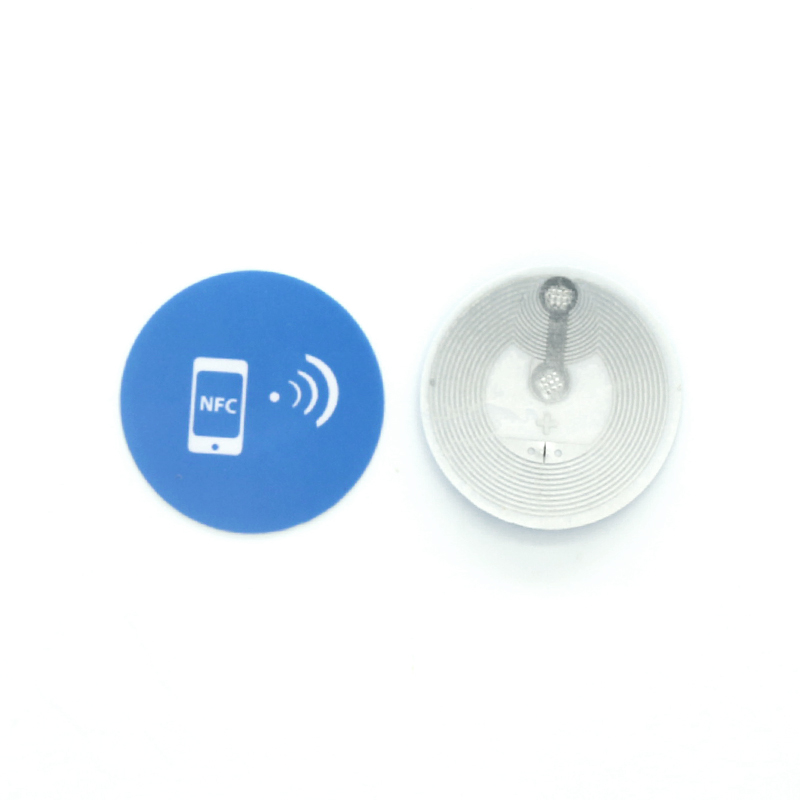
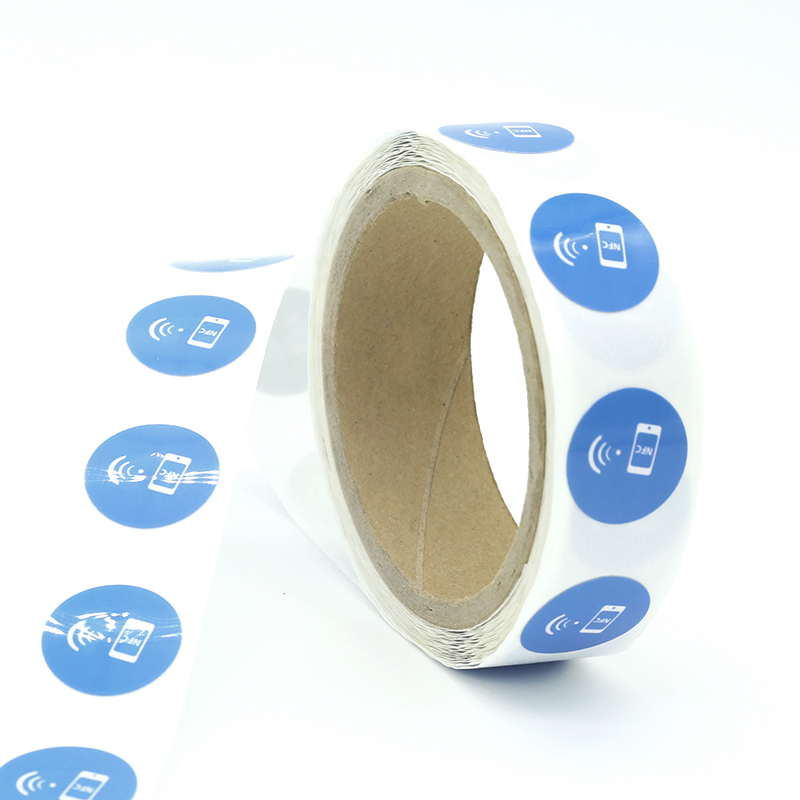
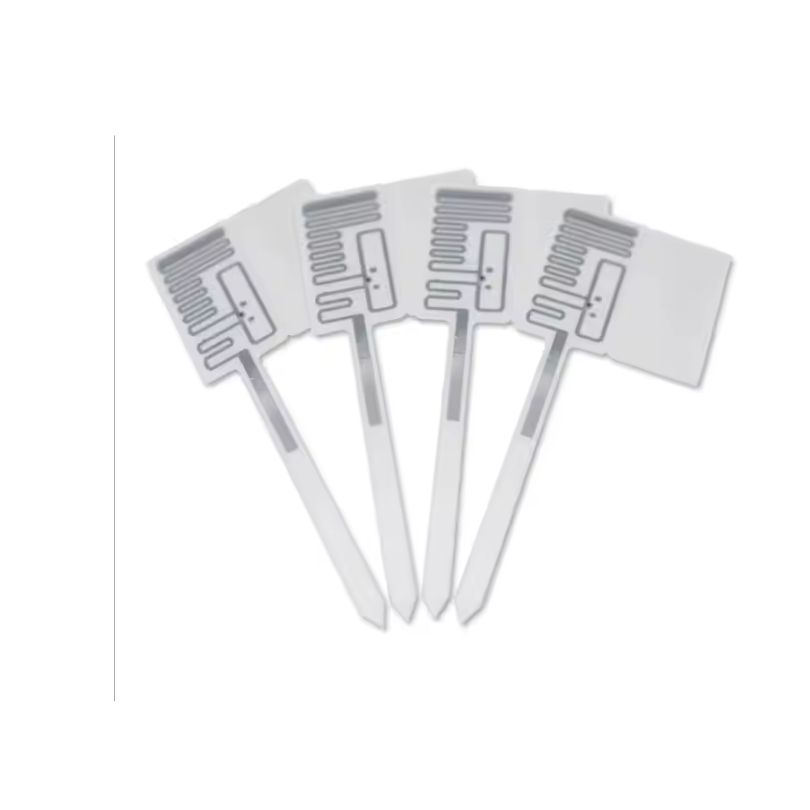
Factory Price Custom RFID Smart Labels NFC Sticker Label

NFC Smart Labels for Tap-Based Product Interaction

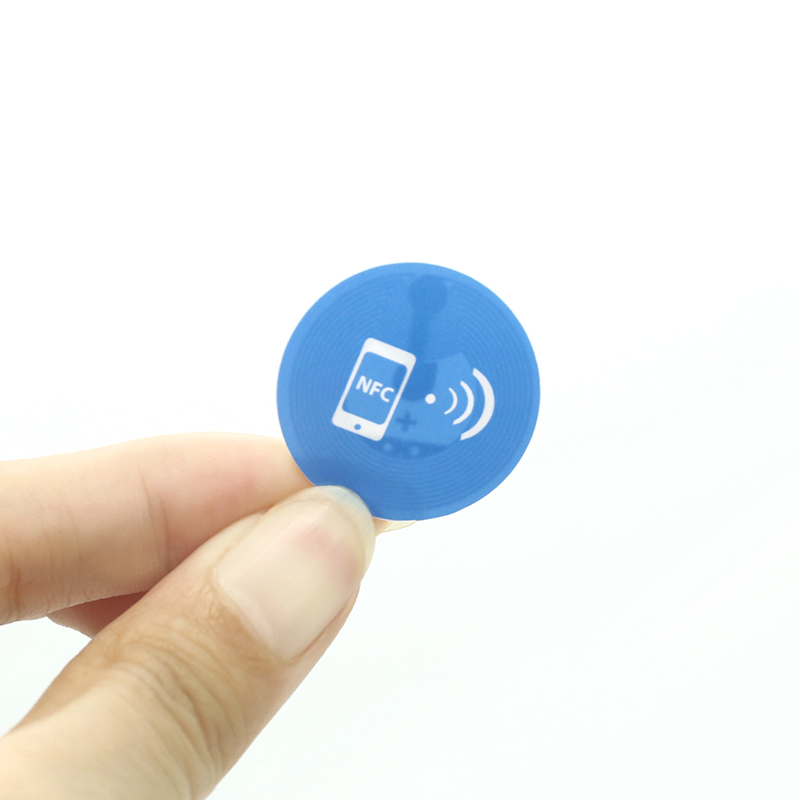
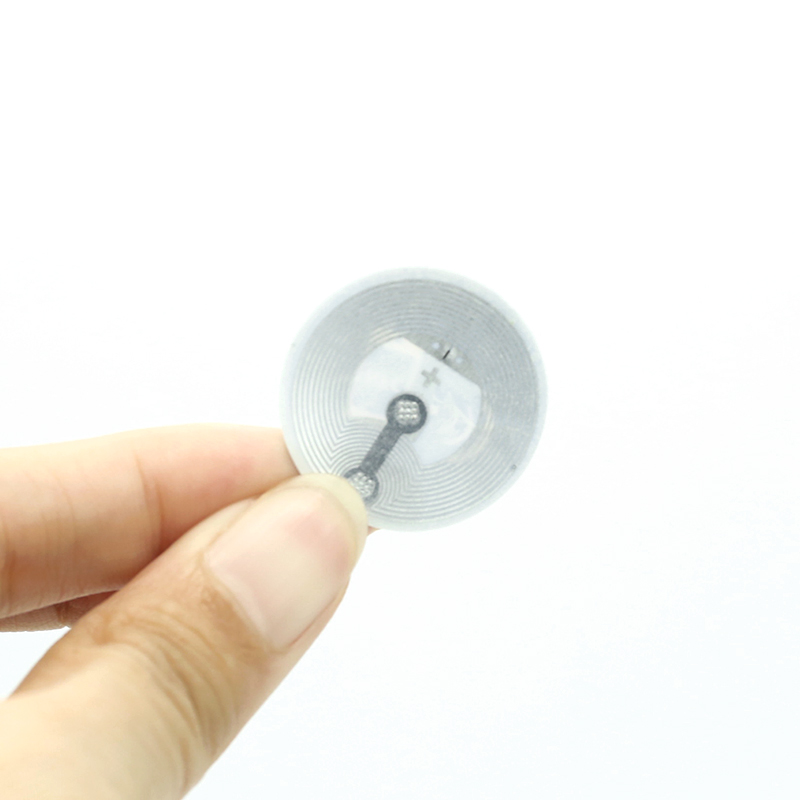
Near field communication stickers are passive 13.56 MHz NFC labels used for short-range tap interaction with compatible NFC smartphones or HF readers.

This product is a custom NFC smart label for connecting a physical item with a digital page, stored NFC record, or database-matched ID.

For long-range inventory scanning, warehouse gates, or bulk reading, UHF RFID smart labels are more suitable than NFC stickers.

Key Features

  • Tap-Based NFC Interaction
    Users can tap the label with a compatible NFC smartphone or HF reader to access encoded information.
  • Printable Label Construction
    The NFC inlay can be converted into a printed sticker with logo, QR code, serial number, product code, or brand artwork.
  • Project-Specific Encoding
    Labels can be encoded with URL, text, vCard, app link, UID matching, serial number, or NDEF data according to the system workflow.

Technical Specifications

FeatureSpecification
Product TypeNear field communication sticker / NFC smart label
RFID TypePassive HF RFID / NFC
Frequency13.56 MHz
Common StandardsISO/IEC 14443A, NFC Forum Type 2 or Type 4 depending on chip
Common Chip OptionsNTAG213, NTAG215, NTAG216, MIFARE Ultralight EV1, NTAG424 DNA, DESFire options by project
Label FormatNFC sticker, printed NFC label, roll label, wet inlay, or anti-metal NFC label
Material OptionsCoated paper, PET, PVC, synthetic paper, or custom label material
Adhesive OptionsPermanent, removable, high-tack, tamper-evident, or anti-metal ferrite backing
Printing OptionsLogo, QR code, barcode, serial number, product code, color printing, or custom artwork
Encoding OptionsURL, text, vCard, NDEF record, UID matching, serial number, or database association
Read RangeClose-range tap; depends on phone, chip, antenna, label size, surface, and environment
Application SurfacePaper, cardboard, plastic, glass, packaging, product surface, or metal with anti-metal NFC structure
Delivery FormatRoll labels, sheet labels, individual pieces, pre-encoded labels, or serialized labels

NFC sticker performance should be tested with the actual surface, phone model, label size, and encoded data format before bulk production.

Typical Applications

  • Smart Packaging
    Used on product packaging to connect buyers with product information, instructions, registration pages, or after-sales content.
  • Product Authentication
    Used to link a physical product with a verification page, serial record, or brand-controlled database.
  • Marketing and Customer Engagement
    Used on posters, cards, samples, displays, and promotional materials for tap-based digital interaction.
  • Equipment and Service Records
    Used on tools, machines, meters, and devices to access inspection records, service history, or maintenance instructions.

NFC Smart Labels vs UHF RFID Smart Labels

Comparison PointNFC Smart LabelsUHF RFID Smart Labels
Frequency13.56 MHz860–960 MHz
Reading StyleClose-range tapLonger-range reader-based scanning
Common DeviceNFC smartphone or HF readerUHF handheld, fixed reader, gate reader, or tunnel reader
Bulk ReadingNot the main purposeSuitable with the correct reader setup
Metal Surface UseRequires anti-metal NFC structureRequires on-metal UHF label or anti-metal RFID tag

Choose near field communication stickers when the project needs smartphone tap interaction or close-range product identification.

Choose UHF RFID smart labels when the project needs longer read distance, bulk scanning, warehouse inventory, or logistics checkpoints.

Which NFC Chip Should You Choose?

Chip OptionTypical UseSelection Note
NTAG213URL labels, product information, basic NFC interactionCommon choice for simple NFC sticker projects
NTAG215More data storage than NTAG213Used when the encoded content requires more memory
NTAG216Larger memory NFC labelSuitable for longer NDEF records or more stored data
MIFARE Ultralight EV1Ticketing, limited-use labels, simple identificationRequires system compatibility check
NTAG424 DNAAuthentication-focused NFC projectsSelected when advanced authentication features are required
DESFire OptionSecure access or advanced system integrationRequires compatible reader, software, and encoding design

The chip should be selected according to memory size, phone compatibility, security requirement, encoding format, and system workflow.

Need Near Field Communication Stickers for Your Product?

Start with the application surface, label size, chip type, printing design, encoded data, and whether the sticker will be used on metal.

Our RFID specialist can help check whether a standard NFC smart label, anti-metal NFC sticker, or UHF RFID smart label is more suitable for the project.

Sample testing is recommended before bulk production to verify tap performance, printing layout, adhesive compatibility, and data encoding.

Frequently Asked Question

What are near field communication stickers?

Near field communication stickers are passive NFC labels that can be read at close range by compatible NFC smartphones or HF readers.

Standard NFC stickers usually do not work well directly on metal. For metal surfaces, use an anti-metal NFC sticker with a ferrite layer.

Many NFC chip options support locking or password-related features, but the available function depends on the selected chip and encoding method.

Reading performance depends on the NFC chip, antenna size, phone model, label position, surface material, adhesive structure, and whether the sticker is near metal.

Get Your Custom RFID Tags

As a leading custom RFID tag manufacturer, we craft solutions based on the unique needs of your operation. We offer a wide range of customization options, including material, size, frequency, encoding, and read distance, ensuring each RFID Tag is perfectly customized to your requirements. No matter what application you use RFID tags for, we can provide rugged, reliable RFID tags that meet the highest quality and durability standards. Here are the main ways we customize RFID tags to fit your needs.

RFID Tags Material

Material Selection

Material is key for customizing RFID tags. Plastic works in harsh conditions, while softer materials suit delicate spaces. Different materials also affect signal performance. Pick what fits your use case to ensure your tags last and work reliably.

rfid tag size

Customized Size

Size shapes usability. Small tags fit tight spaces or tiny items, while larger tags are easily read. In crowded areas, sleek tags prevent clashes. Align shape and dimension with your goods for visibility, convenience, and performance.

RFID Tags Frequency

Frequency Requirements

Choose LF, HF, or UHF based on read range, speed, and interference. LF and HF resist metals and liquids but have shorter ranges. UHF offers an extended range yet may face signal blocks. Match frequency to your environment for reliable performance.

RFID TAGS Reading Distance

Reading Distance

Define the distance at which you have to read the tag. Short distances work for retail checkouts, while warehouses may need meters of coverage. Antenna design, reader settings, and power outputs affect range.Adjust these factors to capture data accurately at the distance you need.

Encoding

Encode

Plan how data is stored on each tag. Some only hold an ID, while others contain detailed info. Decide if you need a simple EPC or added user memory. Ensure your chosen format works with existing software. Proper encoding streamlines processes and slashes errors.

rfid tags application

Application Environment

Consider real-world conditions. Temperature swings, humidity, and chemicals can degrade tags. For outdoor use, opt for UV-resistant casings. In healthcare or food settings, ensure compliance with safety rules. Matching your tags to the environment maximizes their lifespan.
Scroll to Top

InQUIRY NOW

Fill out the form below, and we will be in touch in 20 minutes.

InQUIRY NOW

Fill out the form below, and we will be in touch in 20 minutes.