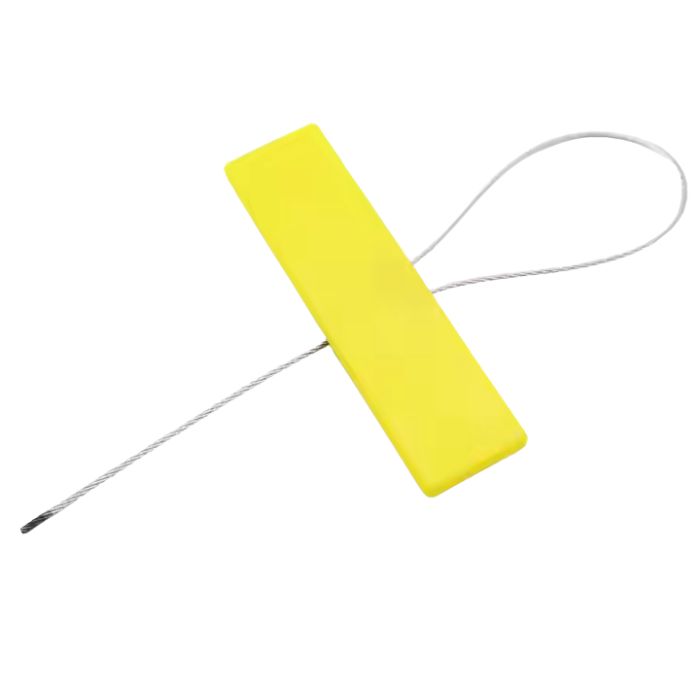
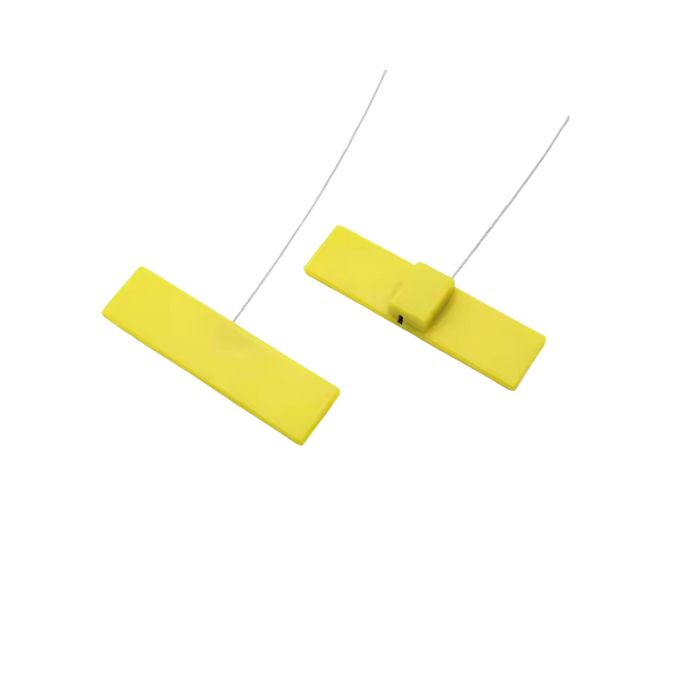
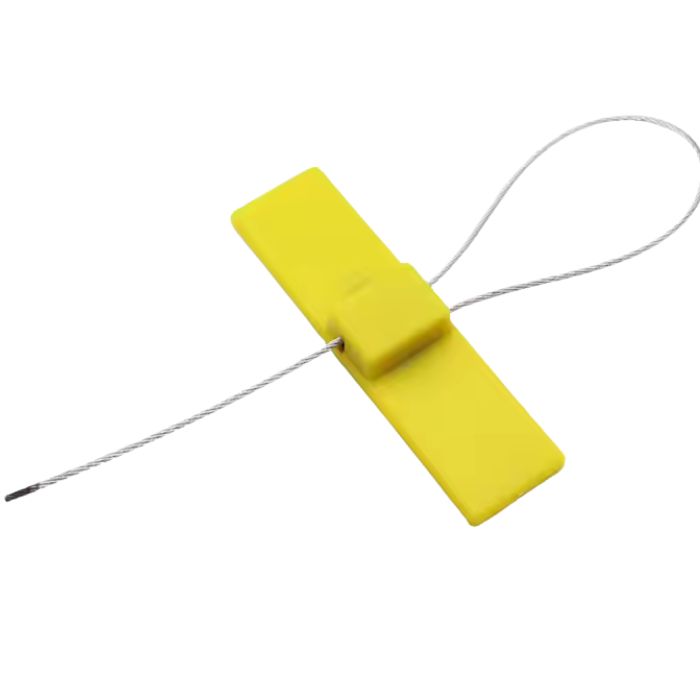
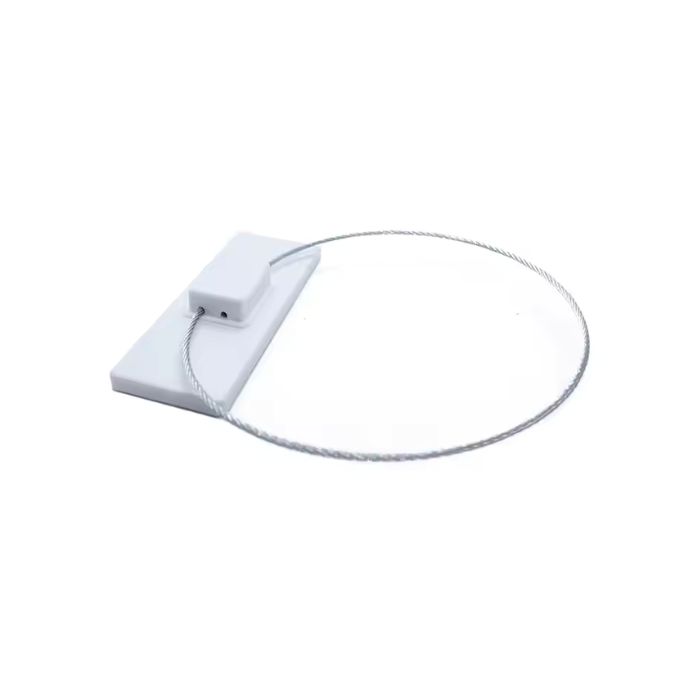
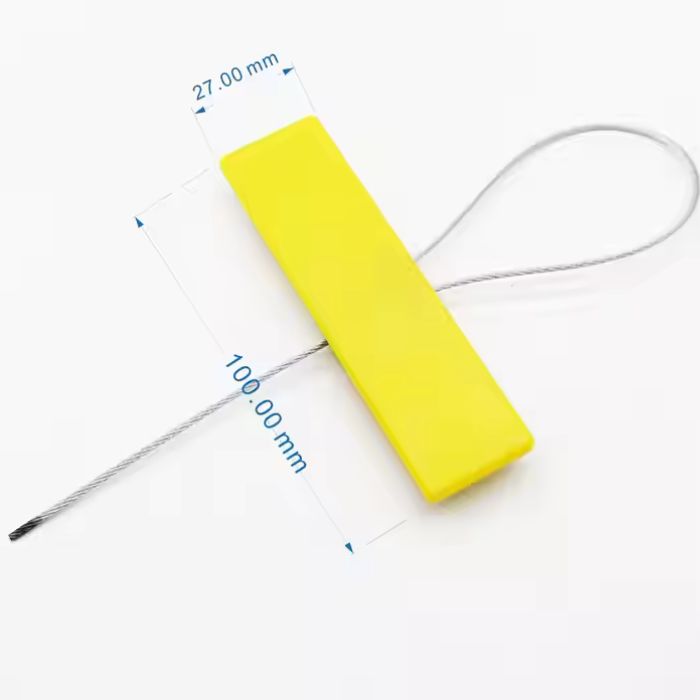
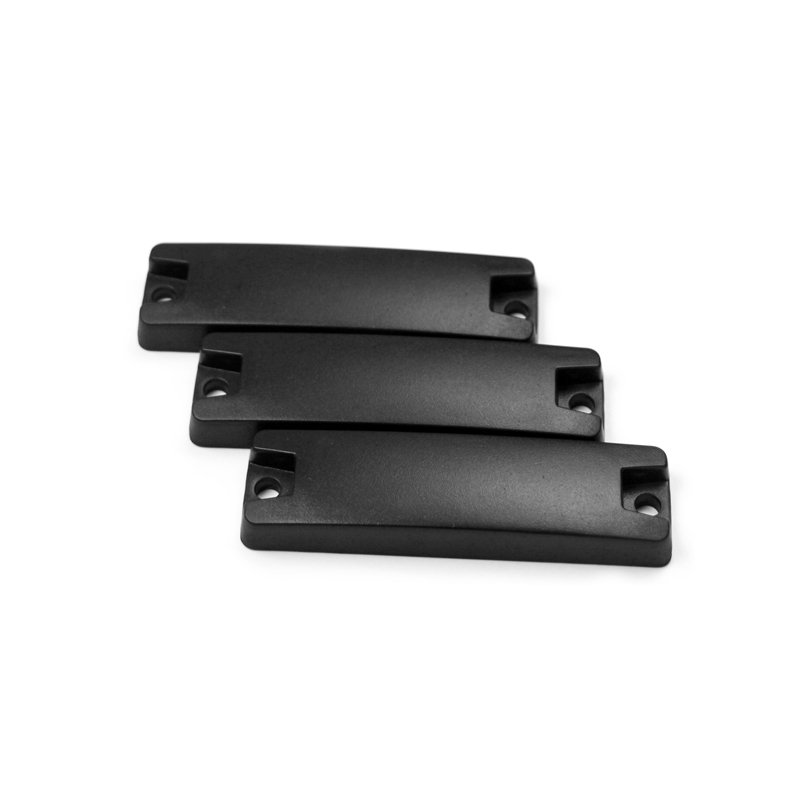
Tamper Proof UHF Chip Security Seal Tag for Container

Tamper Evident Security Seals for Containers and Cargo

A tamper evident seal is a one-time security seal designed to show visible evidence if a container, trailer, cable lock point, or cargo access point has been opened or altered.

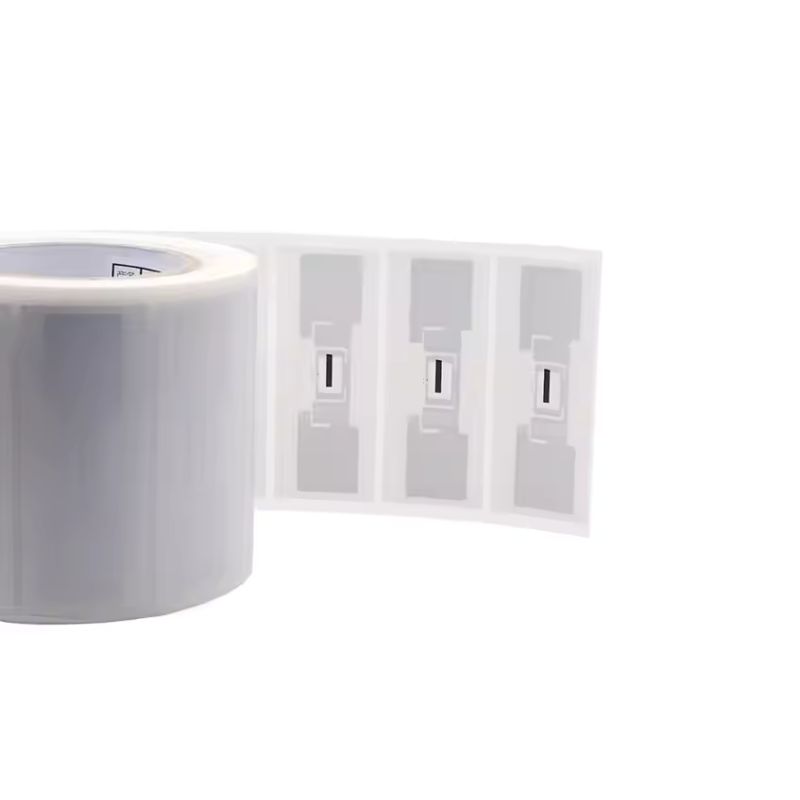
This RFID version combines a physical security seal with a passive UHF RFID chip. The seal can be checked visually by serial number and electronically by scanning its RFID identifier with a compatible UHF reader.

Custom RFID tamper evident security seals can be used for container logistics, trailer checks, customs inspection, yard management, cargo verification, and high-value shipment control. The correct seal type should be selected according to the lock point, required strength, certification requirement, reader setup, and operating environment.

Key Features of RFID Tamper Evident Seals

  • One-Time Locking Structure
    The seal is designed for single-use locking. Removal normally requires cutting or breaking the seal, leaving visible evidence of access.
  • Visible Serial Identification
    Laser numbering, printed serial numbers, barcodes, or QR codes can be added for manual inspection and physical record matching.
  • Passive UHF RFID Scanning
    The embedded RFID chip can be scanned by compatible UHF readers at gates, yards, warehouses, or inspection points.
  • EPC and TID Data Matching
    RFID identifiers can be matched with container numbers, shipment records, inspection logs, or backend logistics data.
  • Model-Specific Compliance
    ISO 17712 high-security classification should be confirmed by seal model and certificate when the seal is intended for international container shipping.

Technical Specifications

FeatureSpecification
Product TypeRFID tamper evident seal / UHF RFID security seal
Seal TypeBolt seal, cable seal, or model-specific container seal
RFID TypePassive UHF RFID
FrequencyUHF 860–960 MHz, depending on regional regulations
ProtocolEPC UHF Gen2 / ISO/IEC 18000-63
Chip OptionsAlien Higgs, Impinj Monza, NXP UCODE, or project-compatible UHF chips
Seal MaterialABS plastic, hardened steel, steel cable, or model-specific construction
Lock MechanismOne-time locking structure
Tamper EvidenceBreakage, cutting, deformation, removed seal, or serial/RFID mismatch
Read RangeDepends on chip, antenna, reader power, reader antenna, seal position, and environment
Numbering OptionsLaser serial number, printed serial number, barcode, QR code, or human-readable ID
Encoding OptionsEPC writing, TID matching, serial matching, user memory writing, or database association
Compliance OptionISO 17712:2013 high-security classification available only for certified models
Operating EnvironmentContainer yards, ports, trailers, warehouses, customs checkpoints, and cargo facilities
CustomizationLogo, color, serial number, barcode, RFID encoding, packaging, and data file matching

Read range, tamper evidence, tensile strength, and certification status should be confirmed by seal model before production.

Typical Applications

  • Shipping Containers
    RFID tamper evident seals can be used on container doors to support visual seal checks and RFID-based gate verification.
  • Truck Trailers and Box Vans
    Logistics teams can use RFID seals to identify trailer access points during loading, transfer, delivery, or return checks.
  • Rail Freight and Cargo Units
    RFID security seals can support cargo verification when railcars, cargo boxes, or intermodal units pass inspection points.
  • Customs and Port Operations
    Ports, customs teams, and freight operators can scan RFID seal IDs to compare physical seals with shipment records.
  • High-Value Cargo Control
    Custom tamper evident seals can be used for goods that require serialized access control, shipment traceability, or inspection history.

Which Tamper Evident Seal Type Fits Your Shipment?

seal TypeMain DifferenceSuitable Use
RFID Bolt SealRigid bolt-style locking structureShipping containers and high-security cargo doors
RFID Cable SealFlexible steel cable structureTrailers, railcars, drums, valves, cages, and varied lock points
Plastic RFID SealLower-strength plastic seal structureInternal logistics, asset checks, and controlled warehouse use
Laser-Numbered RFID SealVisible number plus RFID identifierProjects requiring manual and electronic verification
Custom Tamper Evident SealsCustomized logo, color, encoding, barcode, or packagingBrand control, logistics programs, and system-integrated seal management

Choose the seal according to the required security level, lock-point geometry, certification requirement, reader distance, and inspection workflow.

A bolt seal is usually preferred for container doors requiring stronger physical security. A cable seal is better when the lock point requires flexibility.

RFID Tamper Evident Seal vs Standard Mechanical Seal

Comparison PointStandard Mechanical SealRFID Tamper Evident Seal
Physical SealingYesYes
Visible Serial NumberUsually availableAvailable
RFID IdentificationNoYes
Electronic Record MatchingManual entry requiredRFID ID can be matched to software records
Gate ScanningVisual or barcode checkRFID reader scan when system is configured
Tamper EvidenceBased on physical conditionPhysical condition plus serial/RFID data comparison
Best FitBasic sealing and manual inspectionContainer, yard, customs, and logistics workflows needing electronic seal ID

A standard mechanical seal is suitable when visual inspection is enough.

An RFID tamper evident seal is suitable when the same seal must support physical access control and electronic identification.

How RFID Tamper Evident Seals Support Container Gate Checks

Before shipment, the seal is locked onto the container, trailer, or cargo access point.

The visible serial number and RFID identifier are recorded against the shipment, container number, vehicle number, or cargo record.

At a gate, yard, port, or checkpoint, staff scan the RFID seal with a handheld or fixed UHF reader. The system compares the scanned seal ID with the expected shipment record.

If the seal number does not match, the seal is missing, or the physical seal shows damage, the shipment can be flagged for inspection according to the operator’s procedure.

Ready to Verify Cargo Seals with RFID?

Use this seal when your operation needs both visible tamper evidence and electronic seal identification.

Send the lock-point type, required seal strength, certification requirement, reader model, serial-number format, and encoding rules. The team can recommend a suitable RFID tamper evident seal and prepare samples for locking,

scanning, numbering, and system matching tests.

FAQ

WAre tamper evident security seals the same as tamper-proof seals?

No. “Tamper-proof” suggests that it is impossible to tamper with, which is not accurate. Tamper evident security seals are designed to reveal visible evidence of opening, cutting, breakage, replacement, or alteration.

No. Passive UHF RFID seals do not contain GPS or a battery. They identify the seal when scanned by compatible RFID readers at gates, checkpoints, yards, or inspection locations.

ISO 17712 certification depends on the specific seal model. If high-security container compliance is required, request the certificate and confirm the seal classification before ordering.

Read range depends on the RFID chip, antenna design, reader power, reader antenna, seal position, container material, mounting angle, and surrounding environment.

Confirm the seal type, lock-point size, container or cargo application, required certification, reader model, read-distance requirement, numbering format, encoding rules, and order quantity.

Get Your Custom RFID Tags

As a leading custom RFID tag manufacturer, we craft solutions based on the unique needs of your operation. We offer a wide range of customization options, including material, size, frequency, encoding, and read distance, ensuring each RFID Tag is perfectly customized to your requirements. No matter what application you use RFID tags for, we can provide rugged, reliable RFID tags that meet the highest quality and durability standards. Here are the main ways we customize RFID tags to fit your needs.

RFID Tags Material

Material Selection

Material is key for customizing RFID tags. Plastic works in harsh conditions, while softer materials suit delicate spaces. Different materials also affect signal performance. Pick what fits your use case to ensure your tags last and work reliably.

rfid tag size

Customized Size

Size shapes usability. Small tags fit tight spaces or tiny items, while larger tags are easily read. In crowded areas, sleek tags prevent clashes. Align shape and dimension with your goods for visibility, convenience, and performance.

RFID Tags Frequency

Frequency Requirements

Choose LF, HF, or UHF based on read range, speed, and interference. LF and HF resist metals and liquids but have shorter ranges. UHF offers an extended range yet may face signal blocks. Match frequency to your environment for reliable performance.

RFID TAGS Reading Distance

Reading Distance

Define the distance at which you have to read the tag. Short distances work for retail checkouts, while warehouses may need meters of coverage. Antenna design, reader settings, and power outputs affect range.Adjust these factors to capture data accurately at the distance you need.

Encoding

Encode

Plan how data is stored on each tag. Some only hold an ID, while others contain detailed info. Decide if you need a simple EPC or added user memory. Ensure your chosen format works with existing software. Proper encoding streamlines processes and slashes errors.

rfid tags application

Application Environment

Consider real-world conditions. Temperature swings, humidity, and chemicals can degrade tags. For outdoor use, opt for UV-resistant casings. In healthcare or food settings, ensure compliance with safety rules. Matching your tags to the environment maximizes their lifespan.
Scroll to Top

InQUIRY NOW

Fill out the form below, and we will be in touch in 20 minutes.

InQUIRY NOW

Fill out the form below, and we will be in touch in 20 minutes.