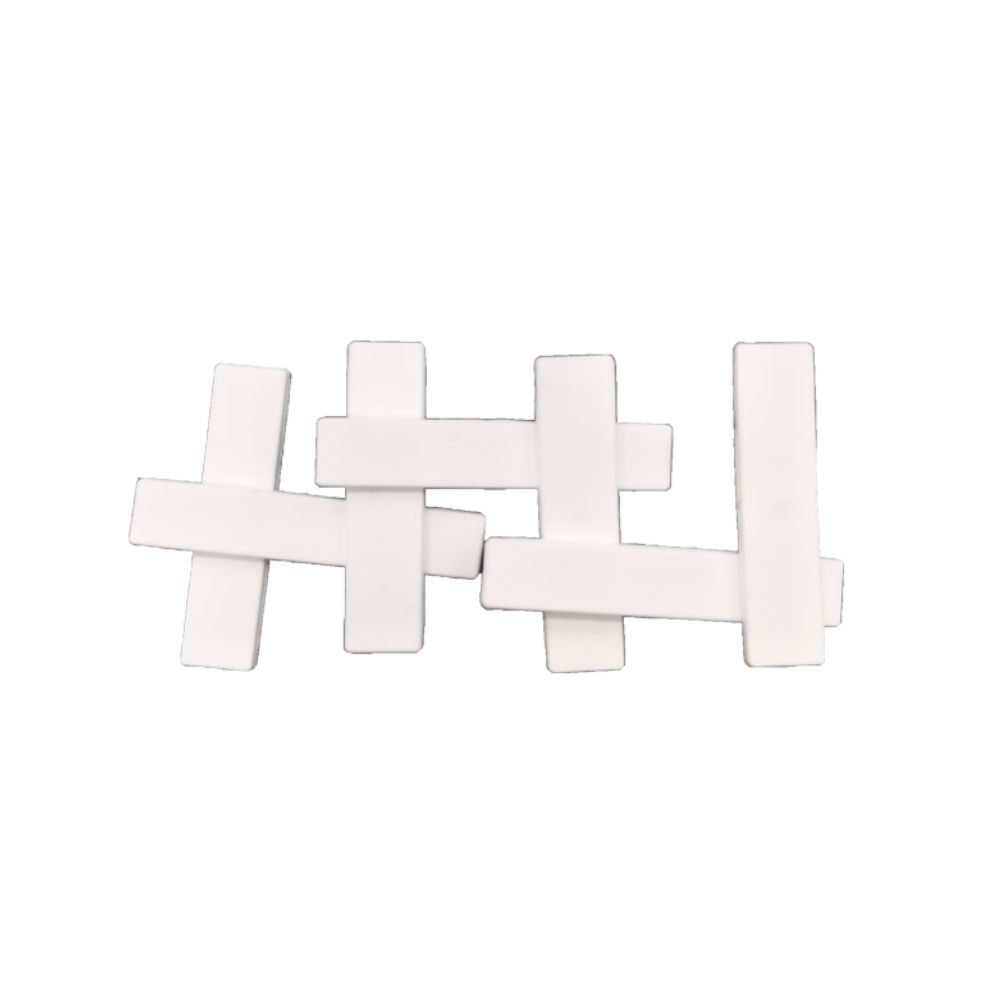
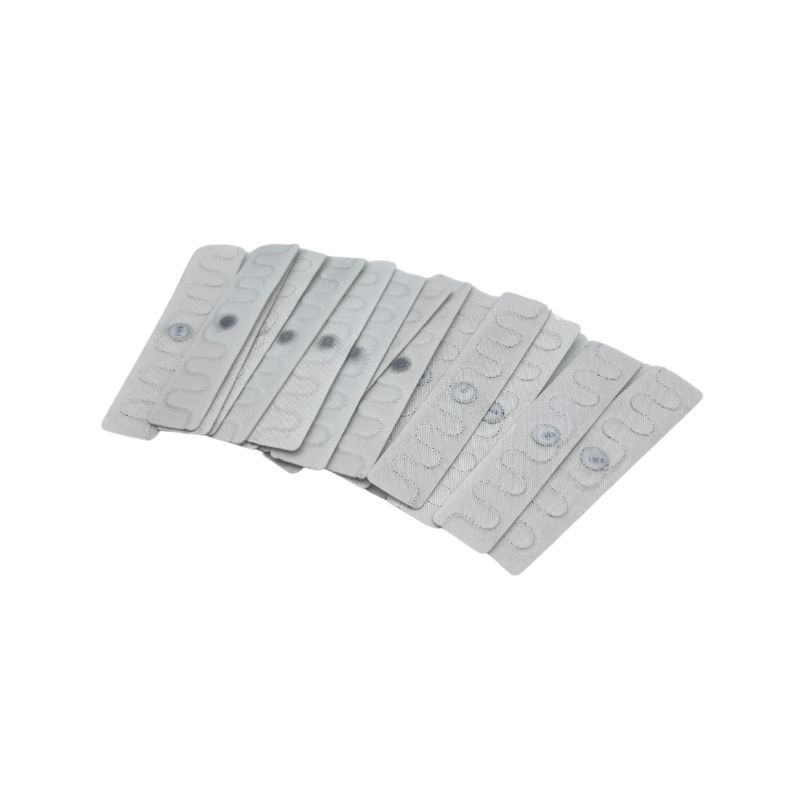
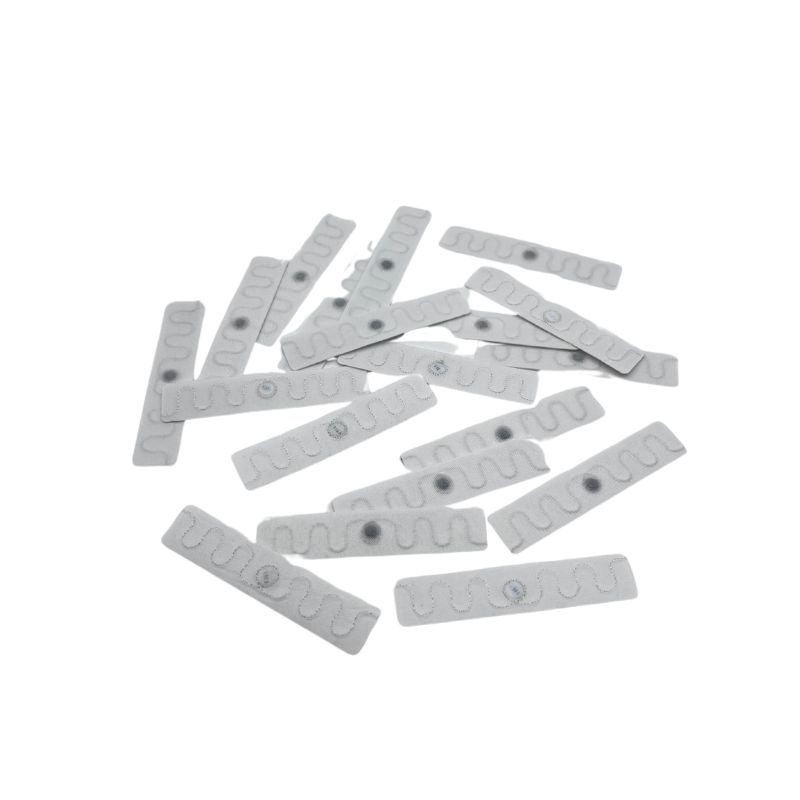
RFID Tags for Laundry with UHF Identification

UHF RFID Laundry Tags for Linen, Clothing, and Uniform Tracking

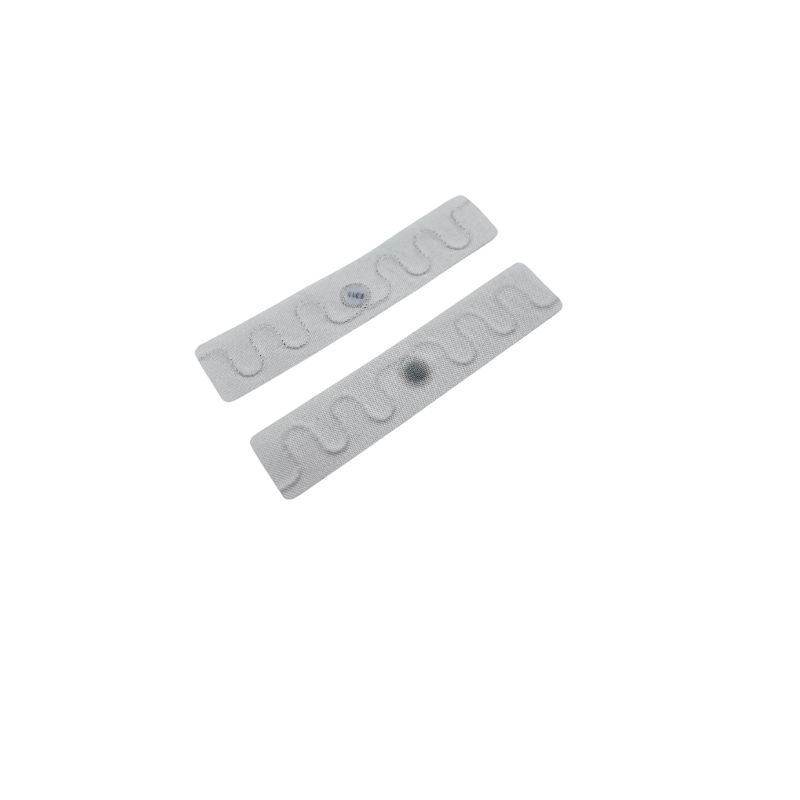
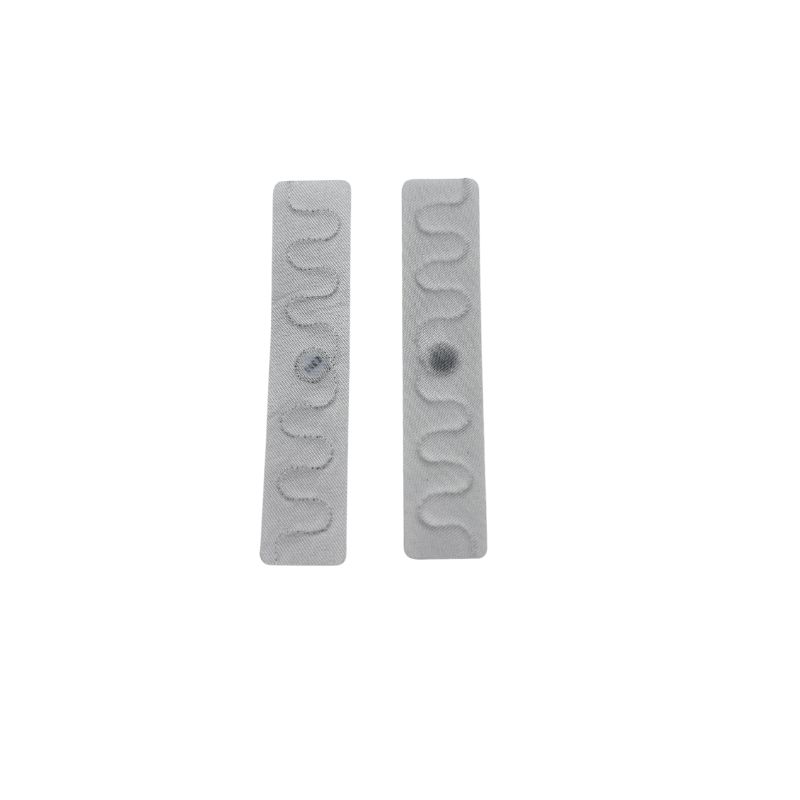
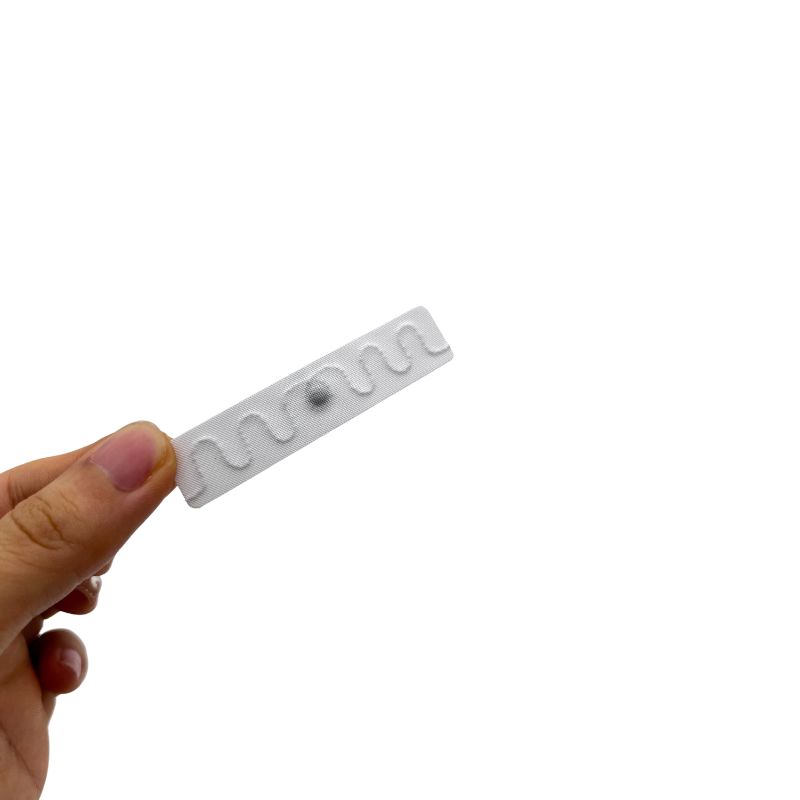
RFID tags for laundry are washable RFID tags used to identify linen, garments, towels, uniforms, and other reusable textile assets.

This product is a passive UHF RFID laundry tag for commercial laundry and textile management. It can be supplied with UCODE 8 or equivalent UHF chip options according to project requirements and chip availability.

Each tag carries a unique RFID code that can be linked to a laundry item, customer account, batch record, garment type, or linen inventory system.

Passive RFID laundry tags do not provide GPS tracking. They are detected when scanned by a compatible RFID reader at a laundry checkpoint, sorting table, tunnel reader, storage area, or dispatch point.

Key Features

  • Laundry-Resistant Tag Structure
    The tag is designed for textile identification in repeated laundry handling, including washing, drying, sorting, and return workflows.
  • Batch Reading at Laundry Checkpoints
    Compatible UHF readers can scan multiple tagged textiles in bags, stacks, carts, or conveyor workflows without reading each barcode one by one.
  • Flexible Installation Formats
    Different attachment formats are available depending on textile type, washing process, and installation method.
  • EPC Encoding for Item Records
    Each tag can be encoded with EPC data, serial number, garment ID, customer code, batch ID, or database-matched information.

Technical Specifications

FeatureSpecification
Product TypeUHF RFID laundry tag / RFID tags for laundry
RFID TypePassive UHF RFID
Frequency860–960 MHz
ProtocolEPC Gen2 / ISO 18000-6C / ISO 18000-63 compatible
Chip OptionUCODE 8, UCODE 8m, or equivalent UHF RFID IC by project requirement and availability
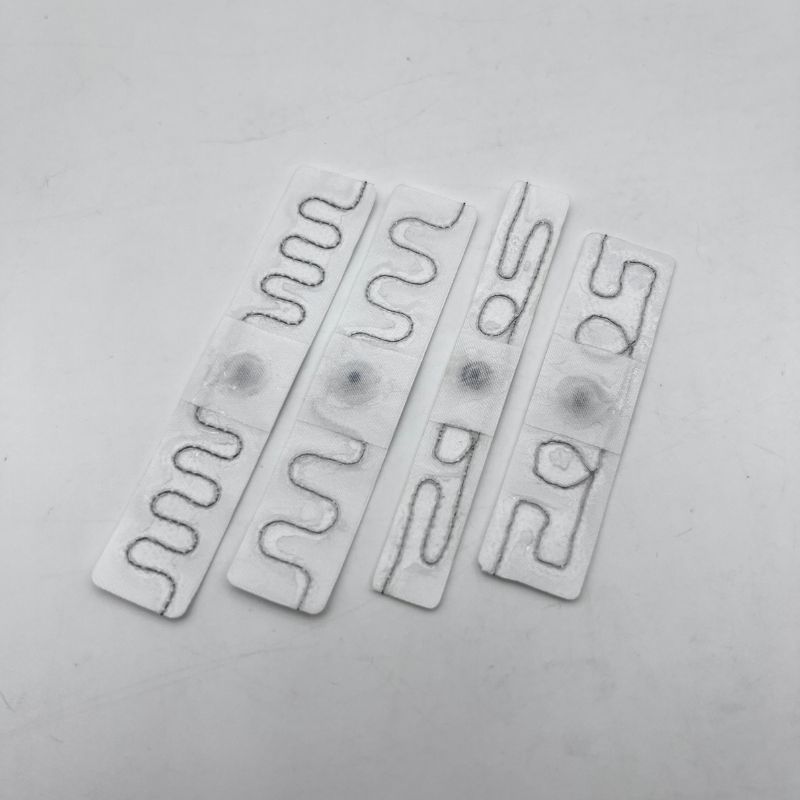
Tag FormatTextile laundry tag, sew-in tag, heat-seal tag, or project-specific washable structure
Material OptionsLaundry-resistant textile, encapsulated material, silicone, PPS, or custom structure by use case
Attachment MethodSewn into garment, sewn into label, inserted into pocket, or heat-sealed to textile surface
Read RangeProject-dependent; affected by reader, antenna, tag position, textile stack, moisture, and environment
Wash ResistanceDesigned for repeated laundry processing; cycle rating depends on selected tag structure and washing conditions
Data OptionsEPC code, serial number, linen ID, garment ID, batch number, customer ID, or database association
Reader OptionsHandheld UHF reader, fixed reader, tunnel reader, sorting station reader, or laundry checkpoint antenna
System MatchingLaundry management software, ERP, linen rental system, uniform tracking platform, or custom database

RFID laundry tag performance should be tested with the actual textile, installation position, reader setup, wash process, drying process, and sorting workflow before bulk production.

Typical Applications

  • Hotel Linen Tracking
    Used for sheets, towels, bathrobes, table linen, and other reusable hotel textile assets.
  • Hospital Linen and Scrub Management
    Used to identify scrubs, patient garments, blankets, sheets, and reusable medical textiles.
  • Uniform and Workwear Rental
    Used by rental companies to track uniforms, workwear, industrial garments, and staff-issued clothing.
  • Commercial Laundry Sorting
    Used at receiving, washing, drying, sorting, packing, and dispatch points to reduce manual counting.
  • Textile Inventory Control
    Used to match each garment or linen item with inventory records, customer accounts, service cycles, or replacement status.

UHF RFID Laundry Tag vs HF RFID Laundry Tag

Comparison PointUHF RFID Laundry TagHF RFID Laundry Tag
Frequency860–960 MHz13.56 MHz
Common UseBulk textile counting and laundry checkpointsClose-range item verification
Reading StyleLonger-range and multi-tag reading with suitable setupShort-range reading near the reader
Reader TypeUHF handheld, tunnel, fixed, or gate readerHF desktop or close-range reader
Project FitLaundry bags, carts, stacks, tunnels, and batch scanningSingle-item scanning or close-contact workflows

Choose UHF RFID tags for laundry when the project needs batch reading, cart scanning, tunnel reading, or faster textile counting.

Choose HF only when the installed system and reader workflow require close-range 13.56 MHz identification.

Sew-In vs Heat-Seal RFID Laundry Tags

Installation MethodSuitable ForNotes
Sew-In TagUniforms, garments, towels, flat linen, reusable textilesCommon choice when long-term attachment and fabric compatibility are important
Heat-Seal TagGarments, uniforms, rental textiles, selected linen itemsRequires suitable fabric, heat press settings, pressure control, and testing
Pocket InsertionGarments or textiles with a prepared tag pocketHelps reduce direct surface exposure during handling
Label IntegrationCare labels, brand labels, garment labelsUseful when the RFID tag should be hidden inside the normal label area

The installation method should be confirmed before production because tag position affects reading performance, comfort, durability, and wash-cycle results.

Hotel Linen Dispatch and Return Example

A hotel laundry project used RFID tags for laundry to manage reusable sheets, towels, bathrobes, and other linen items moving between hotel storage and the laundry service.

Before RFID tagging, staff counted linen manually during dispatch and return. This made it difficult to verify missing items, mixed batches, and delayed returns.

UHF RFID laundry tags were sewn into selected linen categories. Each tag ID was linked to the linen type, size, department, and inventory record in the laundry management system.

During dispatch, linen carts were scanned at the laundry checkpoint before leaving the hotel. When the linen returned, the same items were scanned again and compared with the expected return list.

This workflow helps compare issued and returned linen records without relying only on manual counting.

Need RFID Tags for Laundry Tracking?

Start with the textile type, washing conditions, reader setup, and required data format.

Our RFID specialist can help check whether a sew-in, heat-seal, textile, silicone, or PPS laundry tag structure is more suitable for the project.

Sample testing is recommended before bulk production to verify washing durability, tag readability, installation strength, and system compatibility.

Frequently Asked Question

What are RFID tags for laundry?

RFID tags for laundry are washable RFID tags used to identify linen, uniforms, garments, towels, and other reusable textiles during laundry processing.

Yes. RFID laundry tags are designed for laundry environments, but the actual wash-cycle rating depends on tag structure, installation method, washing temperature, chemicals, drying process, and mechanical pressure.

No. Passive RFID laundry tags are reader-based. They are detected when scanned by a handheld reader, tunnel reader, fixed reader, or laundry checkpoint.

Read performance depends on tag type, chip, antenna, reader power, textile material, tag position, moisture, stack density, reader antenna, and software settings.

Not always. UCODE 8 can be used when required and available, but equivalent UHF RFID IC options may also be suitable depending on reader compatibility, encoding format, and project requirements.

Get Your Custom RFID Tags

As a leading custom RFID tag manufacturer, we craft solutions based on the unique needs of your operation. We offer a wide range of customization options, including material, size, frequency, encoding, and read distance, ensuring each RFID Tag is perfectly customized to your requirements. No matter what application you use RFID tags for, we can provide rugged, reliable RFID tags that meet the highest quality and durability standards. Here are the main ways we customize RFID tags to fit your needs.

RFID Tags Material

Material Selection

Material is key for customizing RFID tags. Plastic works in harsh conditions, while softer materials suit delicate spaces. Different materials also affect signal performance. Pick what fits your use case to ensure your tags last and work reliably.

rfid tag size

Customized Size

Size shapes usability. Small tags fit tight spaces or tiny items, while larger tags are easily read. In crowded areas, sleek tags prevent clashes. Align shape and dimension with your goods for visibility, convenience, and performance.

RFID Tags Frequency

Frequency Requirements

Choose LF, HF, or UHF based on read range, speed, and interference. LF and HF resist metals and liquids but have shorter ranges. UHF offers an extended range yet may face signal blocks. Match frequency to your environment for reliable performance.

RFID TAGS Reading Distance

Reading Distance

Define the distance at which you have to read the tag. Short distances work for retail checkouts, while warehouses may need meters of coverage. Antenna design, reader settings, and power outputs affect range.Adjust these factors to capture data accurately at the distance you need.

Encoding

Encode

Plan how data is stored on each tag. Some only hold an ID, while others contain detailed info. Decide if you need a simple EPC or added user memory. Ensure your chosen format works with existing software. Proper encoding streamlines processes and slashes errors.

rfid tags application

Application Environment

Consider real-world conditions. Temperature swings, humidity, and chemicals can degrade tags. For outdoor use, opt for UV-resistant casings. In healthcare or food settings, ensure compliance with safety rules. Matching your tags to the environment maximizes their lifespan.

Scroll to Top

InQUIRY NOW

Fill out the form below, and we will be in touch in 20 minutes.

InQUIRY NOW

Fill out the form below, and we will be in touch in 20 minutes.