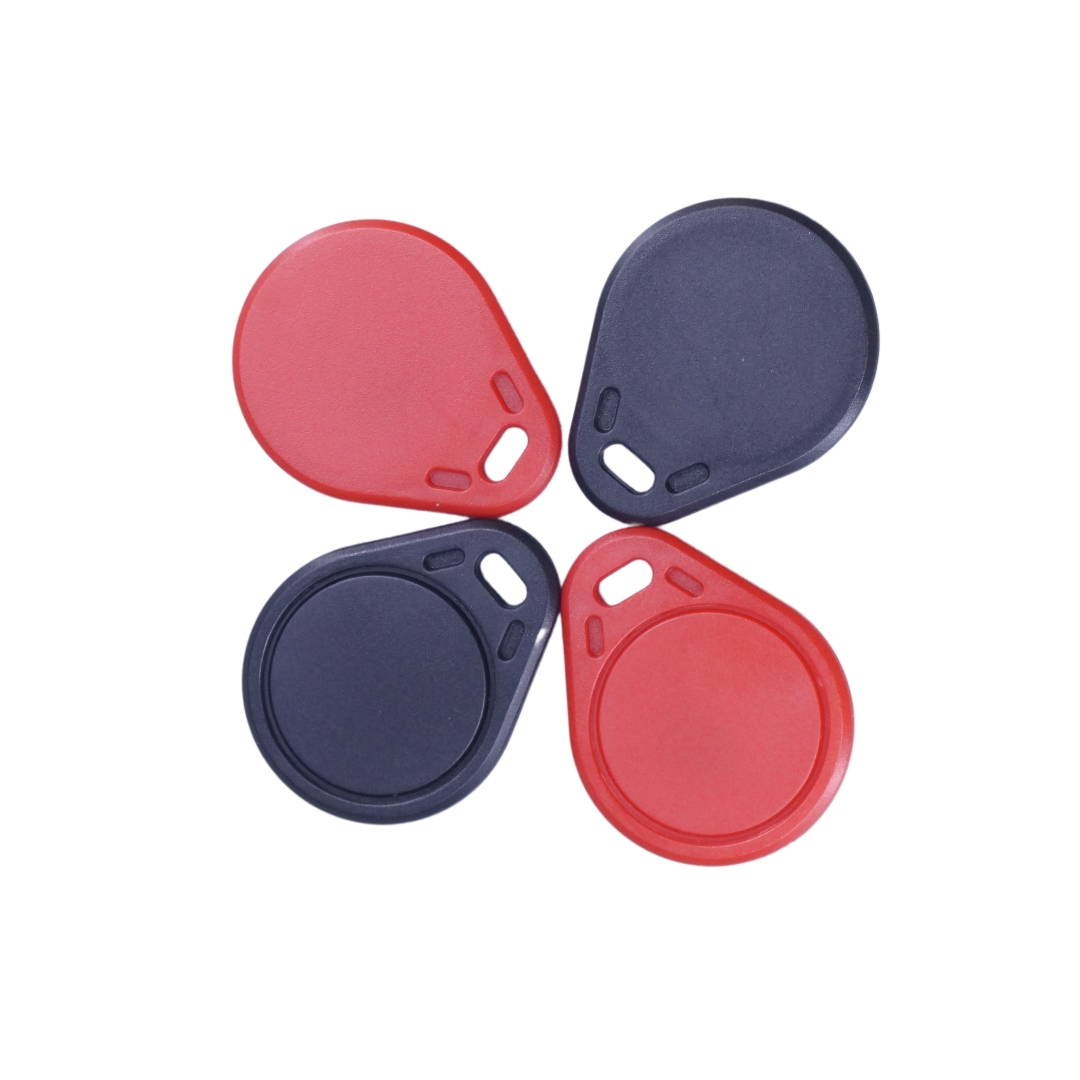
ISO18000-6C Passive RFID Tags for Books Management
UHF Library Book Tag for Book Identification
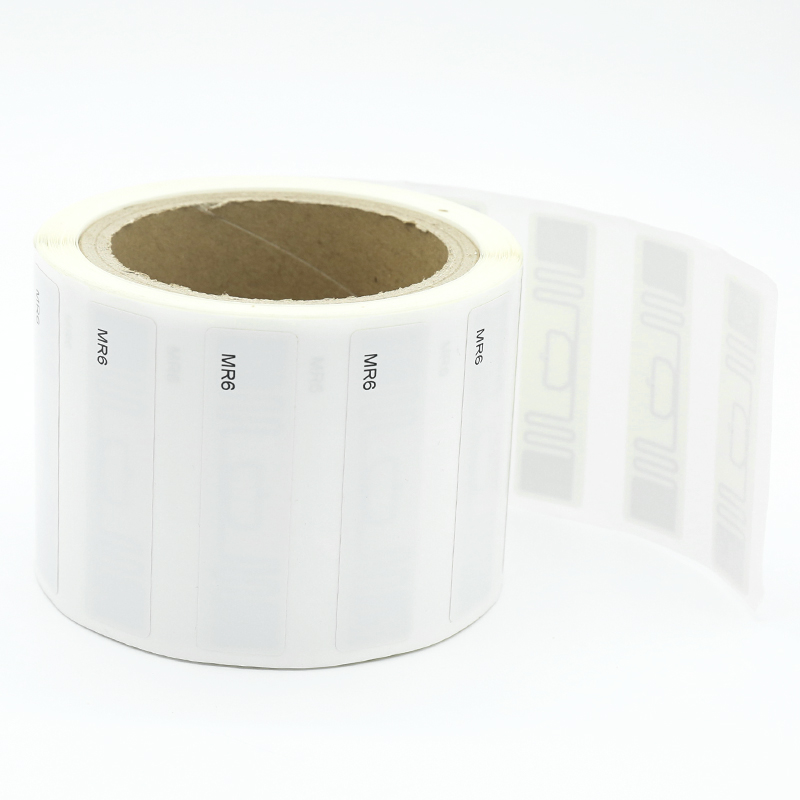
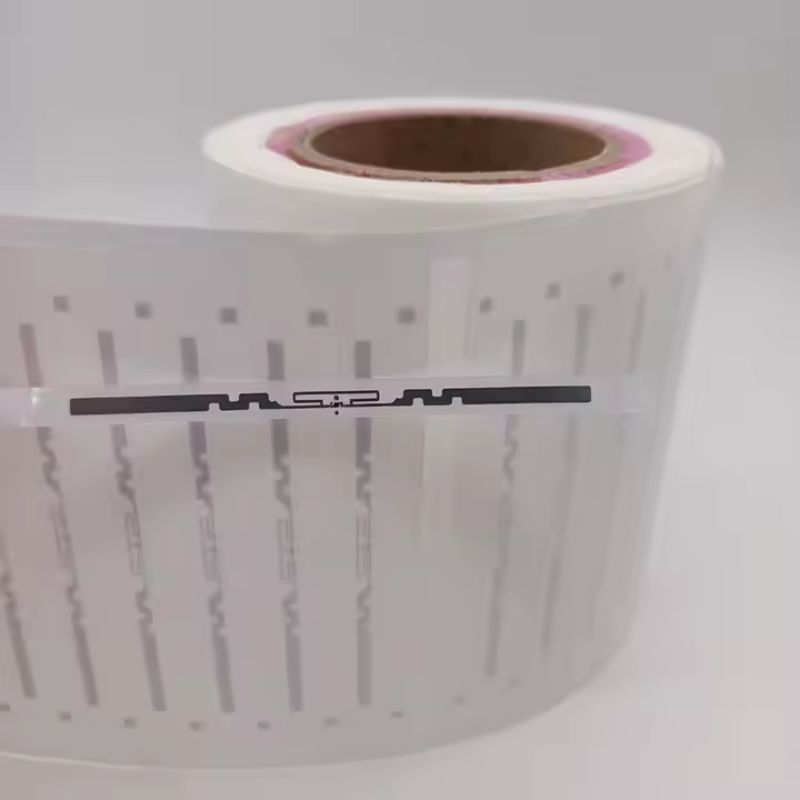
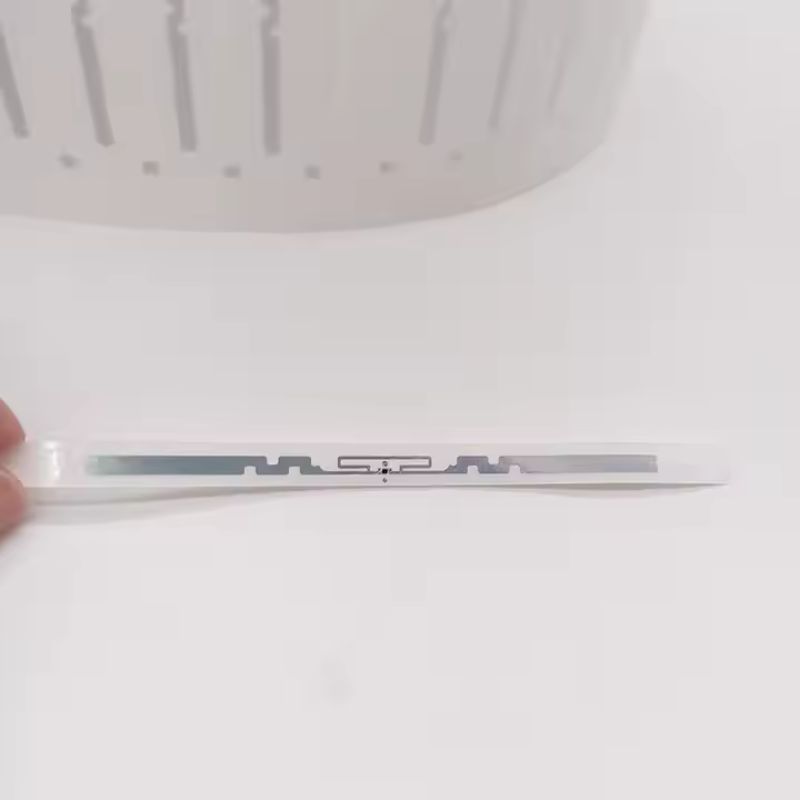
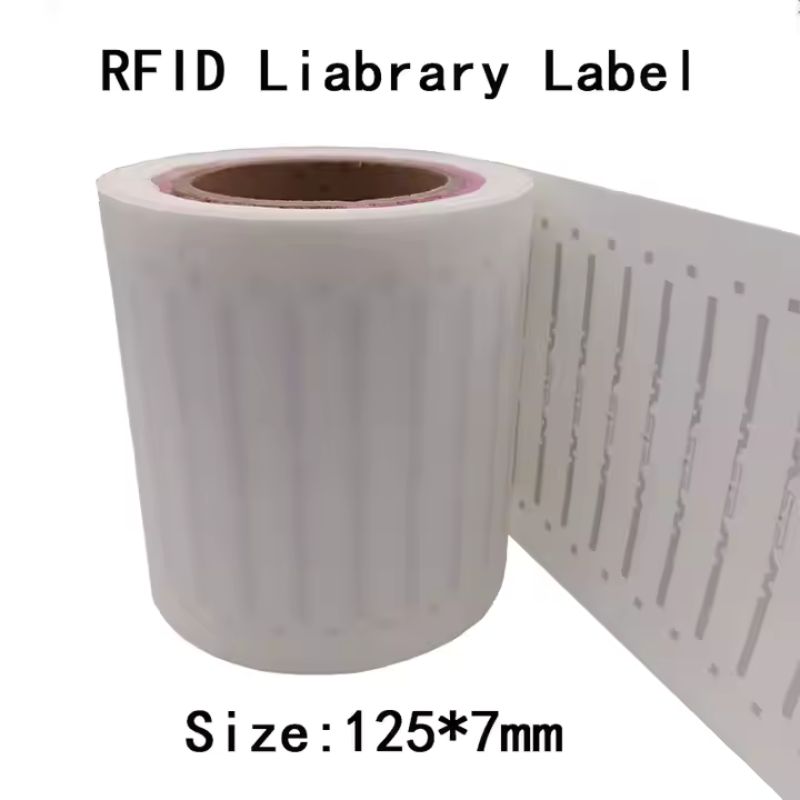
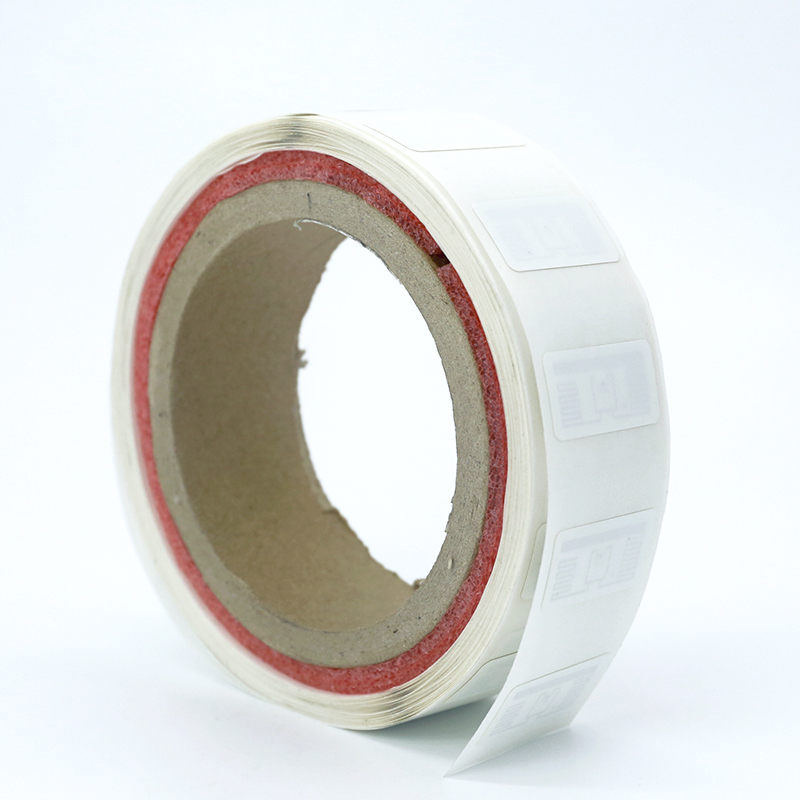
RFID tags for books are adhesive RFID labels attached to books, documents, files, or library materials so each item can be identified by a compatible RFID reader.
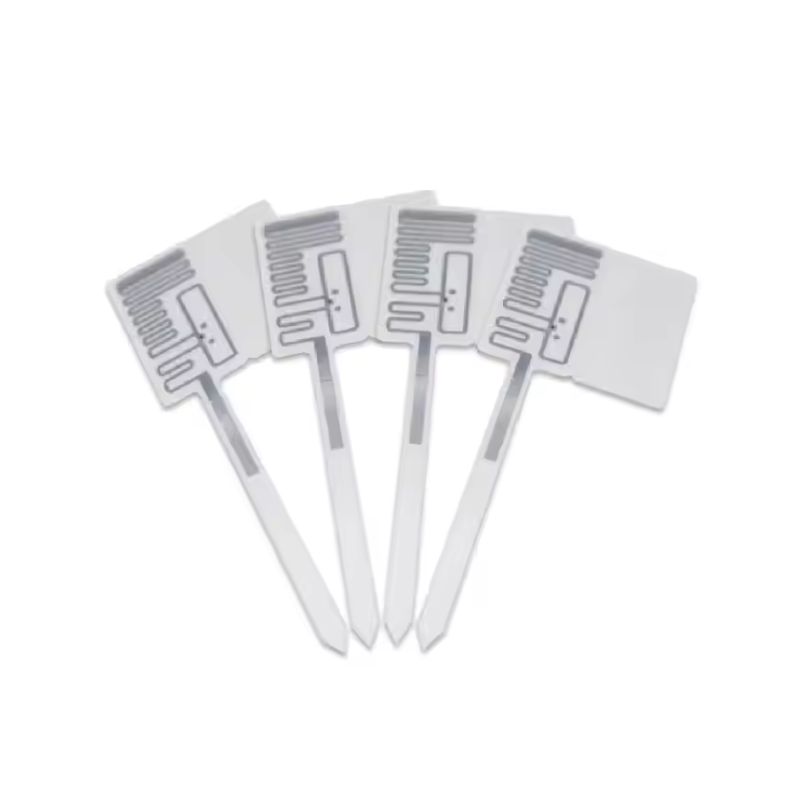
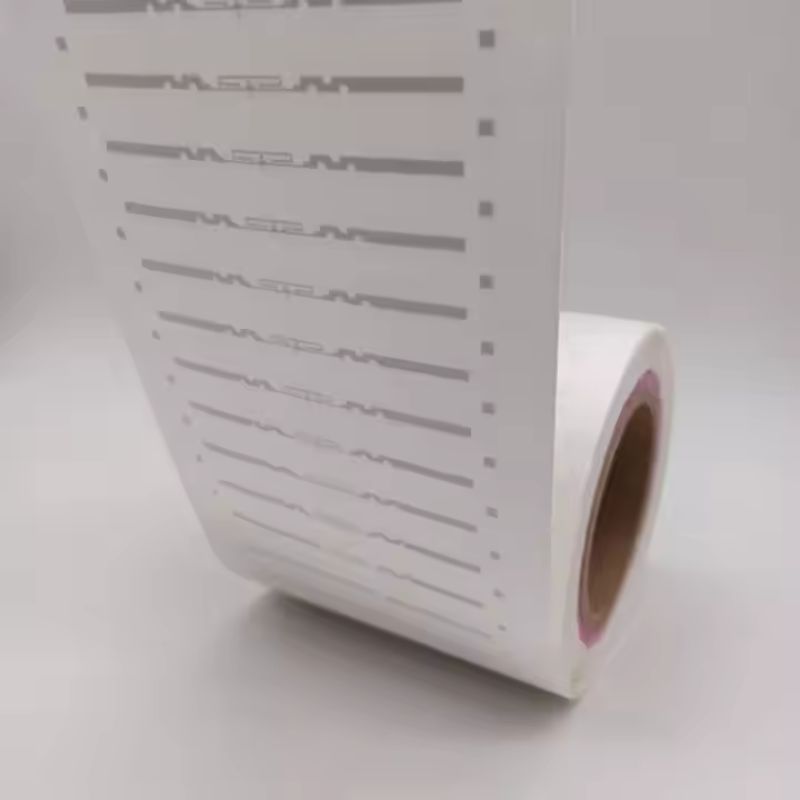
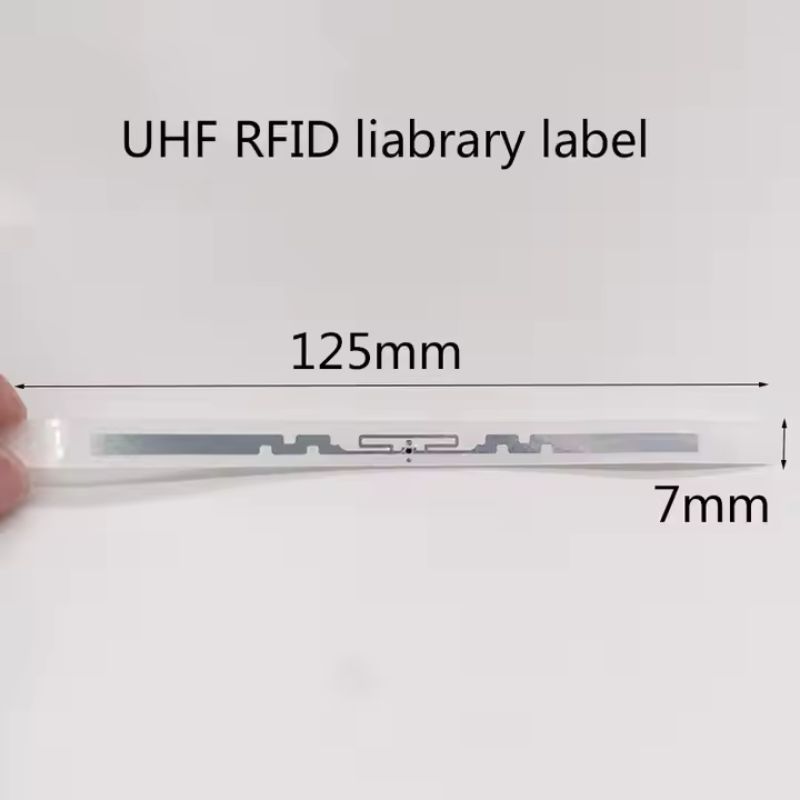
This product is a passive UHF RFID book label designed for item-level book identification, inventory checks, archive management, and collection verification.
A library book tag can be encoded with an EPC, serial number, accession number, barcode reference, or database-linked item ID. The final format should be confirmed according to the reader type, software system, shelf-scanning method, data structure, and book material.
Key Features of UHF RFID Tags for Books
- Passive UHF RFID Operation
The tag does not contain a battery. It is powered by the RF field from a compatible UHF RFID reader during scanning. - Adhesive Book Label Format
The label can be applied inside a book cover, on a document folder, or on a suitable flat surface after adhesion and read testing. - EPC-Based Book Identification
Each tag can be encoded with an EPC or item reference and linked to a book record, barcode number, accession number, or inventory database. - Batch Reading for Shelf Checks
Multiple tagged books can be scanned during inventory checks when the reader, antenna, tag position, and shelf layout are configured correctly. - Printable Label Surface
The visible label can include a logo, barcode, QR code, serial number, accession number, library code, or other project-specific information.
Technical Specifications
| Feature | Specification |
| Product Type | UHF RFID book tag / library book tag / RFID label for books |
| RFID Type | Passive UHF RFID |
| Frequency | UHF 860–960 MHz, depending on regional regulations |
| Protocol | EPC UHF Gen2 / ISO/IEC 18000-63 |
| Legacy Naming | ISO 18000-6C / EPC Class 1 Gen2 |
| Chip Options | Impinj Monza, NXP UCODE, Alien Higgs, or project-compatible UHF chips |
| Memory | Depends on selected chip; confirm EPC and user-memory requirements before production |
| Label Material | Paper, PET, PP, coated paper, or project-specific printable material |
| Antenna Substrate | PET or project-specific RFID inlay substrate |
| Adhesive | Pressure-sensitive adhesive selected according to book surface and use environment |
| Size Options | Standard or custom dimensions according to book size and reader requirement |
| Printing Options | Logo, barcode, QR code, serial number, accession number, library code, or custom artwork |
| Encoding Options | EPC writing, serial matching, barcode matching, accession number matching, TID matching, or database association |
| Read Range | Depends on tag size, chip, reader power, antenna, book material, shelf layout, and tag position |
| Application Surface | Book cover, inner cover, document folder, archive file, or tested library material |
| System Requirement | Compatible UHF RFID reader, software, and encoding format |
| Customization | Size, chip, material, adhesive, printing, encoding, roll format, and packaging |
Sample testing is recommended before bulk production because book material, label position, shelf spacing, reader setup, and software encoding format can affect reading performance.
Typical Applications
- Library Book Inventory
UHF RFID tags can help libraries identify books during stock checks, shelf audits, and collection verification. - Archive and Document Management
RFID labels can be used on archive folders, records, files, and document boxes that require item-level identification. - School and University Libraries
Libraries can apply RFID tags to textbooks, reference books, journals, and teaching materials for collection management. - Bookstore and Publishing Inventory
Publishers, bookstores, and distributors can use UHF RFID book labels for item counting, warehouse checks, and shipment verification. - Shelf and Collection Audits
Staff can scan tagged books with handheld or fixed UHF readers to compare scanned item IDs with expected database records.
Application Case: Library Shelf Inventory Audit
A library wants to reduce the time required for manual shelf checking and improve the accuracy of book inventory records.
Each book receives a UHF RFID book tag encoded with a unique item identifier. The encoded ID is linked to the library catalog record, barcode number, accession number, or internal inventory database.
During a shelf audit, staff scan books by shelf, section, or collection area with a compatible RFID reader.The software compares scanned tag IDs with expected records and helps identify missing, misplaced, duplicated, or unregistered books.
Before rollout, the library should test tag placement, book cover material, shelf density, reader model, antenna setup, and software data matching rules.
How RFID Tag on Books Supports Inventory Checks
The rfid tag on books is attached to the selected book position and encoded with a unique item identifier.
The encoded ID is linked to the library catalog, archive database, bookstore inventory system, or warehouse record.
During an inventory check, staff scan shelves, cartons, or collection areas with a compatible UHF RFID reader.
The software compares scanned tag IDs with expected records and can help identify missing, extra, misplaced, or unregistered items.
Need UHF RFID Tags for Books or Library Inventory?
Use UHF RFID book tags when your library, archive, bookstore, or warehouse needs item-level book identification with compatible RFID readers.
Send the book size, label position, reader model, software requirement, encoding format, printing design, and target quantity. JIA RFID can recommend a suitable library book tag and prepare samples for adhesion, encoding, shelf scanning, and inventory testing.
Frequently Asked Question
Can UHF RFID tags be used on different book sizes?
Yes. The label size and antenna design should be selected according to the book size, placement position, and required reading performance.
Can the tag store the book title or ISBN?
The tag usually stores an identifier such as an EPC, serial number, accession number, or database reference. Book title, ISBN, circulation status, and location data are normally managed in the software system.
Where should the RFID tag be placed on a book?
Tag placement should be selected according to book size, cover material, reader type, and shelf layout. Sample testing is recommended before setting final placement rules.
Do RFID tags for books provide real-time book location?
No. Passive RFID book tags identify books when scanned by compatible readers. Location visibility depends on reader placement, scan zones, and software configuration.
What information should be confirmed before ordering?
Confirm the reader model, software requirement, encoding format, label size, tag placement, book material, printing requirement, and order quantity.
Get Your Custom RFID Tags
As a leading custom RFID tag manufacturer, we craft solutions based on the unique needs of your operation. We offer a wide range of customization options, including material, size, frequency, encoding, and read distance, ensuring each RFID Tag is perfectly customized to your requirements. No matter what application you use RFID tags for, we can provide rugged, reliable RFID tags that meet the highest quality and durability standards. Here are the main ways we customize RFID tags to fit your needs.

Material Selection
Material is key for customizing RFID tags. Plastic works in harsh conditions, while softer materials suit delicate spaces. Different materials also affect signal performance. Pick what fits your use case to ensure your tags last and work reliably.

Customized Size
Size shapes usability. Small tags fit tight spaces or tiny items, while larger tags are easily read. In crowded areas, sleek tags prevent clashes. Align shape and dimension with your goods for visibility, convenience, and performance.

Frequency Requirements
Choose LF, HF, or UHF based on read range, speed, and interference. LF and HF resist metals and liquids but have shorter ranges. UHF offers an extended range yet may face signal blocks. Match frequency to your environment for reliable performance.

Reading Distance
Define the distance at which you have to read the tag. Short distances work for retail checkouts, while warehouses may need meters of coverage. Antenna design, reader settings, and power outputs affect range.Adjust these factors to capture data accurately at the distance you need.

Encode
Plan how data is stored on each tag. Some only hold an ID, while others contain detailed info. Decide if you need a simple EPC or added user memory. Ensure your chosen format works with existing software. Proper encoding streamlines processes and slashes errors.

Application Environment
Consider real-world conditions. Temperature swings, humidity, and chemicals can degrade tags. For outdoor use, opt for UV-resistant casings. In healthcare or food settings, ensure compliance with safety rules. Matching your tags to the environment maximizes their lifespan.
Related Products
Customize any RFID tags from our factory to meet your requirements.