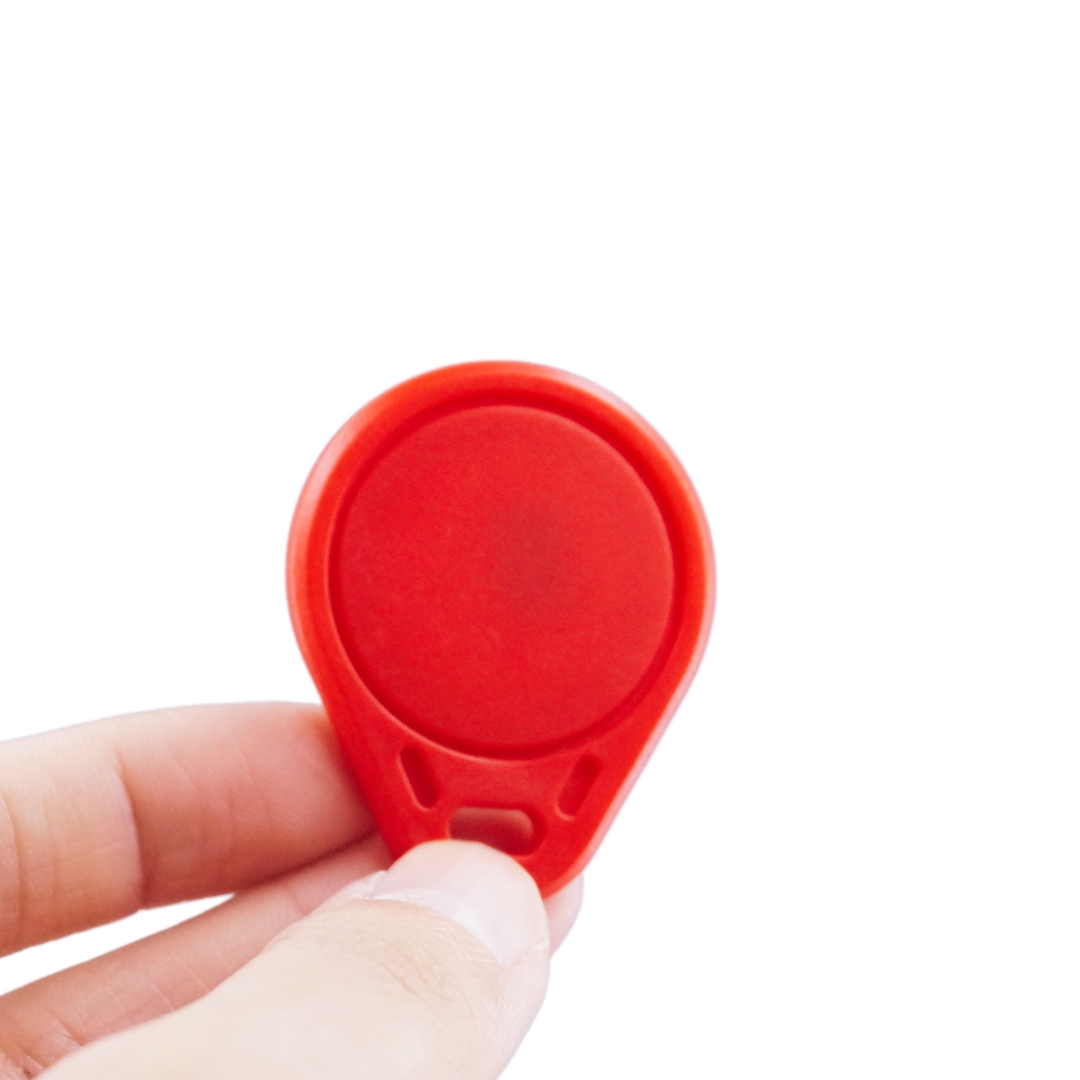
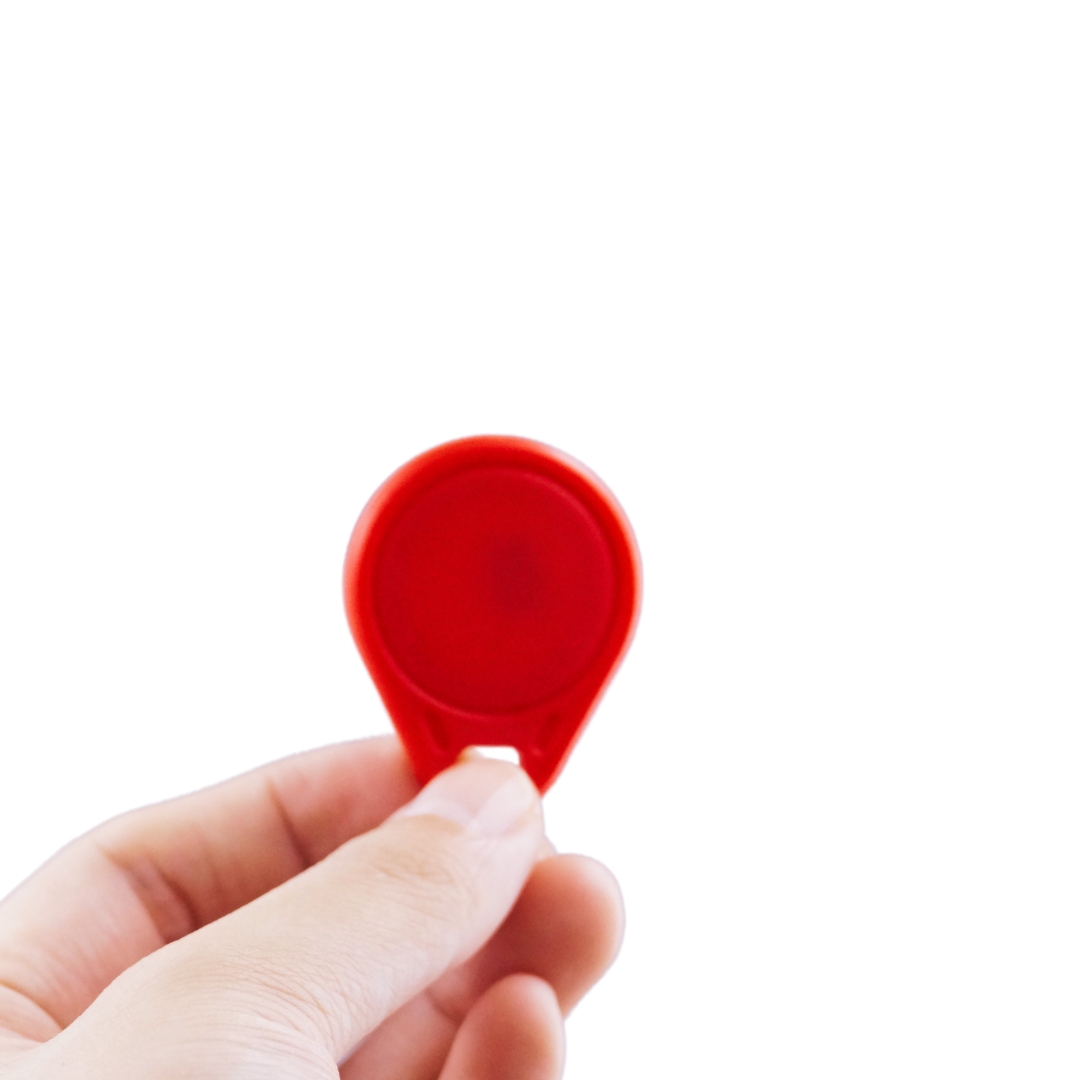
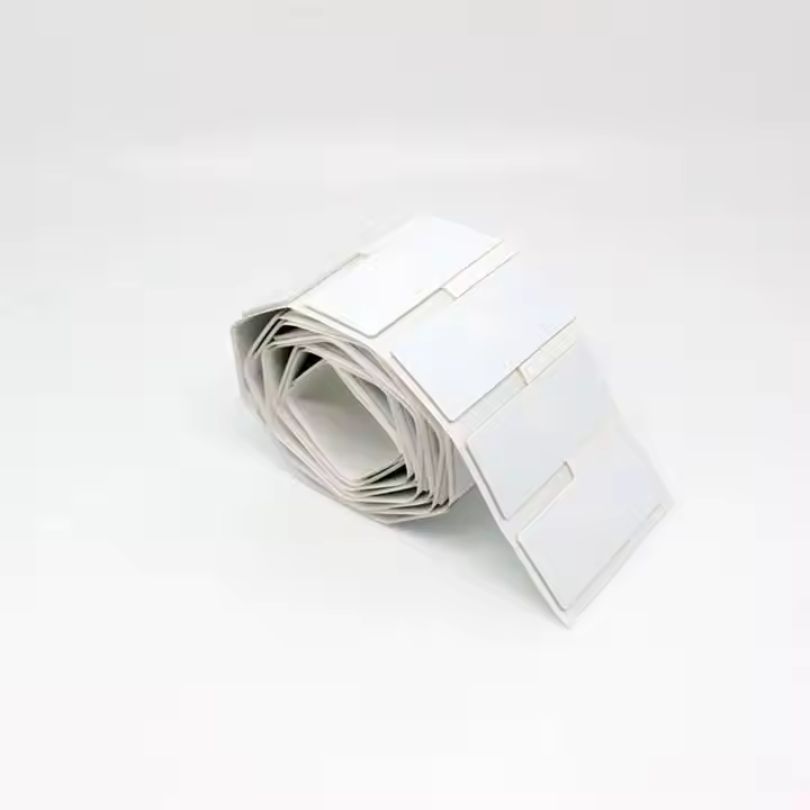
RFID Key Tag for 125kHz Access Systems

ABS RFID Keychain Tag for Proximity ID Use

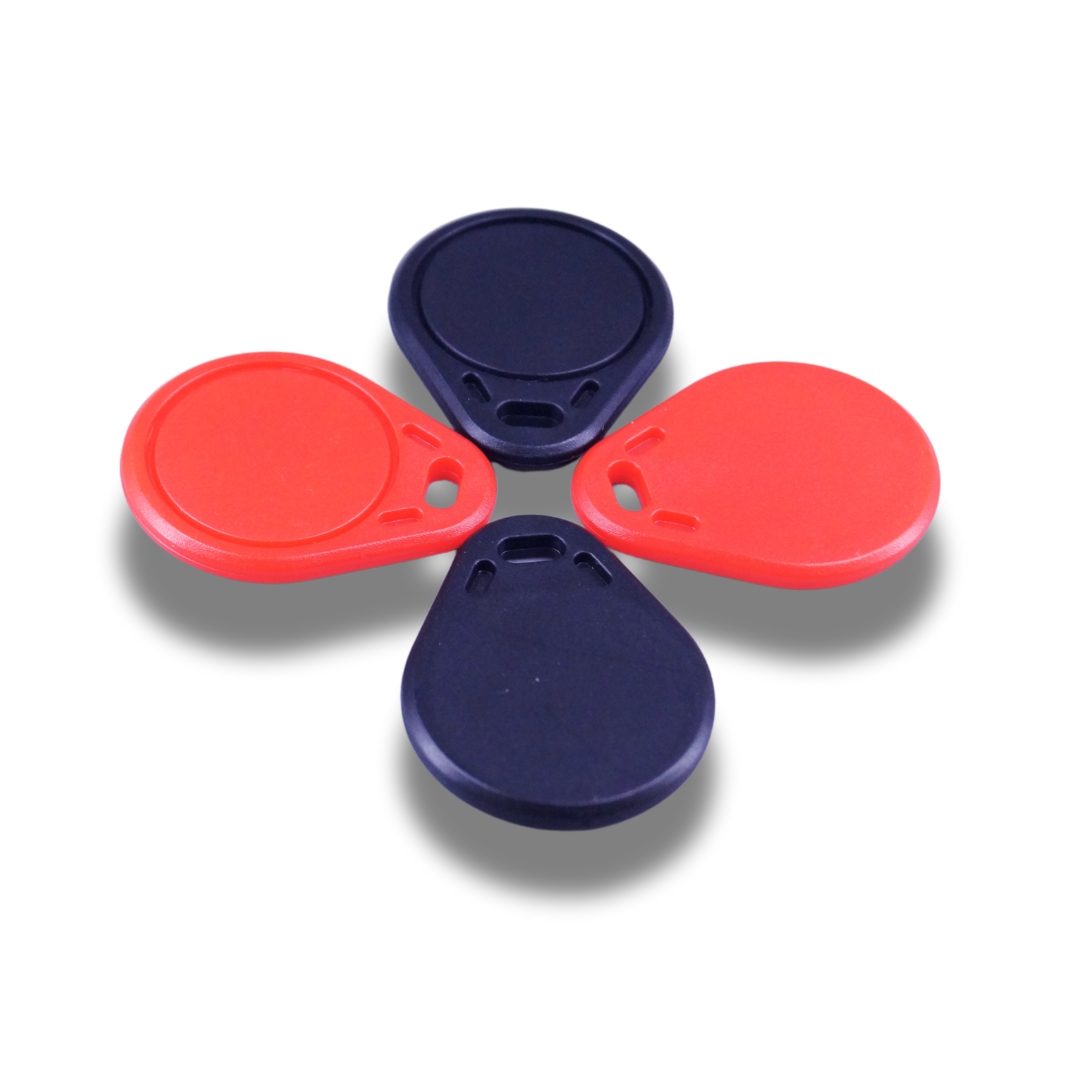
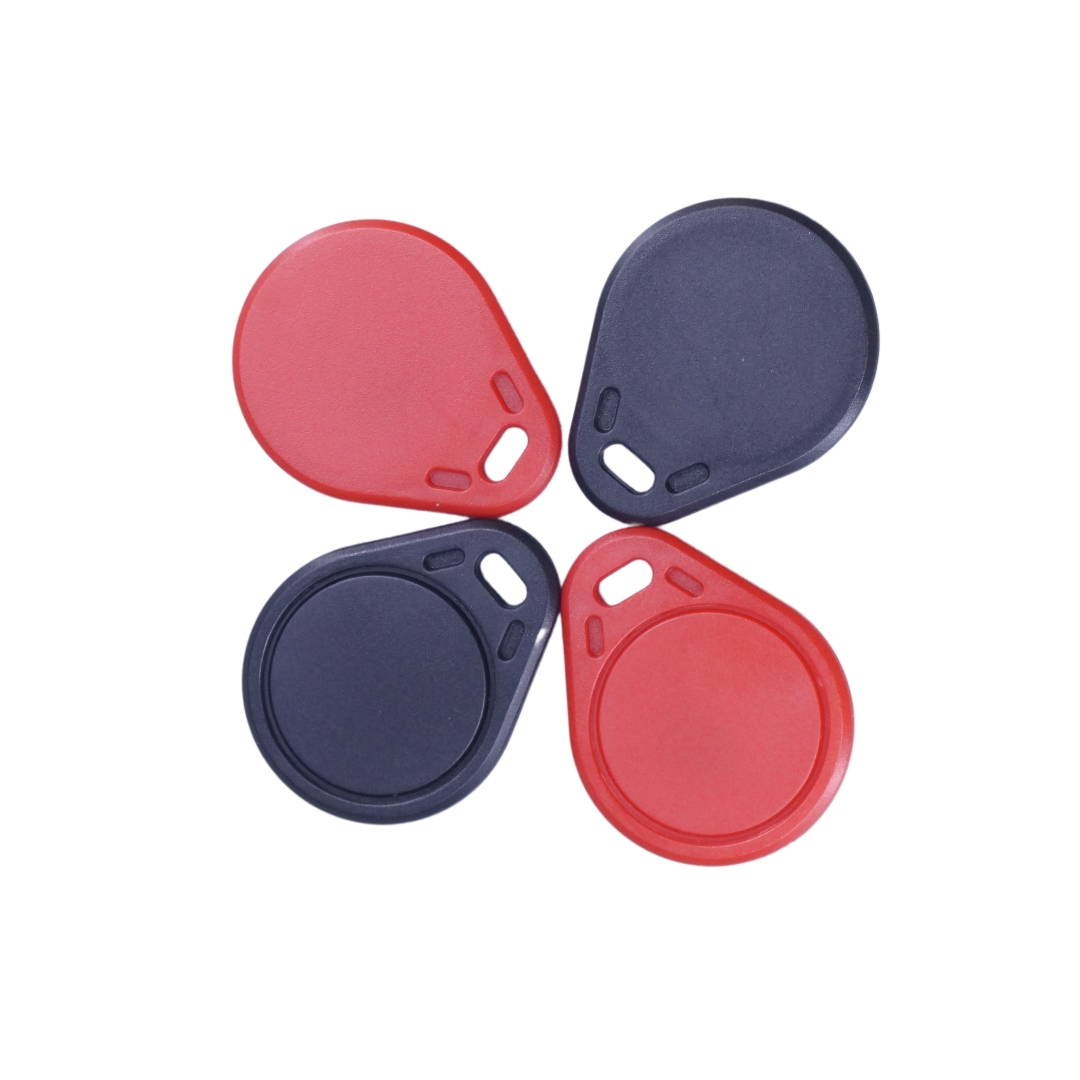
An RFID key tag is a compact contactless credential used with compatible RFID readers for access control, membership identification, locker access, and user verification.

This product is an ABS keychain-style RFID tag for 125 kHz proximity systems. It is suitable when users need a portable key fob instead of a standard card.

The correct tag depends on the installed reader and required chip format.

Key Features

  • Compact Keychain Credential
    The key tag can be attached to keys, lanyards, bags, or user badge sets for daily access use.
  • Close-Range Proximity Identification
    The tag works with compatible 125 kHz LF readers for close-range user identification.
  • ABS Housing for Daily Handling
    The ABS shell protects the internal RFID chip during routine use in offices, gyms, apartments, hotels, and locker systems.
  • Custom Visible Identification
    The outer surface can support logo printing, serial number, laser ID, barcode, QR code, or color selection for user management.

Technical Specifications

FeatureSpecification
Product TypeRFID key tag / 125 kHz RFID key fob proximity ID tag
Form FactorABS keychain tag / key fob / ring tag
RFID TypePassive LF RFID
Frequency125 kHz
Common Read-Only Chip OptionsTK4100, EM4200, EM4100-compatible options
Writable Chip OptionT5577 / ATA5577-type chip, when programming is required
Reading MethodClose-range scan by compatible 125 kHz RFID reader
Read RangeTypically up to 10 cm, depending on reader, chip, antenna, and installation environment
MaterialABS housing; PVC or epoxy options by project requirement
Color OptionsBlue, black, red, yellow, white, green, or custom color
Printing OptionsLogo, serial number, laser marking, barcode, QR code, or custom text
Encoding OptionsFixed ID matching, UID/code matching, T5577 programming, or database association
Compatibility NoteNot automatically compatible with NFC, MIFARE, 13.56 MHz HF, or UHF RFID systems

RFID key tag compatibility should be tested with the actual reader, software format, and required code structure before bulk production.

Typical Applications

  • Building Access Control
    Used for office doors, apartment entrances, residential gates, and staff access points.
  • Gym and Club Membership
    Used as a portable member credential for reception check-in, entry control, or locker access.
  • Hotel and Resort Access
    Used for room access, staff areas, pool areas, lockers, or shared facilities when the installed system supports 125 kHz RFID.
  • Time Attendance Systems
    Used by employees, contractors, or service teams for close-range attendance verification.
  • Parking and Gate Entry
    Used as a keychain credential for residential parking, gated communities, and controlled vehicle access points.

Which RFID Key Tag Chip Should You Choose?

Chip OptionData TypeSuitable UseCompatibility Note
TK4100Read-only fixed IDBasic 125 kHz access control and replacement credentialsID cannot normally be rewritten
EM4200Read-only fixed IDEM-compatible LF reader systemsReader output format should match the software
EM4100-compatibleRead-only fixed IDLegacy proximity access systemsConfirm data format before production
T5577Writable or configurableProjects requiring programmed or cloned-format 125 kHz credentialsRequires compatible reader, writer, and data format

Choose TK4100, EM4200, or EM4100-compatible options when the system only needs a fixed proximity ID.

Choose T5577 when the project requires a writable 125 kHz key tag and the reader/writer system supports the required format.


125kHz RFID Key Tag vs 13.56MHz RFID Key Fob

Comparison Point125kHz RFID Key Tag13.56MHz RFID Key Fob
Frequency125 kHz LF13.56 MHz HF/NFC
Common ChipsTK4100, EM4200, T5577MIFARE, NTAG, DESFire, or other HF chips
Smartphone NFC UseNot supportedPossible with compatible NFC chips
Typical Reader125 kHz proximity readerHF/NFC reader

The external key fob shape can look similar, but the internal chip and reader compatibility are different.

Confirm the installed reader frequency before ordering RFID key tags.

Need RFID Key Tags for an Existing Access System?

Send one working card or key fob, the reader model, or the required data format before production.

Our RFID specialist can help check chip compatibility, programming requirements, printing method, color selection, and whether a read-only or writable 125 kHz RFID key tag is more suitable.

Sample testing is recommended when replacing existing access cards, gym tags, hotel fobs, locker credentials, or parking keychains.

FAQ

What is an RFID key tag?

An RFID key tag is a small keychain-style RFID credential used to identify a user or item with a compatible RFID reader.

It is a passive LF RFID key fob used with 125 kHz proximity readers for close-range access control or identification.

Only writable chip options such as T5577 can be programmed with compatible equipment. TK4100 and EM4200 options are normally used as read-only credentials.

Yes, but only if the frequency, chip type, data format, and reader output match your existing access system.

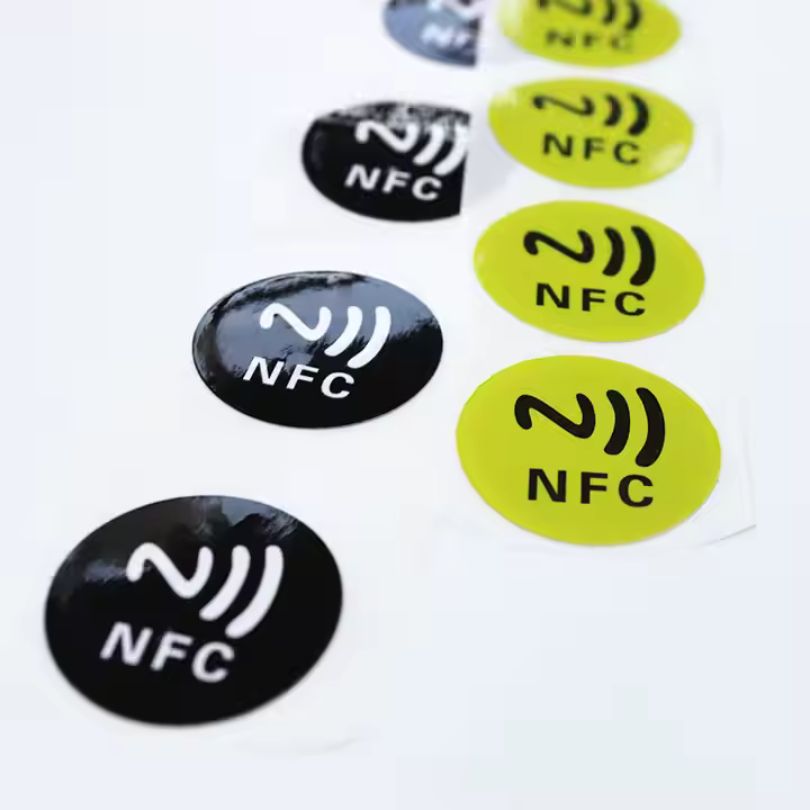
No. A 125 kHz RFID key tag is not NFC. NFC operates at 13.56 MHz and requires compatible HF/NFC chips and readers.

Reading performance depends on chip type, reader model, antenna design, tag position, scan distance, surrounding materials, and software response time.

Get Your Custom RFID Tags

As a leading custom RFID tag manufacturer, we craft solutions based on the unique needs of your operation. We offer a wide range of customization options, including material, size, frequency, encoding, and read distance, ensuring each RFID Tag is perfectly customized to your requirements. No matter what application you use RFID tags for, we can provide rugged, reliable RFID tags that meet the highest quality and durability standards. Here are the main ways we customize RFID tags to fit your needs.

RFID Tags Material

Material Selection

Material is key for customizing RFID tags. Plastic works in harsh conditions, while softer materials suit delicate spaces. Different materials also affect signal performance. Pick what fits your use case to ensure your tags last and work reliably.

rfid tag size

Customized Size

Size shapes usability. Small tags fit tight spaces or tiny items, while larger tags are easily read. In crowded areas, sleek tags prevent clashes. Align shape and dimension with your goods for visibility, convenience, and performance.

RFID Tags Frequency

Frequency Requirements

Choose LF, HF, or UHF based on read range, speed, and interference. LF and HF resist metals and liquids but have shorter ranges. UHF offers an extended range yet may face signal blocks. Match frequency to your environment for reliable performance.

RFID TAGS Reading Distance

Reading Distance

Define the distance at which you have to read the tag. Short distances work for retail checkouts, while warehouses may need meters of coverage. Antenna design, reader settings, and power outputs affect range.Adjust these factors to capture data accurately at the distance you need.

Encoding

Encode

Plan how data is stored on each tag. Some only hold an ID, while others contain detailed info. Decide if you need a simple EPC or added user memory. Ensure your chosen format works with existing software. Proper encoding streamlines processes and slashes errors.

rfid tags application

Application Environment

Consider real-world conditions. Temperature swings, humidity, and chemicals can degrade tags. For outdoor use, opt for UV-resistant casings. In healthcare or food settings, ensure compliance with safety rules. Matching your tags to the environment maximizes their lifespan.
Scroll to Top

InQUIRY NOW

Fill out the form below, and we will be in touch in 20 minutes.

InQUIRY NOW

Fill out the form below, and we will be in touch in 20 minutes.