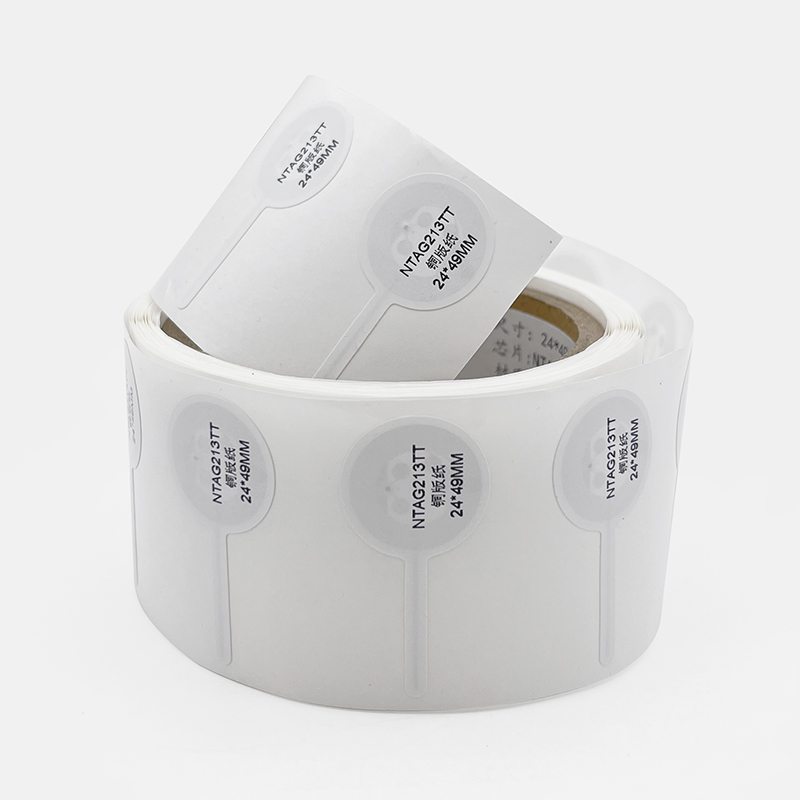
Smart RFID Chips in Tires for Lifecycle Management & Tracking
Introduction about RFID Chips in Tires
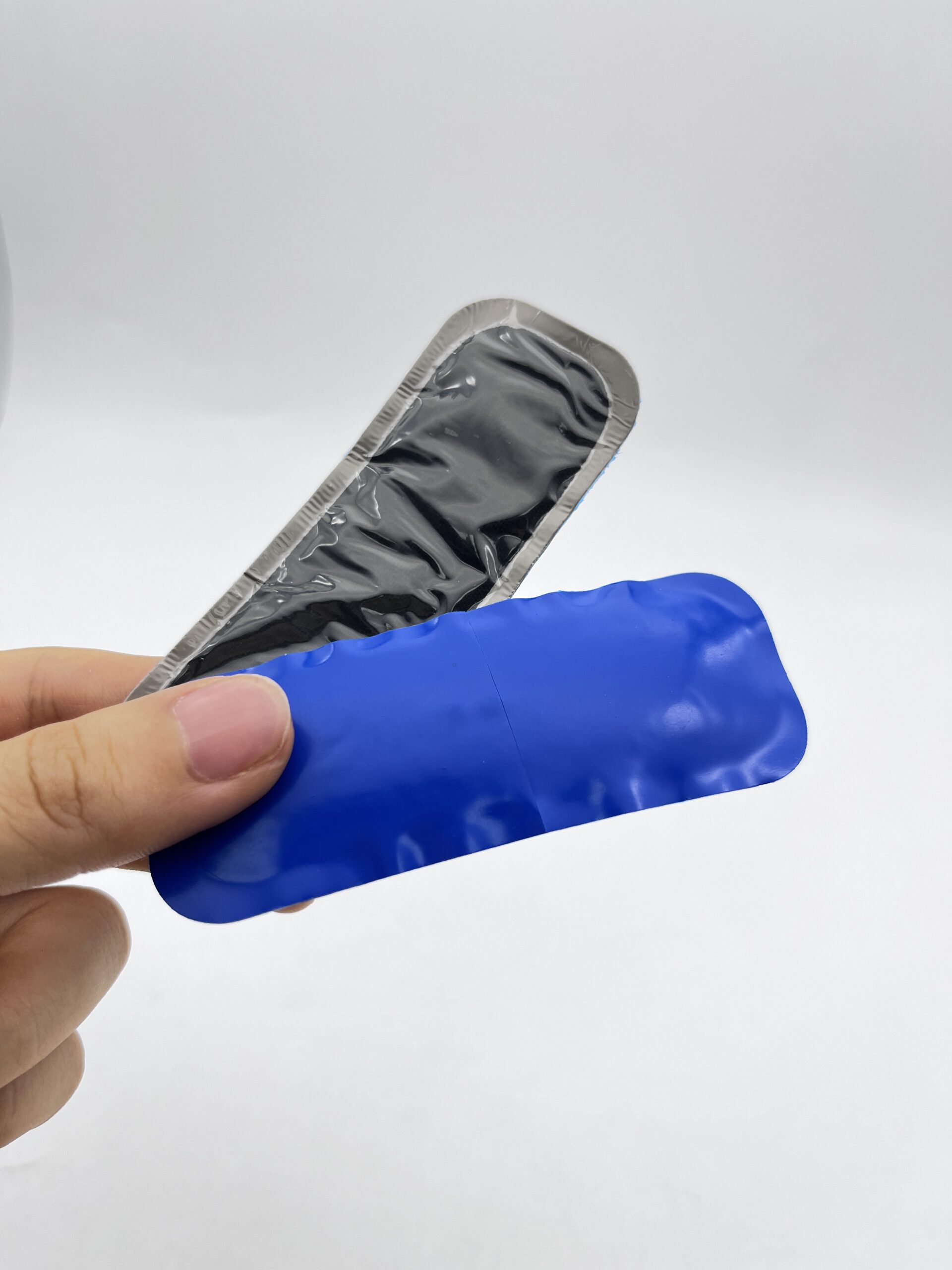
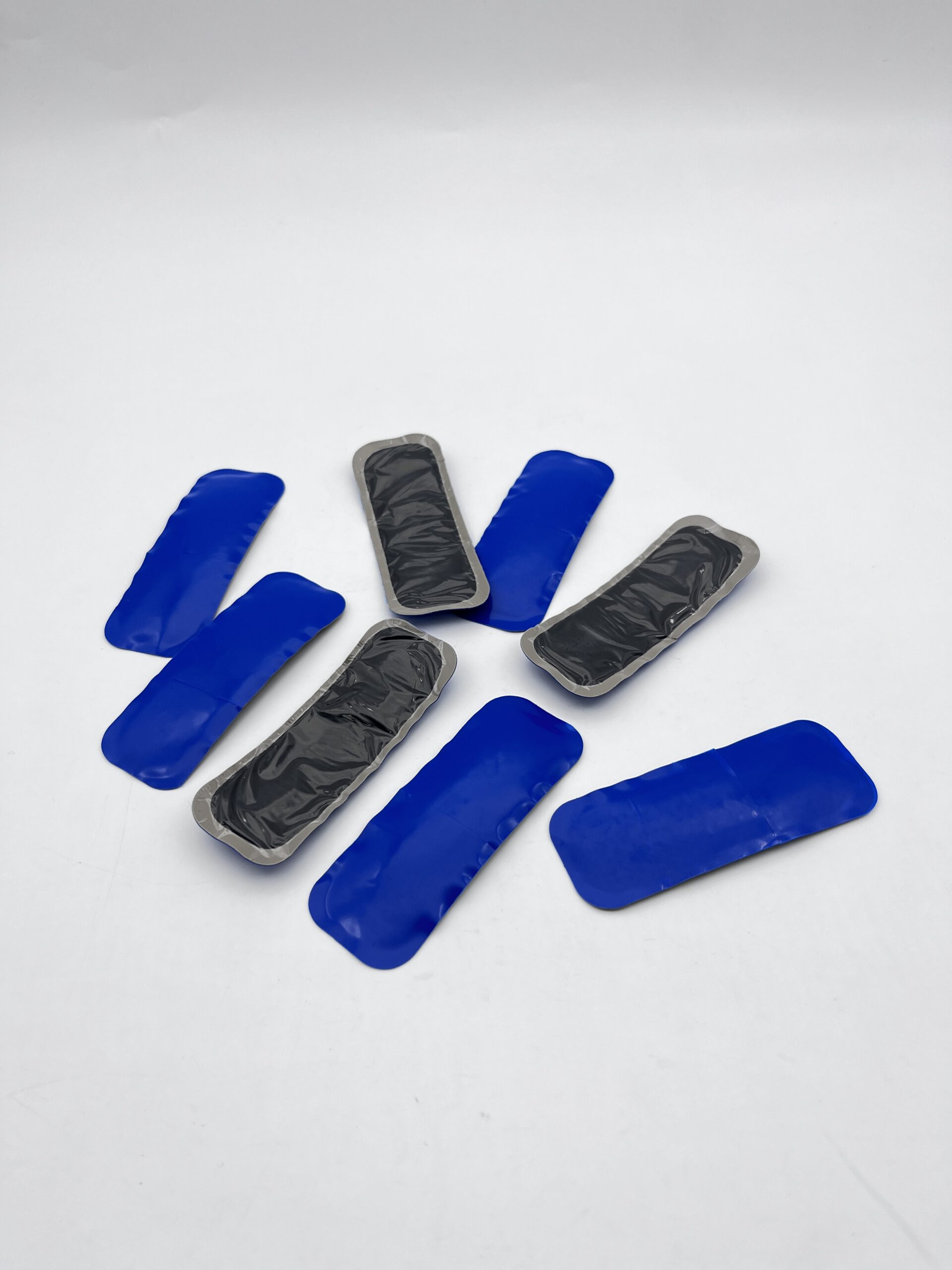
Upgrade your tire tracking system with our cutting-edge RFID chips in tires, designed to withstand extreme conditions and deliver real-time performance data. These RFID tire tags are built for durability, precision, and seamless integration into your tire management workflows. Whether you’re managing a commercial fleet, conducting tire retreading, or enhancing factory automation, our RFID chip in tires solution is the intelligent choice.
Key Features of Our RFID Tire Tag:
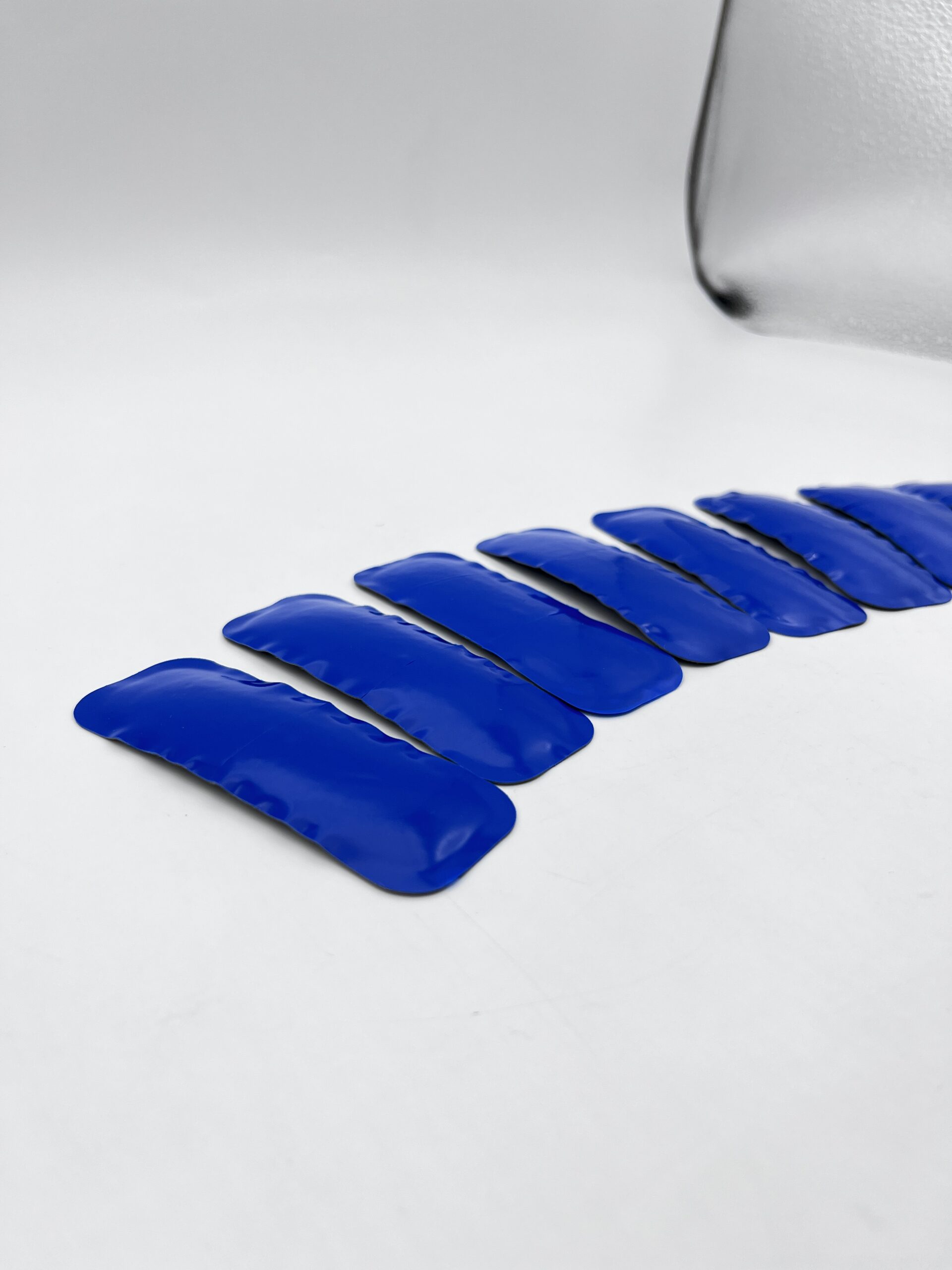
- Flexible structure to withstand tire deformation for the full life cycle
- Embedded RFID chip in tires resists high heat: -30℃ to +95℃
- Long read range: 1–6 meters, depending on the reader and antenna
- Memory options: 96-bit, 128-bit user memory
- Factory-programmed unique ID to prevent cloning
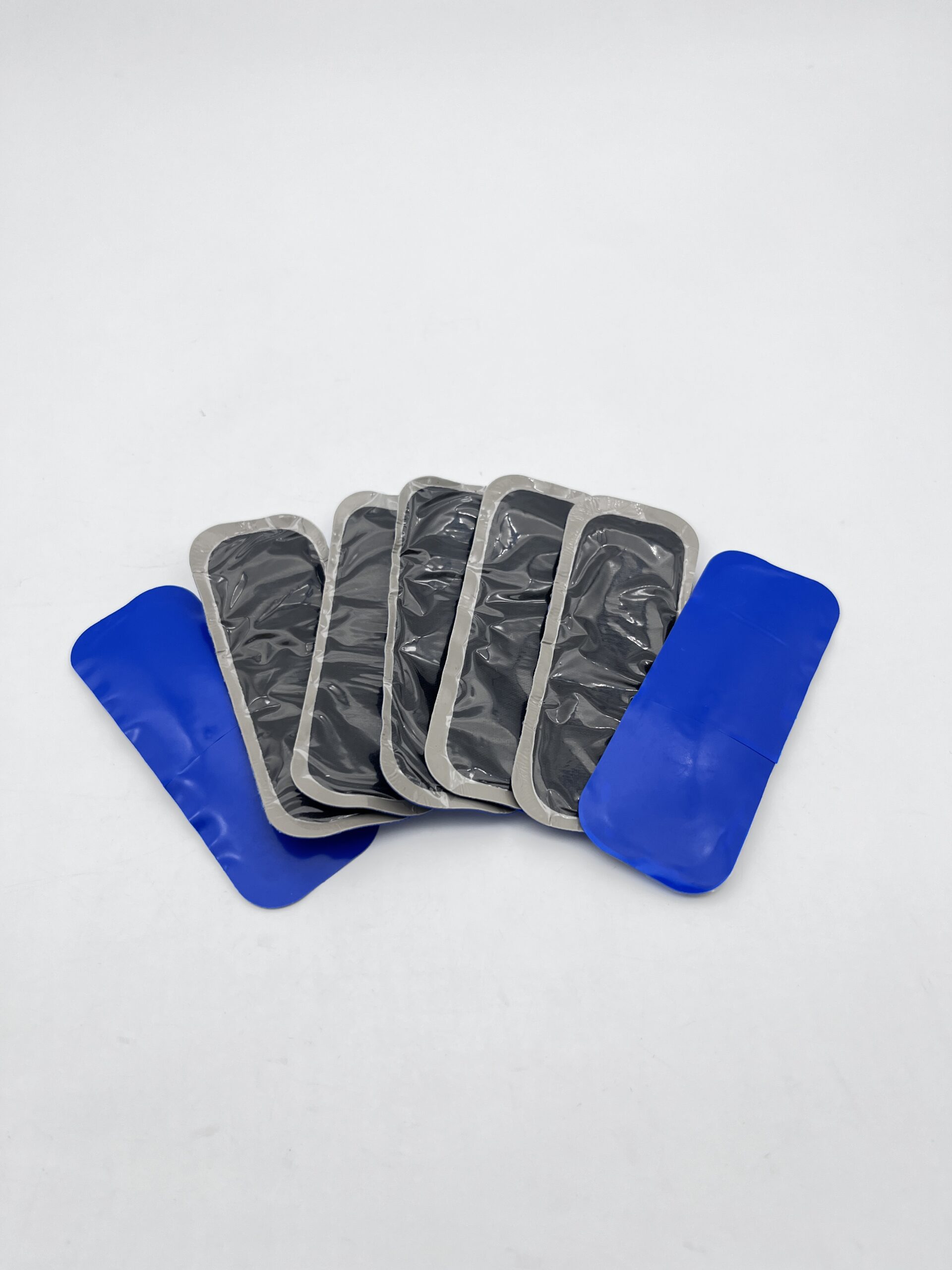
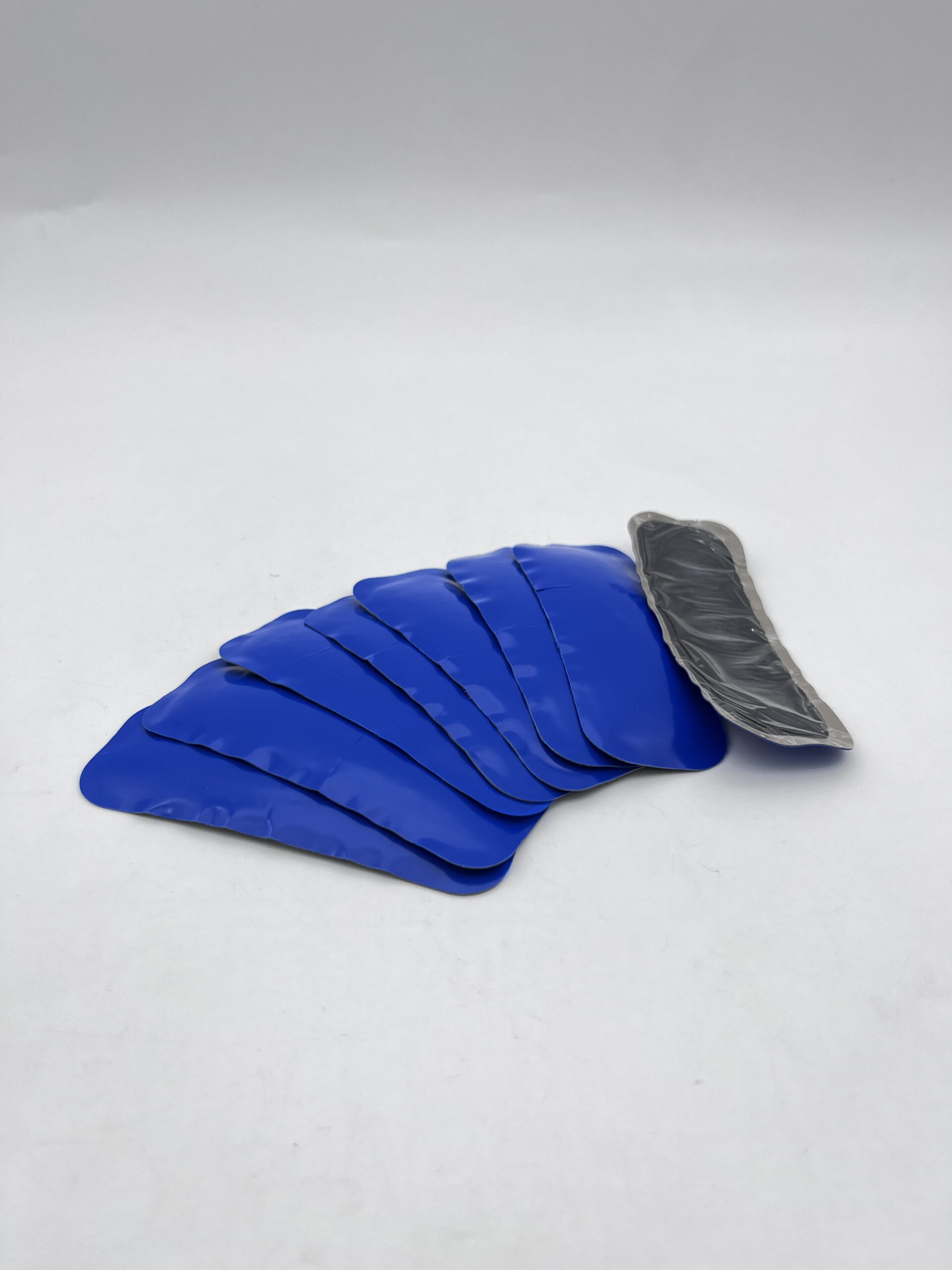
- Rubber-based substrate for superior adhesion and durability
- Customizable colors (Black, Blue, or as requested)
RFID Chips in Tires Technical Specifications
| Specification | Detail |
|---|---|
| Chip | UHF: Monza R6P, AlienH3, Monza4QT |
| Antenna | Aluminum ETCH (AL10μm) |
| Size | 95mm × 35mm × 3mm |
| Frequency | 860–960 MHz |
| Substrate | Rubber |
| Memory | 128bit, 96bit, etc. |
| Write Endurance | ≥100,000 cycles |
| Read Range | UHF: 0–5 meters |
| Temperature Resistance | -40°C to +230°C |
Real Case Study for RFID Chips in Tires:
A logistics fleet in Germany deployed our RFID chips in tires across 500 heavy-duty trucks. Over 12 months, they experienced:
- 30% fewer tire-related incidents.
- 40% improvement in tire rotation efficiency.
- 100% traceability of tire inventory and retreads.
This success underscores the durability and performance of our RFID chip in tires, even under high mileage and extreme conditions.
Applications
- Tire manufacturing & OEMs
- Fleet & logistics operations
- Public transport and commercial vehicles
- Tire leasing and retreading centers
- Smart tire inventory & lifecycle tracking systems
Our RFID tire tag technology supports digital transformation in tire asset management by embedding intelligence directly into the tire.
Why Choose Us?
- Over 10 years in RFID manufacturing.
- Competitive Pricing: Get industry-grade tech without overpaying.
- Global client base across transport, logistics, and automotive sectors.
- Fully customizable RFID tire tag design and encoding services.
Ready to revolutionize your tire tracking?
Contact us today to request a quote or sample of our RFID chips in tires.
FAQ
Can these RFID chips be embedded inside tires?
Yes. Our RFID chip in tires is designed to be embedded inside or attached outside the tire.
Will the chip affect tire performance or safety?
No. The chip is flexible and road-tested with zero impact on tire safety or performance.
What’s the average read range?
The RFID tire tag can be read from up to 5 meters, depending on the reader and antenna setup.
Is data stored in the chip secure?
Yes. Each tag has a factory-set unique ID to prevent unauthorized duplication.
Are the tags customizable?
Absolutely. We offer color customization and chip configuration to meet your specific needs.
Get Your Custom RFID Tags
As a leading custom RFID tag manufacturer, we craft solutions based on the unique needs of your operation. We offer a wide range of customization options, including material, size, frequency, encoding, and read distance, ensuring each RFID Tag is perfectly customized to your requirements. No matter what application you use RFID tags for, we can provide rugged, reliable RFID tags that meet the highest quality and durability standards. Here are the main ways we customize RFID tags to fit your needs.

Material Selection
Material is key for customizing RFID tags. Plastic works in harsh conditions, while softer materials suit delicate spaces. Different materials also affect signal performance. Pick what fits your use case to ensure your tags last and work reliably.

Customized Size
Size shapes usability. Small tags fit tight spaces or tiny items, while larger tags are easily read. In crowded areas, sleek tags prevent clashes. Align shape and dimension with your goods for visibility, convenience, and performance.

Frequency Requirements
Choose LF, HF, or UHF based on read range, speed, and interference. LF and HF resist metals and liquids but have shorter ranges. UHF offers an extended range yet may face signal blocks. Match frequency to your environment for reliable performance.

Reading Distance
Define the distance at which you have to read the tag. Short distances work for retail checkouts, while warehouses may need meters of coverage. Antenna design, reader settings, and power outputs affect range.Adjust these factors to capture data accurately at the distance you need.

Encode
Plan how data is stored on each tag. Some only hold an ID, while others contain detailed info. Decide if you need a simple EPC or added user memory. Ensure your chosen format works with existing software. Proper encoding streamlines processes and slashes errors.

Application Environment
Consider real-world conditions. Temperature swings, humidity, and chemicals can degrade tags. For outdoor use, opt for UV-resistant casings. In healthcare or food settings, ensure compliance with safety rules. Matching your tags to the environment maximizes their lifespan.
Related Products
Customize any RFID tags from our factory to meet your requirements.